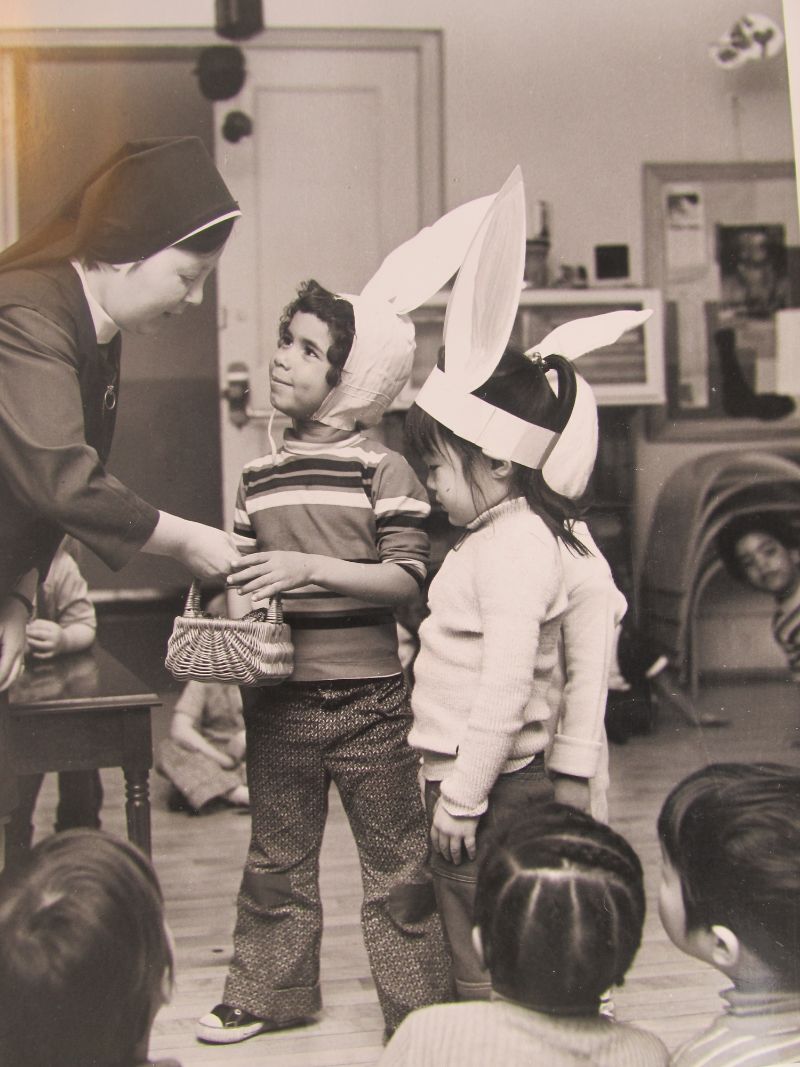
First Convent in Toronto
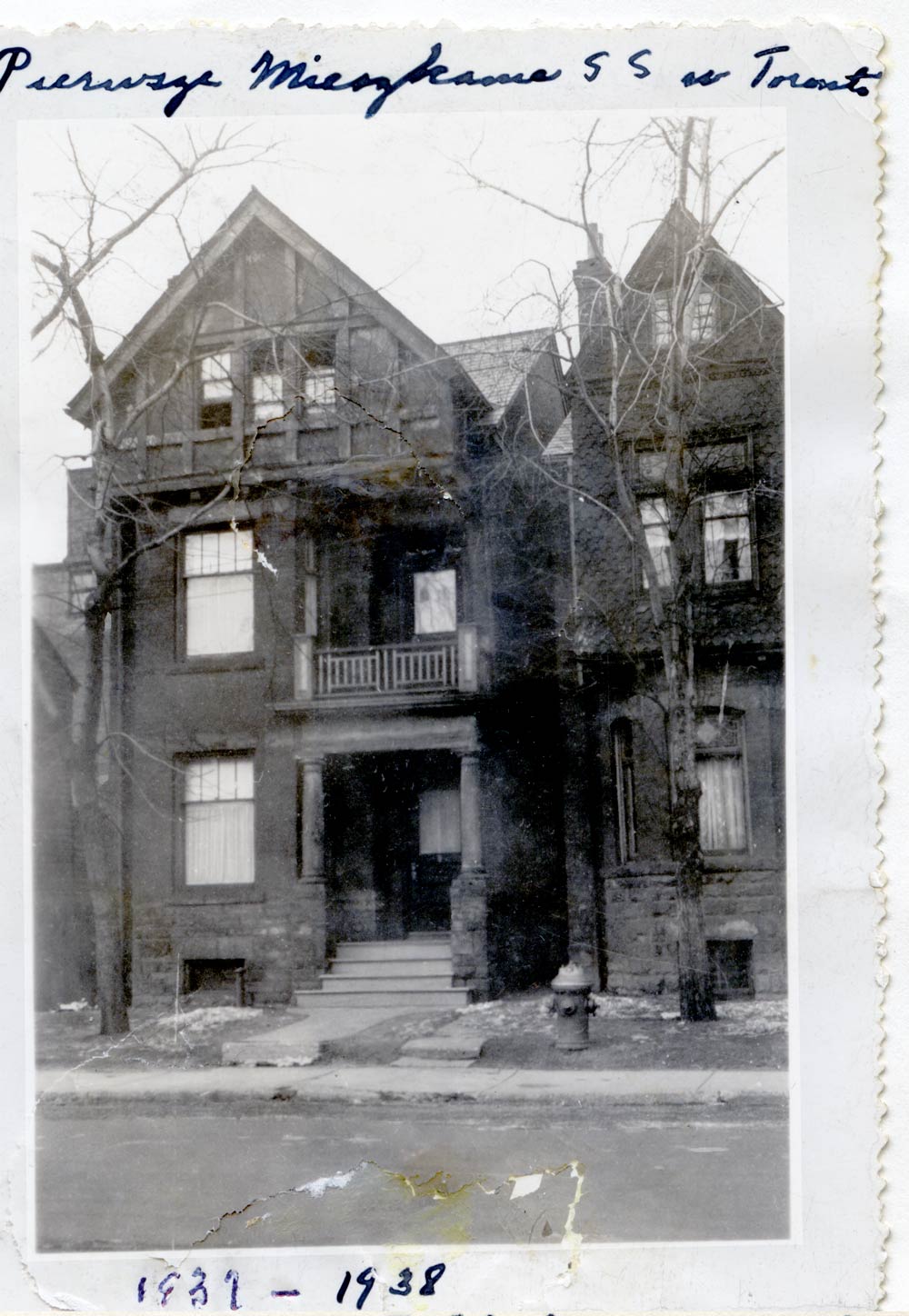
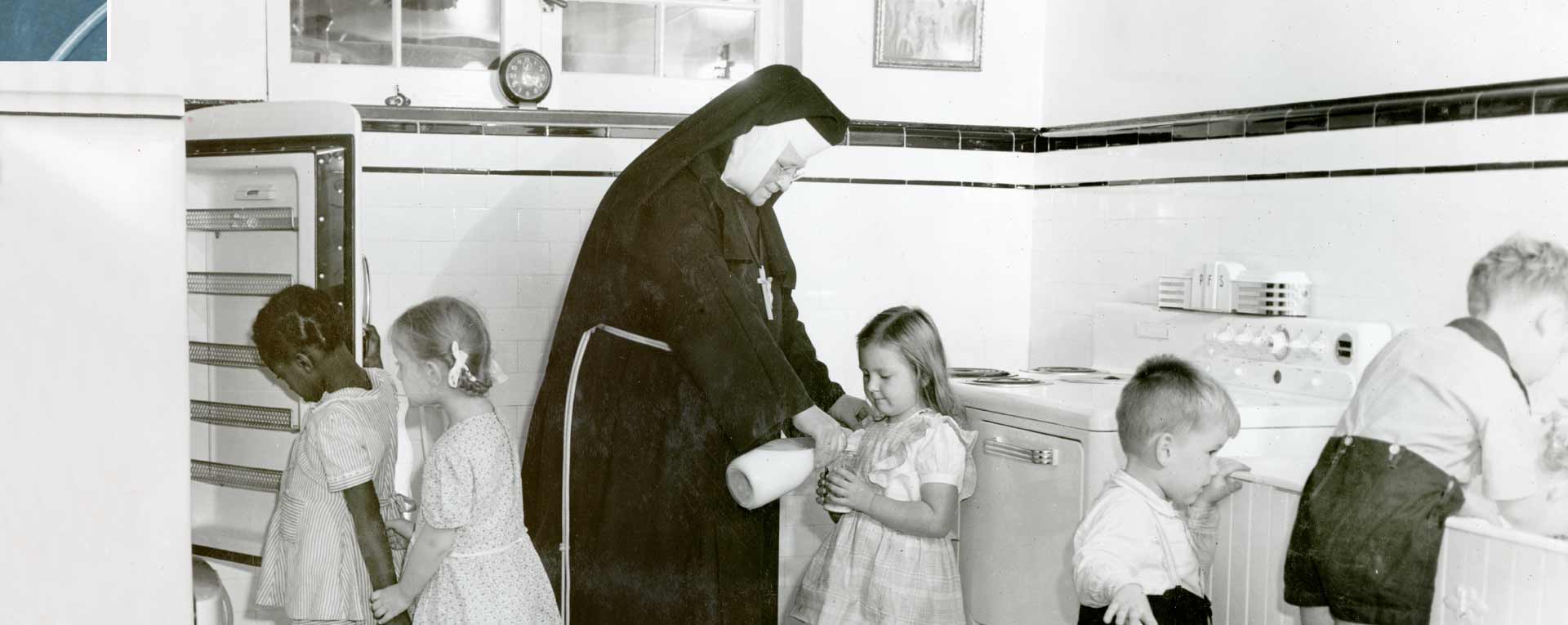
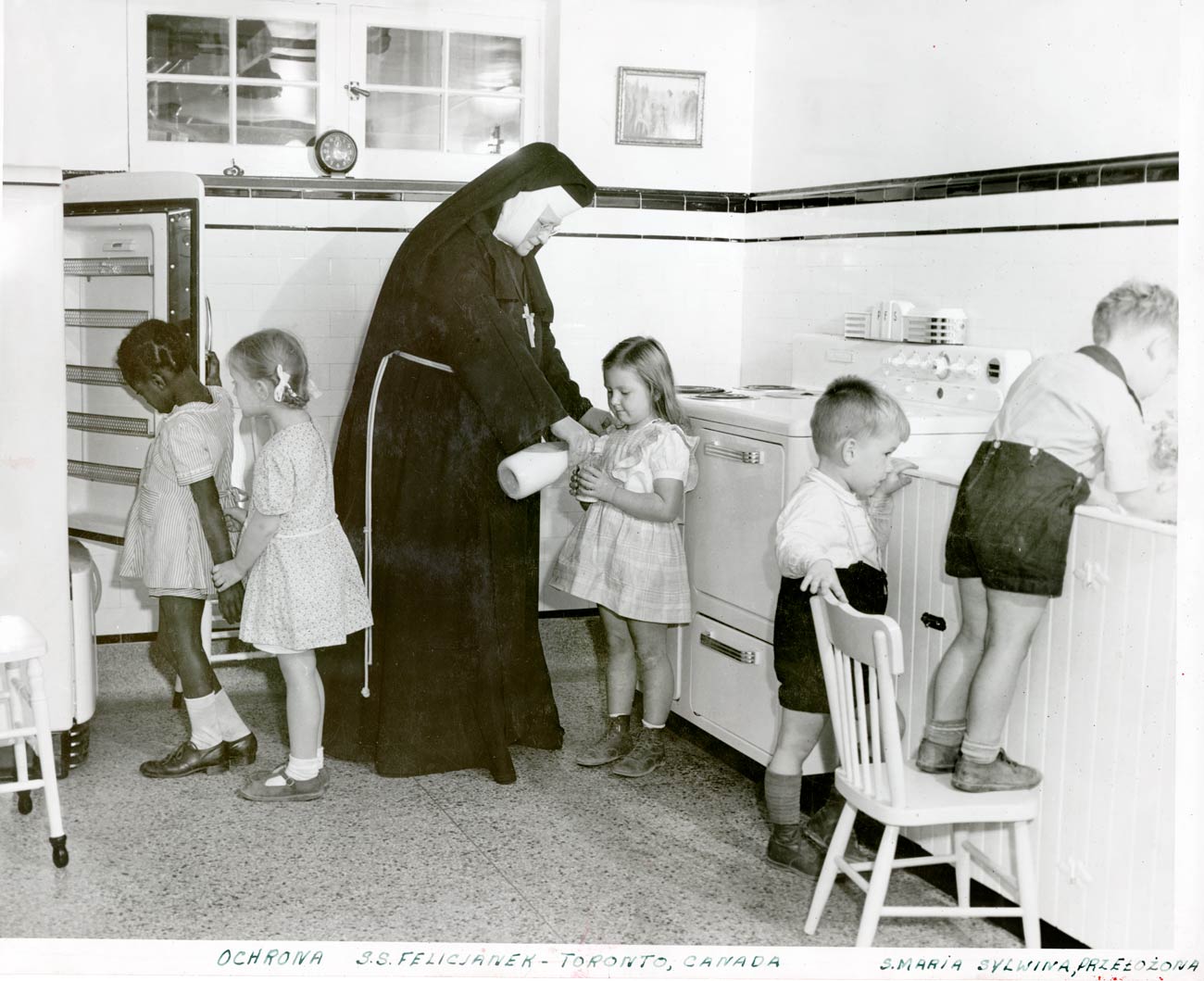
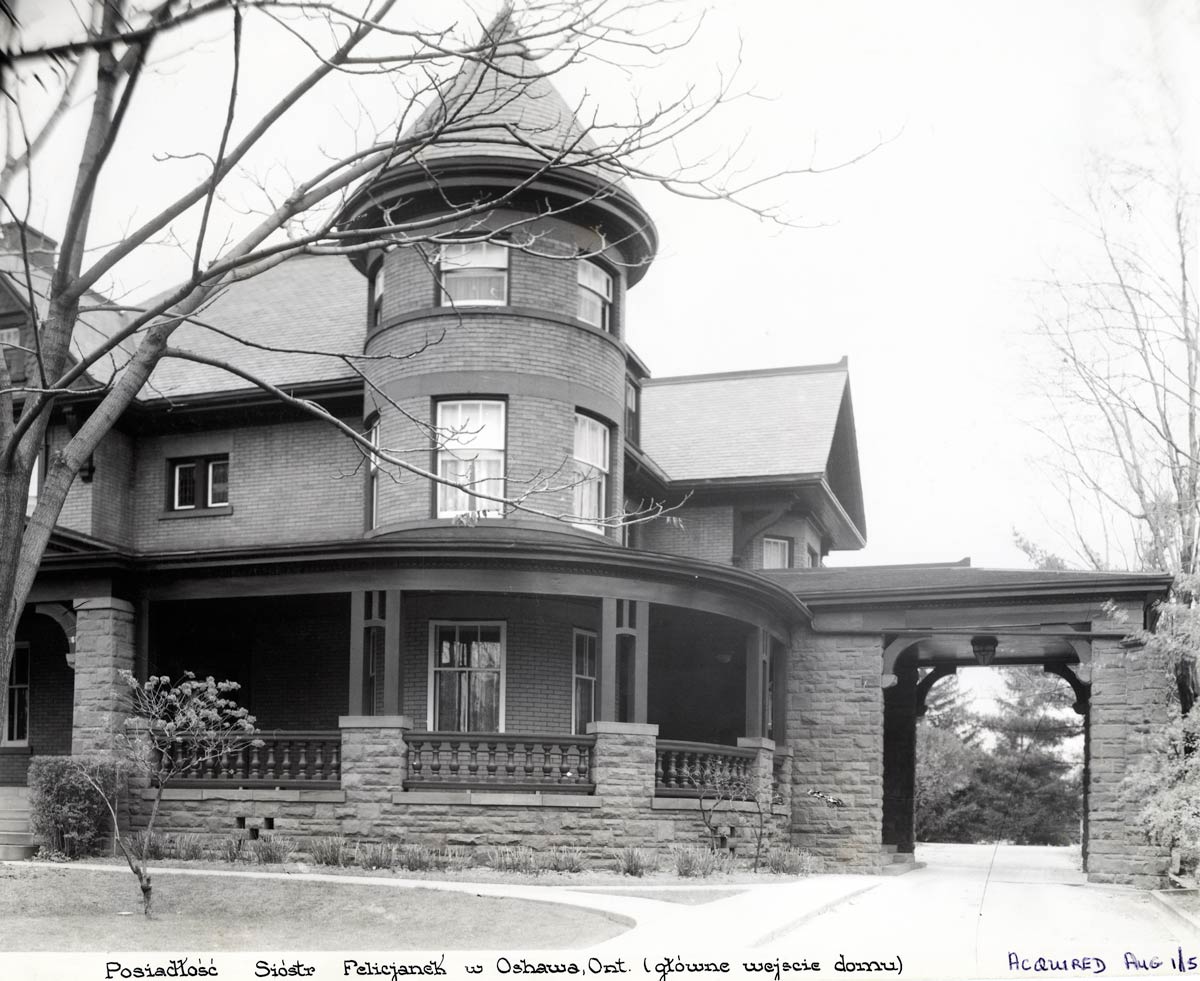
he greatest influx of Polish immigrants to Canada occurred between 1921 and 1931. Several Catholic priests requested Felician Sisters in Canada as early as 1935, and eventually, four from the Buffalo province were missioned to Toronto in 1937. There, Felician Sisters began an apostolate serving in the fields of social, religious, and educational ministry. They purchased a former mansion in the city proper on Augusta Avenue to serve as a convent and to operate a day nursery. A year later, they took on another assignment that required commuting for a full day of social work that included a day nursery and health clinic.
The sisters’ reputation spread, and they were called to many parishes, some beyond the city of Toronto, which involved hours of travel. Periodically, they conducted classes in private suburban homes, while permanent centers were established in distant locations. While visiting homes, the sisters witnessed the poverty of the people, which prompted intense Catholic social work. In 1954 alone, 4,967 social calls were made to homes and hospitals.
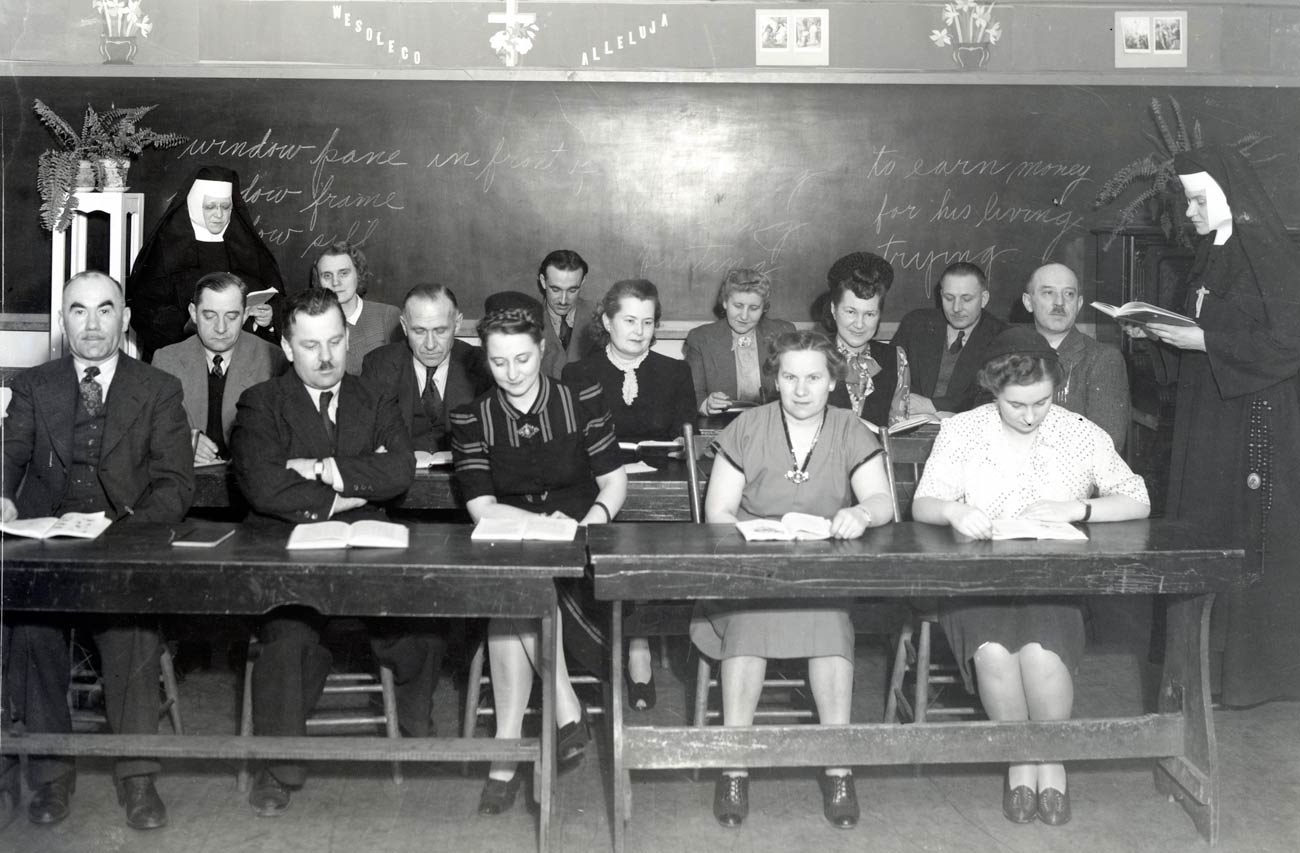
Summer school kept the sisters busy all year round. Some traveled to remote “vacation schools” to provide distant Polish communities with catechetical instruction, preparing these isolated people to receive the sacraments.
Opening their hearts to a Slovak parish, they accepted a post in Hamilton, Ontario, in 1944, where they assisted in the parish and operated a day nursery.
After World War II, the sisters assisted refugees, helping hundreds find employment, housing, and other needs, as well as acting as interpreters in official and legal matters.
In 1951, Mother Mary Sylvina Perska erected a novitiate in Oshawa to gain Canadian-born vocations, necessary for provincial self-governance. The sisters in Canada organized as a commissariat under the Buffalo province in 1953, and as Canadian-born women steadily joined the Congregation, they were able to transition to a vice province in 1965. By 1988, with a solid community of native-born sisters, Holy Name of Mary became an official province.
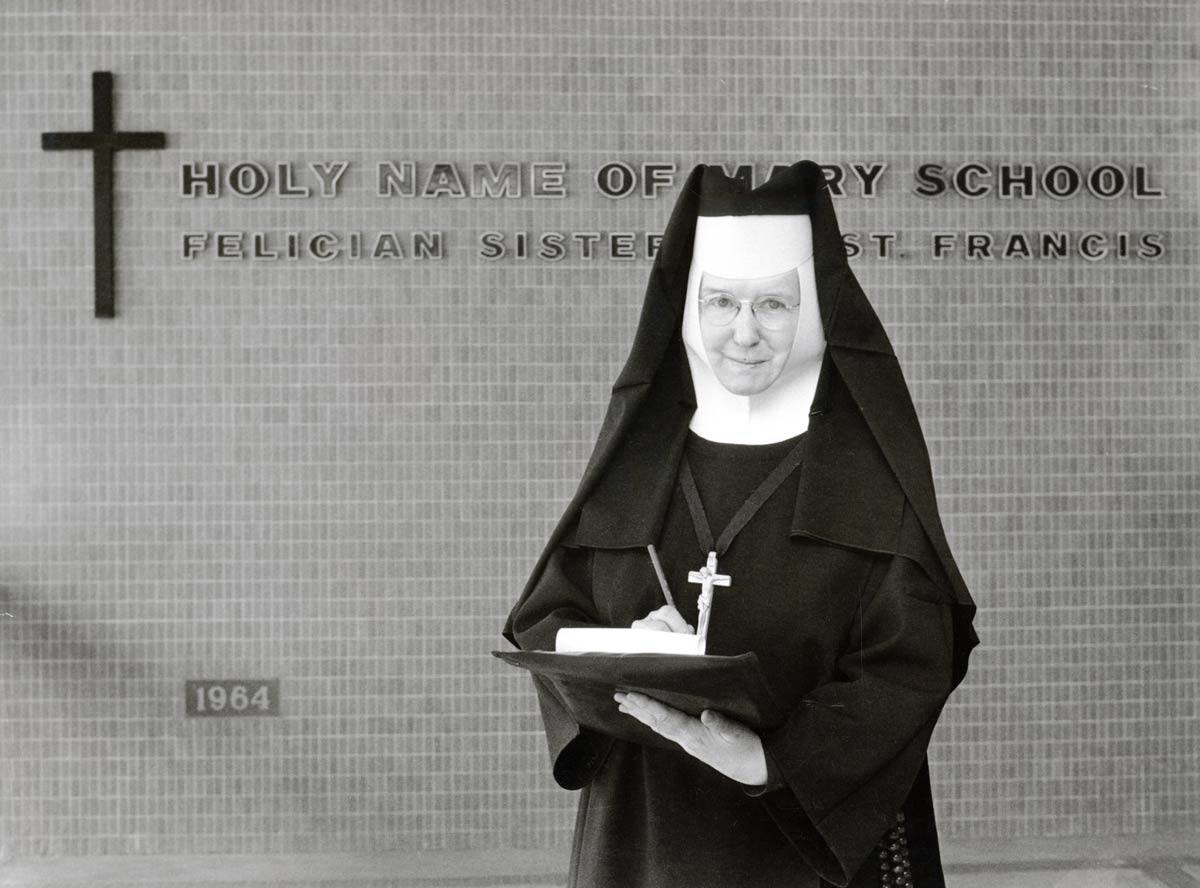
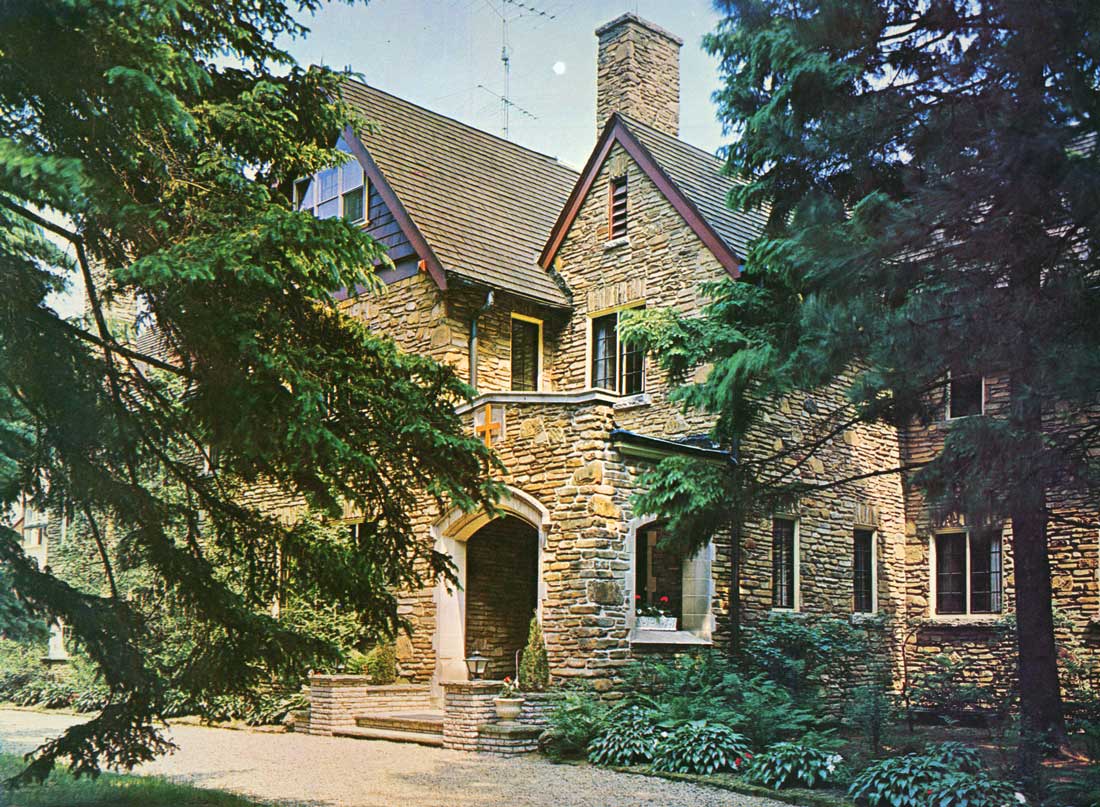
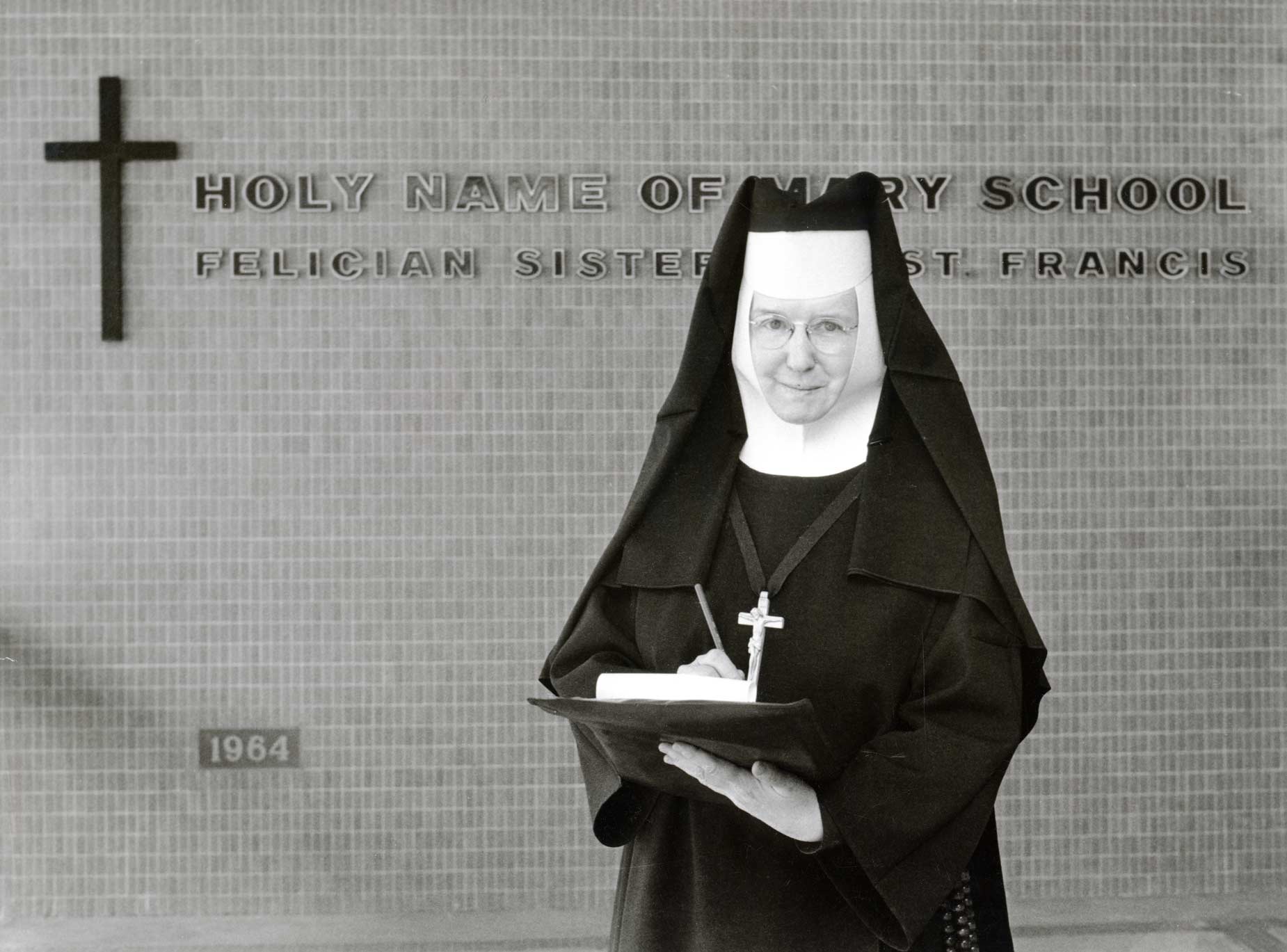
The sisters relinquished their Augusta Avenue convent, allowing it to serve more fully as a ministry for the homeless. They built a new provincial house and high school for girls in 1964 in Mississauga. Felician Sisters in Canada remain a positive influence on youth through education and retreat programs.
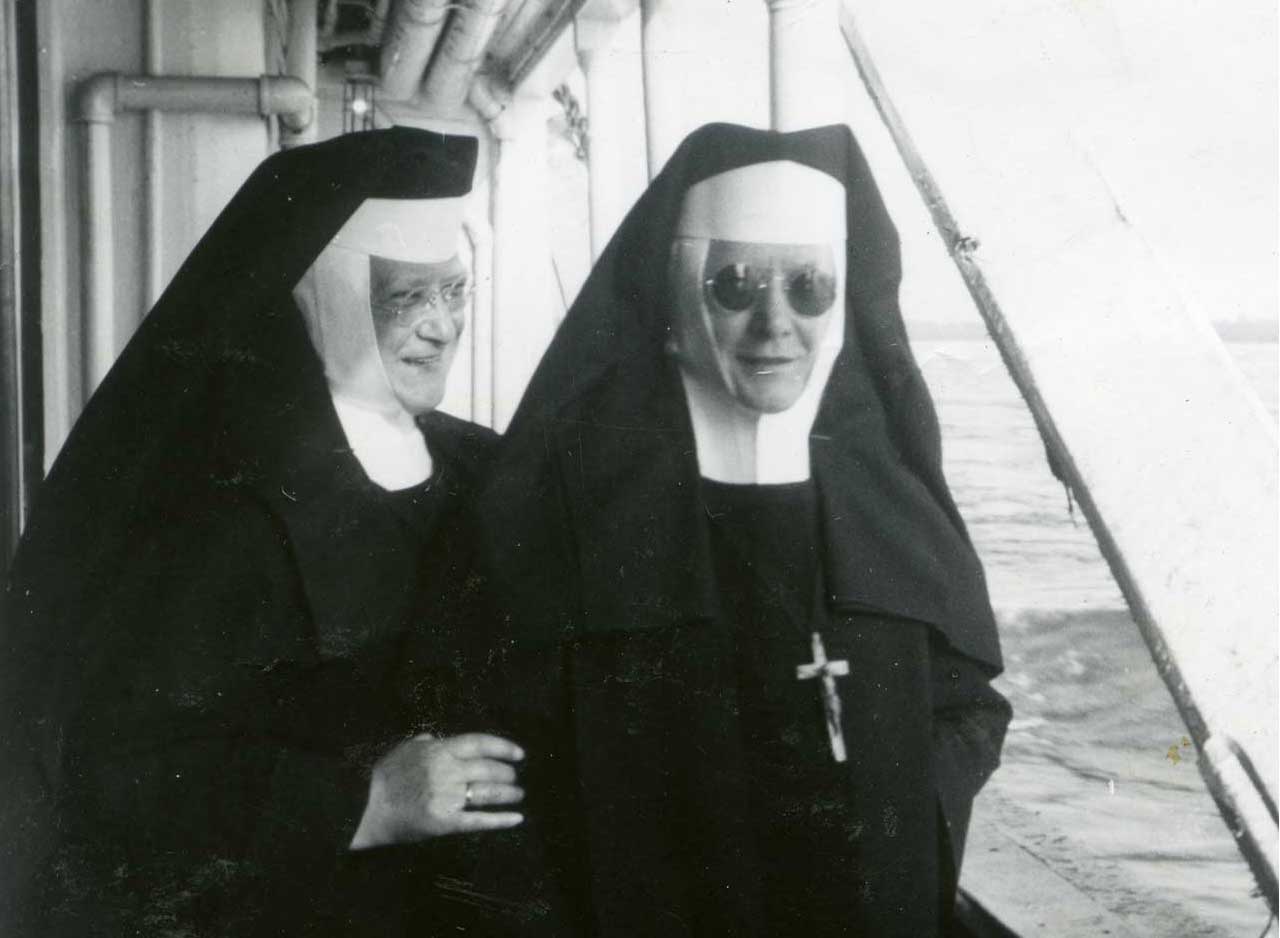
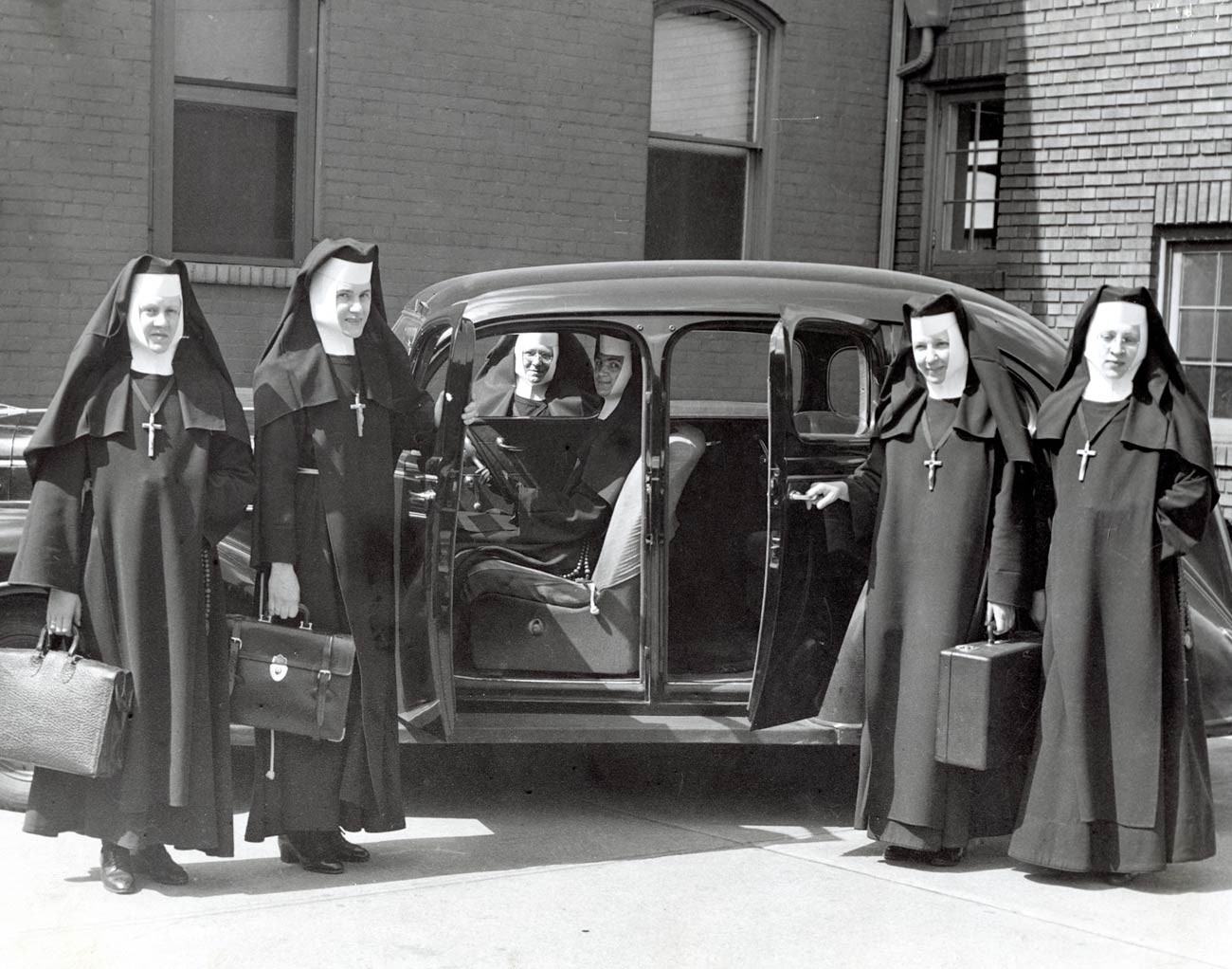
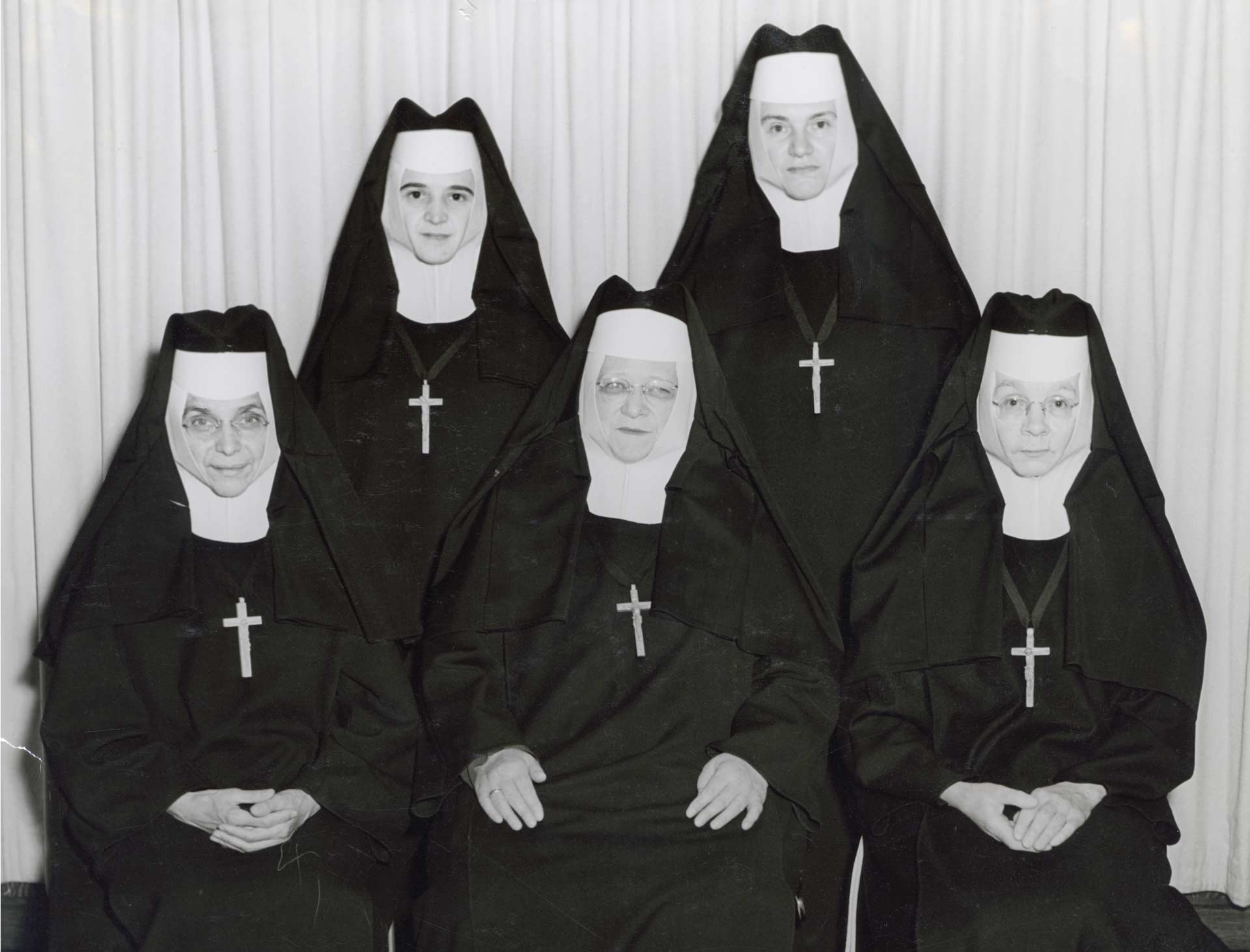
Four Felician Sisters from the Buffalo province were sent to Toronto, Canada to assist struggling Polish immigrants.
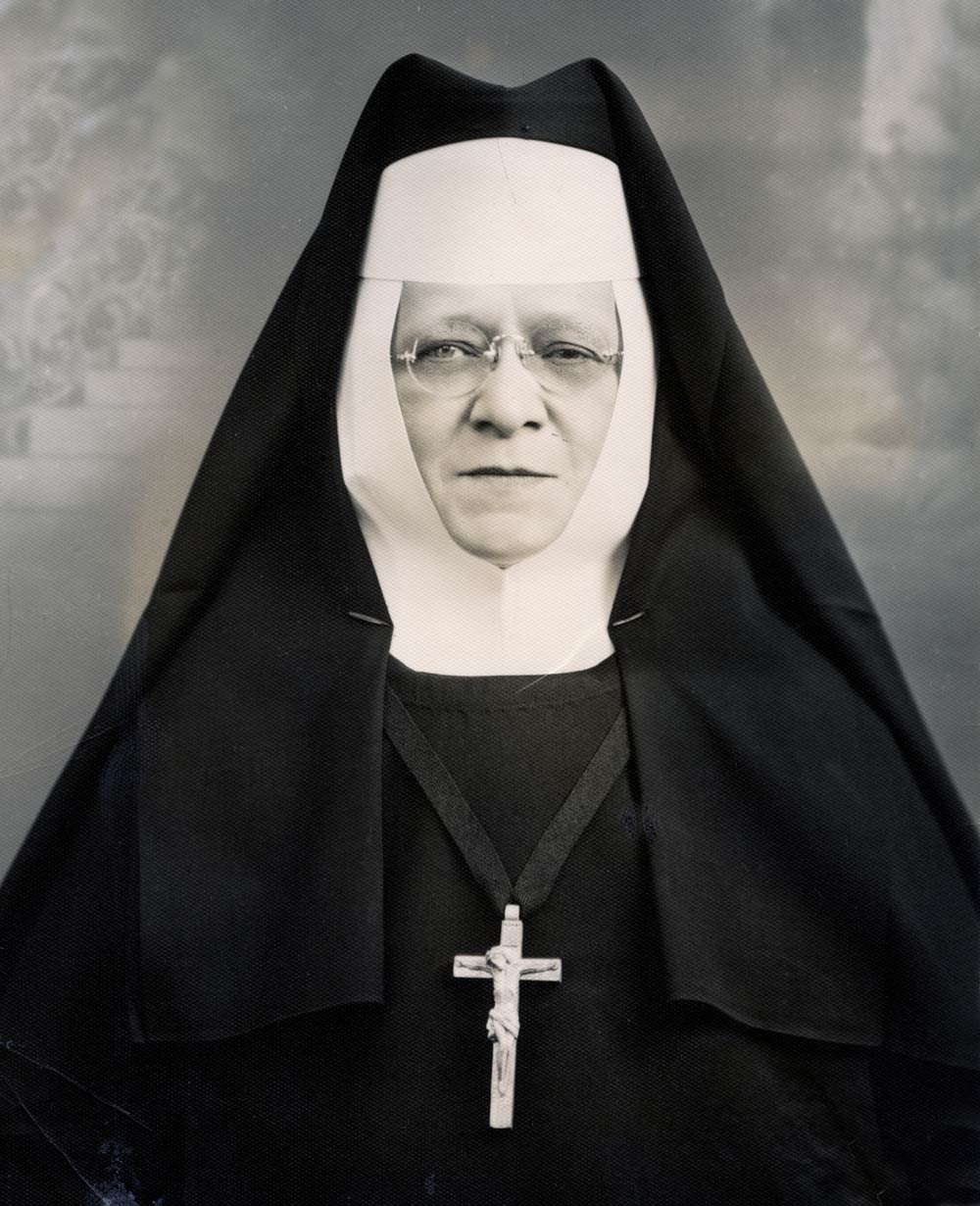
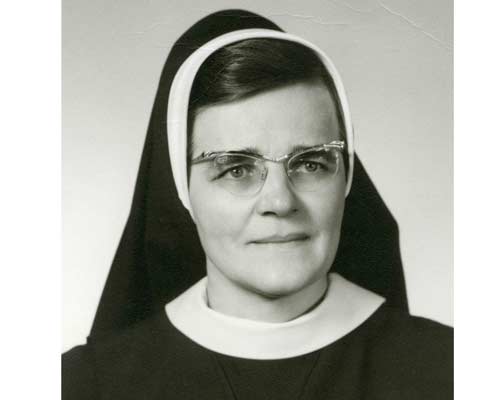
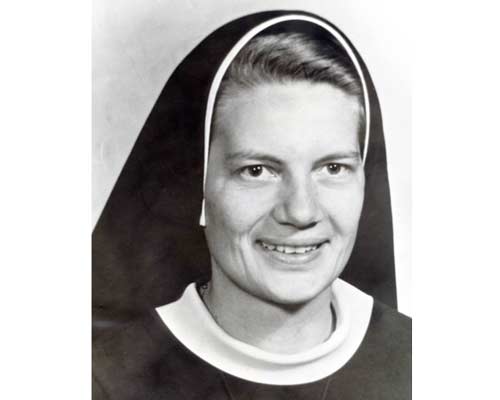
Pictured are Mother Mary Sylvina Perska and Sister Mary Bogumila Czosynka who were missioned in 1937.
Felician Sisters were contracted to take charge of a day care, staff a clinic, and perform office work, helping immigrants fill out forms and find their way at this immigration center.
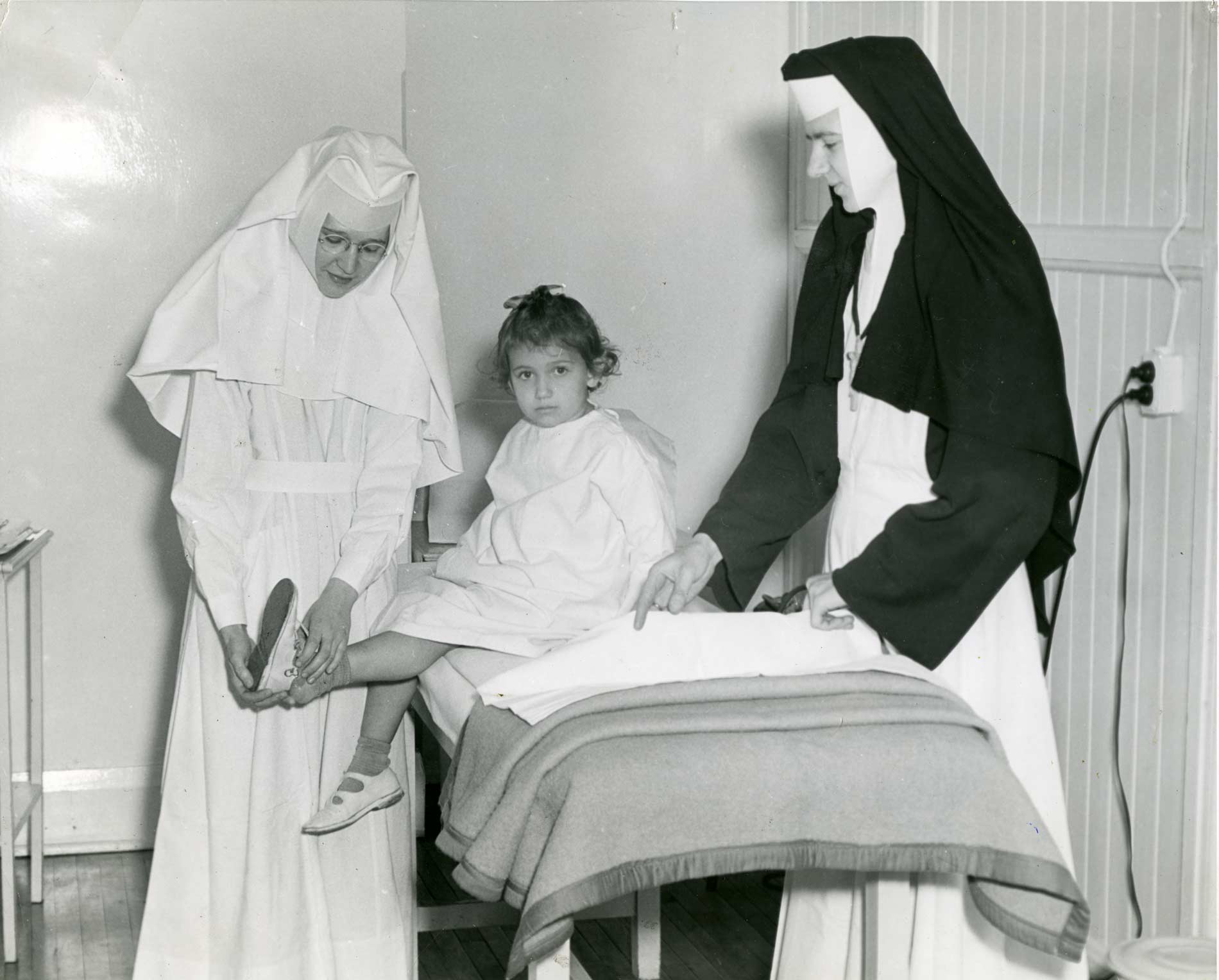
Pictured are SM Dolores and SM Bertrand ministering at the St. Gerard Clinic at the Catholic Resettlement House in 1954, the same year the clinic closed. Felician Sisters terminated their service in this ministry in 1986.
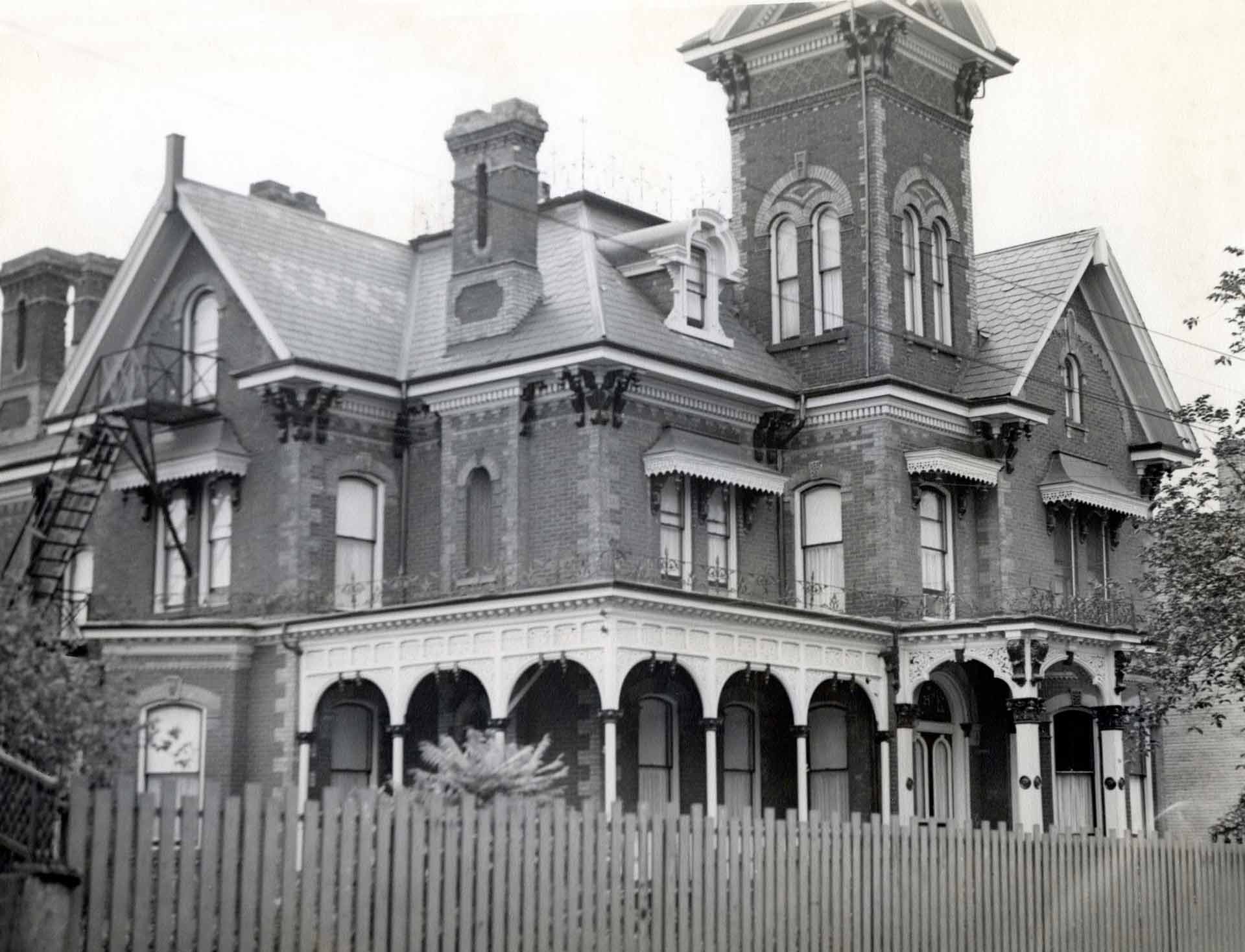
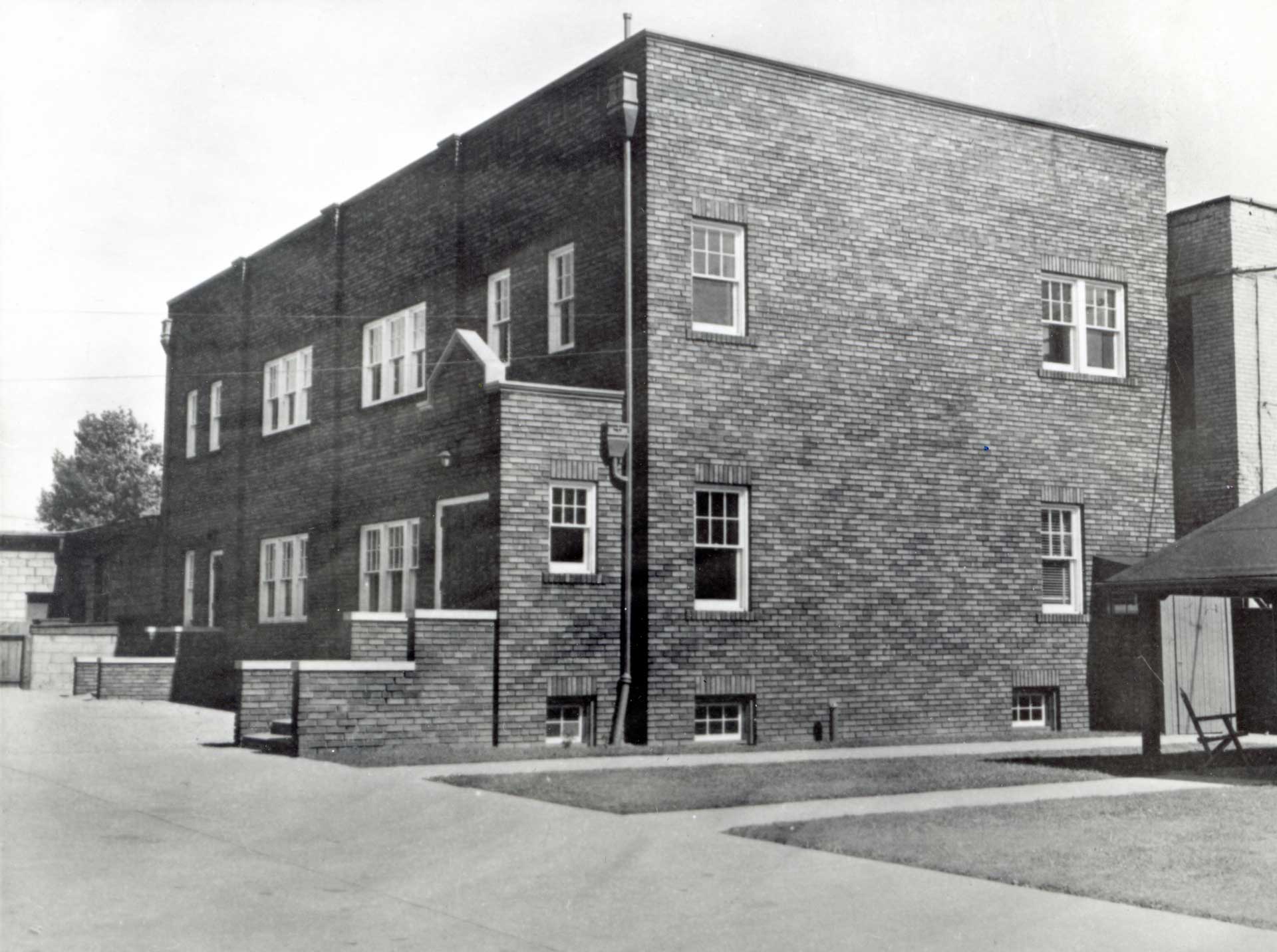
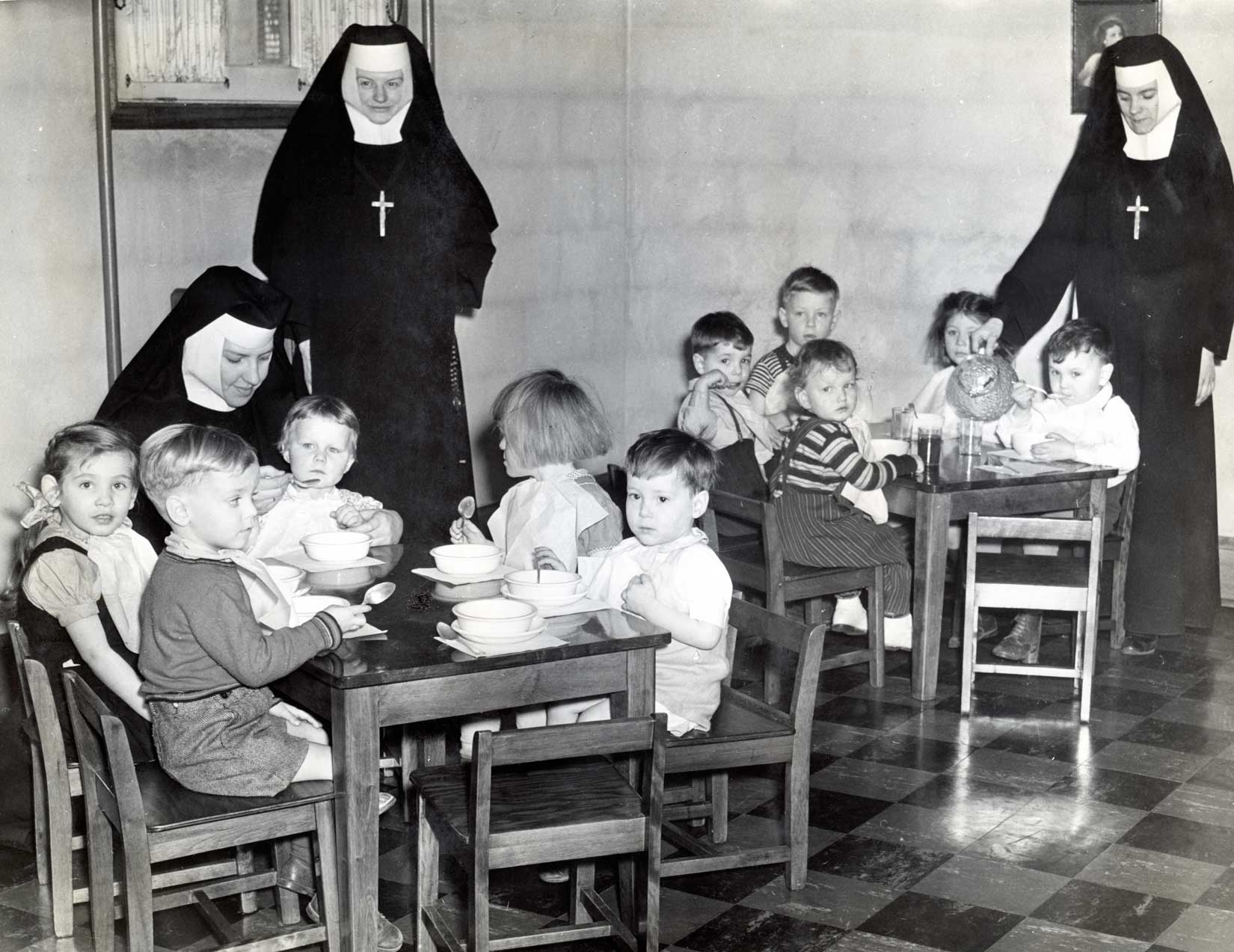
Located in Hamilton, ON, the nursery successfully helped families with two working parents. The week it opened, 22 students enrolled, and during its existence, the sisters received generous donations for the nursery from the community.
Felician Sisters Day Nursery closed in 1966 after 24 years of service.
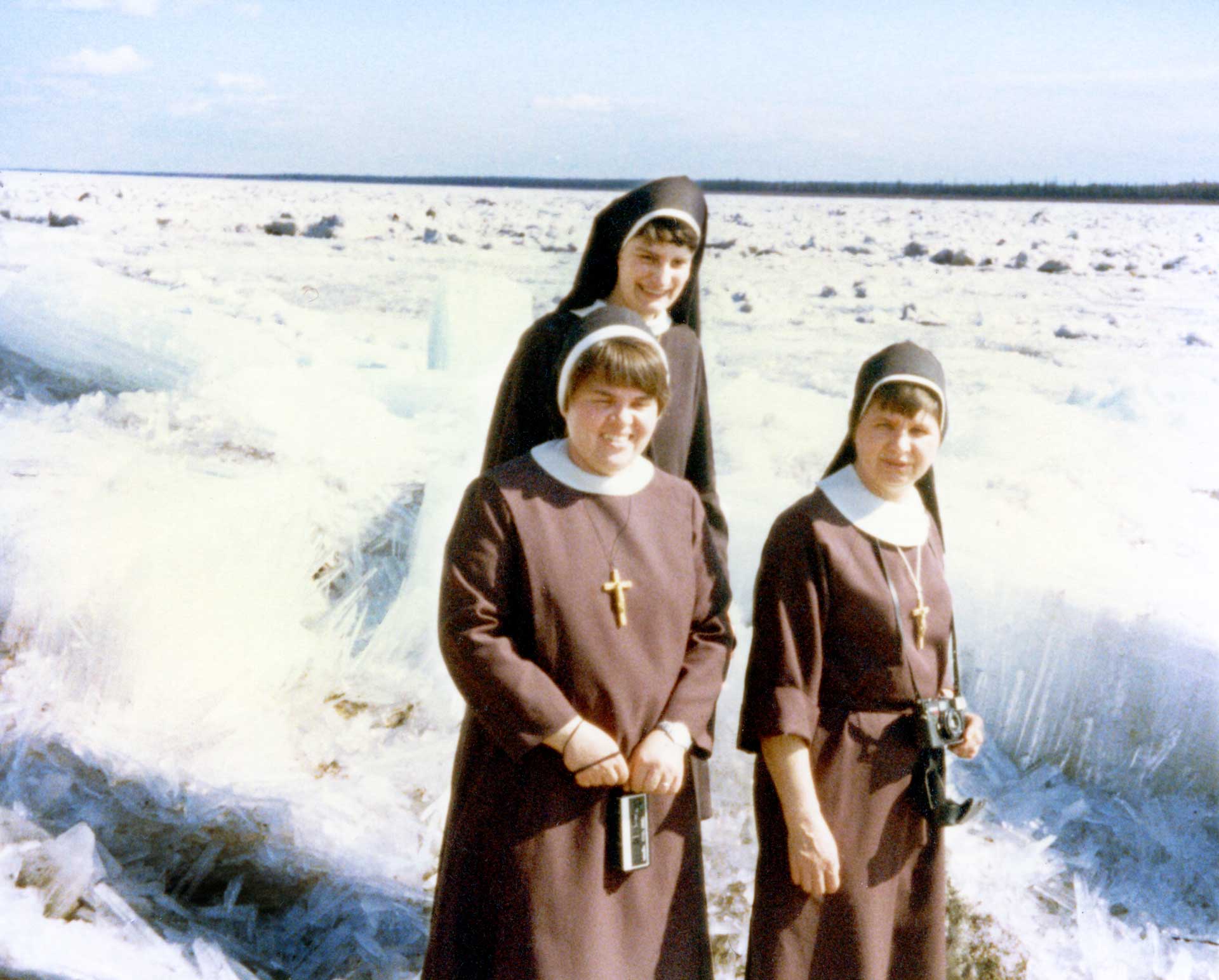
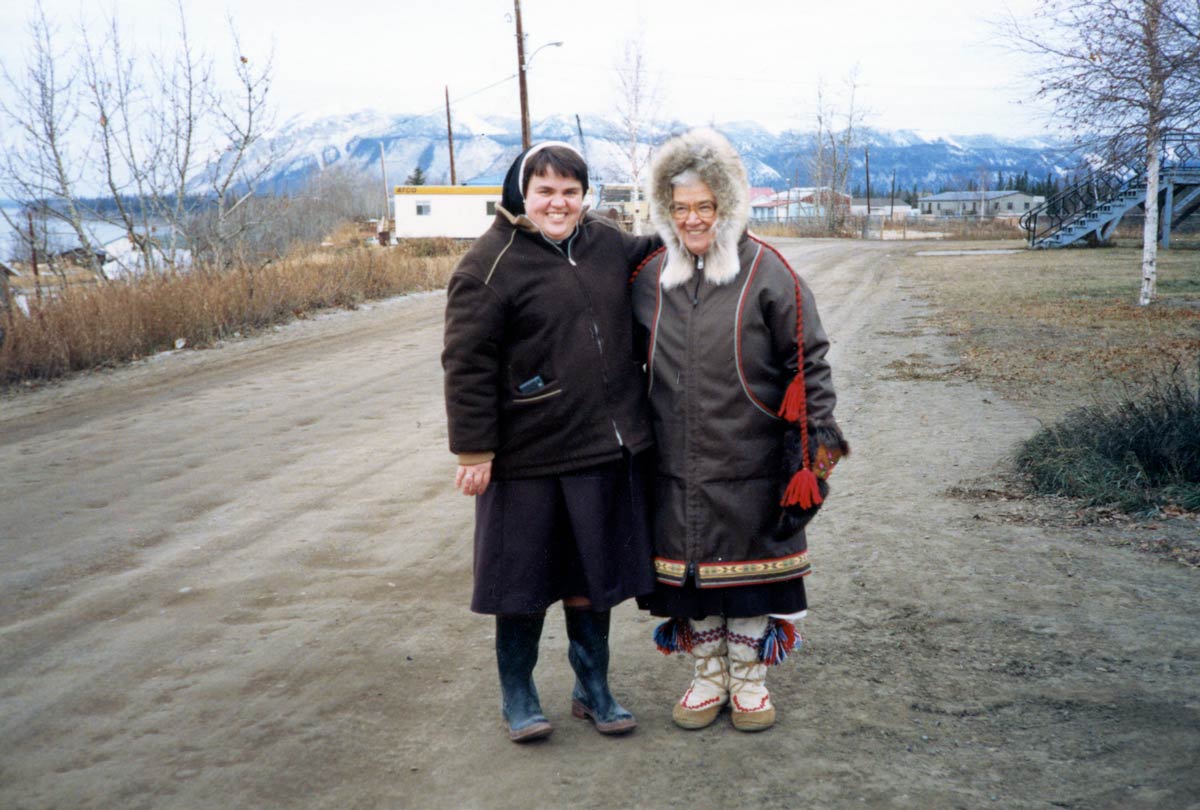
Three Felician Sisters began an apostolate of faith and education serving the Dene people 90 miles south of the North Pole.
SM Celeste Goulet, SM Vincent Bright, and SM Edward Recoskie posed for a photo next to the frozen Mackenzie River in 1979.
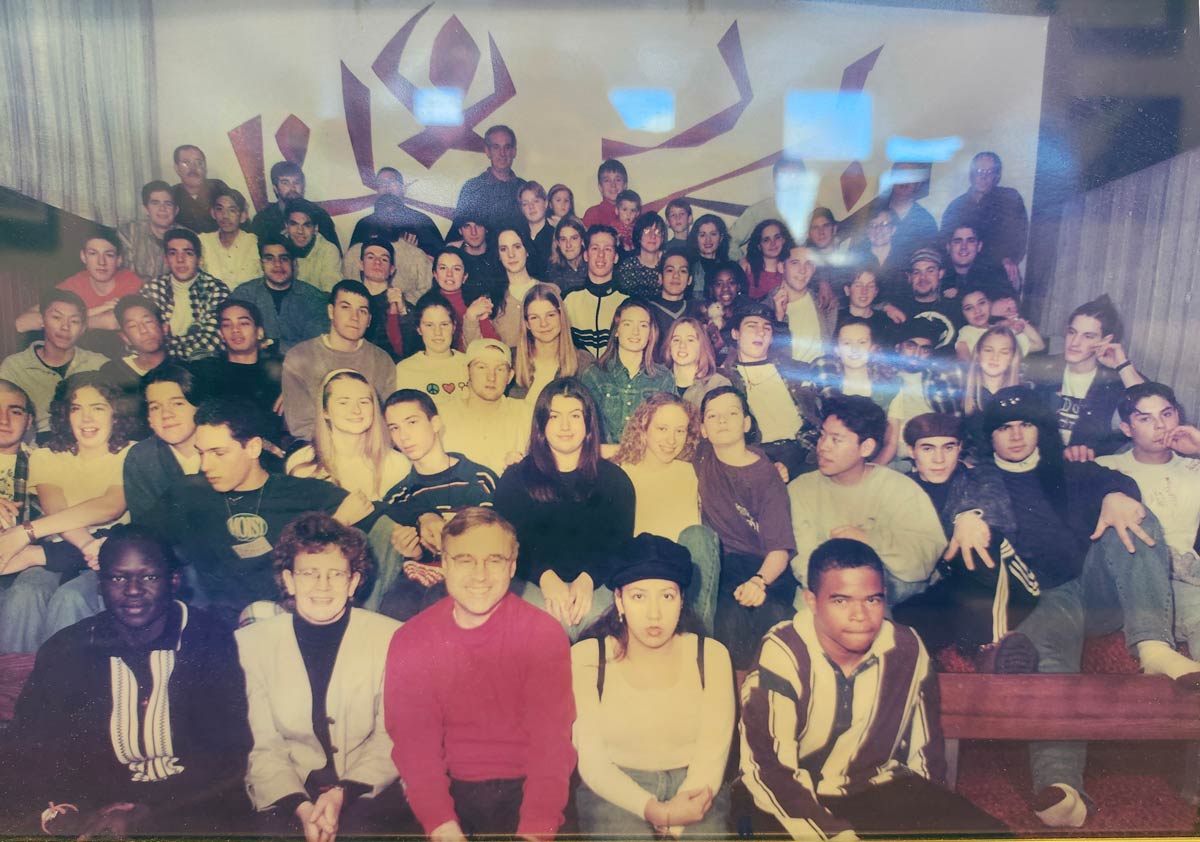
Sister Jacqueline Keefe and Christian Brother Bill Carruthers coach youth to respect creation and each other in the splendor of nature through youth retreats, activities, and conferences.
Pictured is the Sacred Heart Catholic High School retreat held in Mono Mills, ON, in 1997, and facilitated by Jericho House.
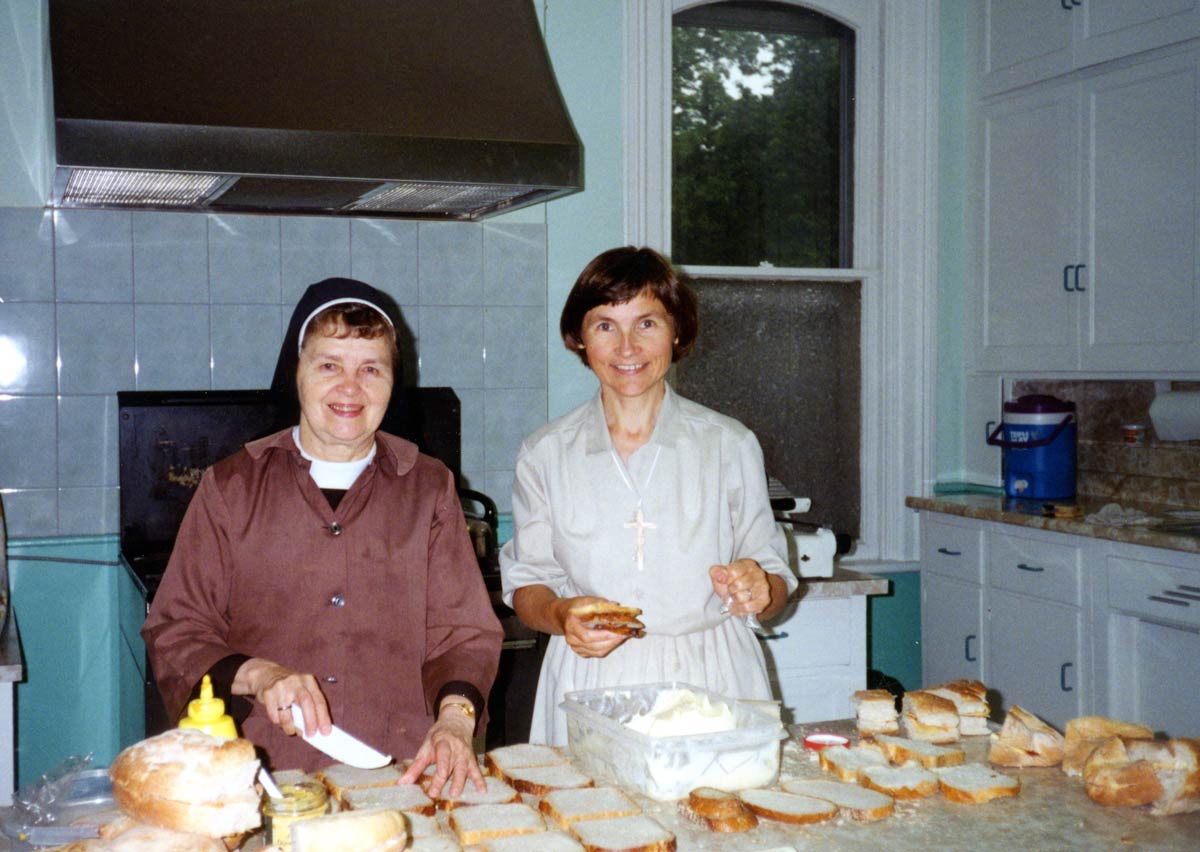
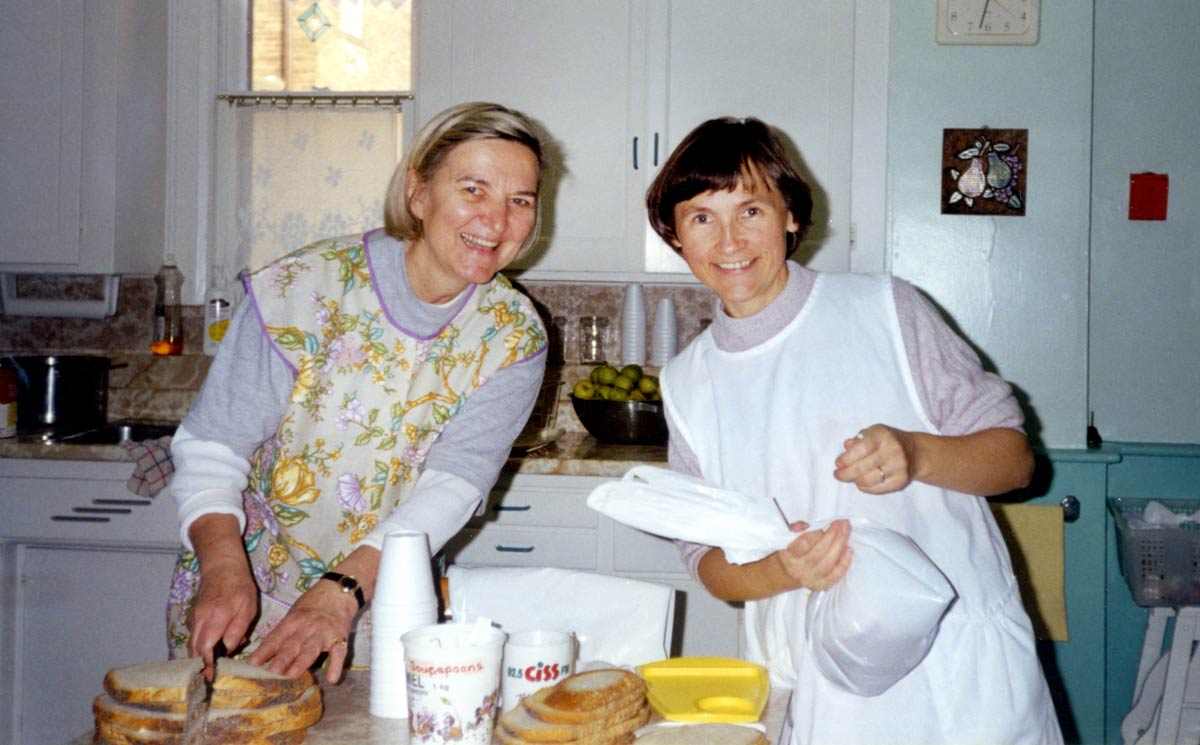
The former St. Stanislaus Nursery building evolved to meet the needs of the neighborhood. Felician Sisters made sandwiches for those who knocked on the convent door. Eventually, meals were served at a regular time.
Pictured are SM Irene Rajca and SM Teresa Mielech.