The True Start
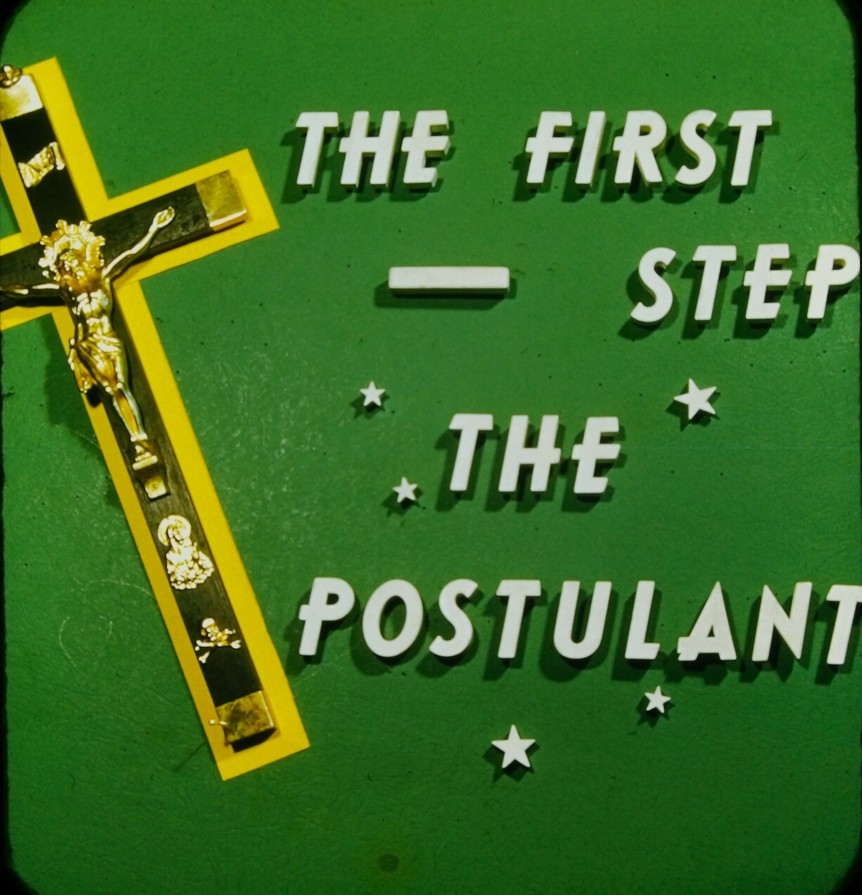
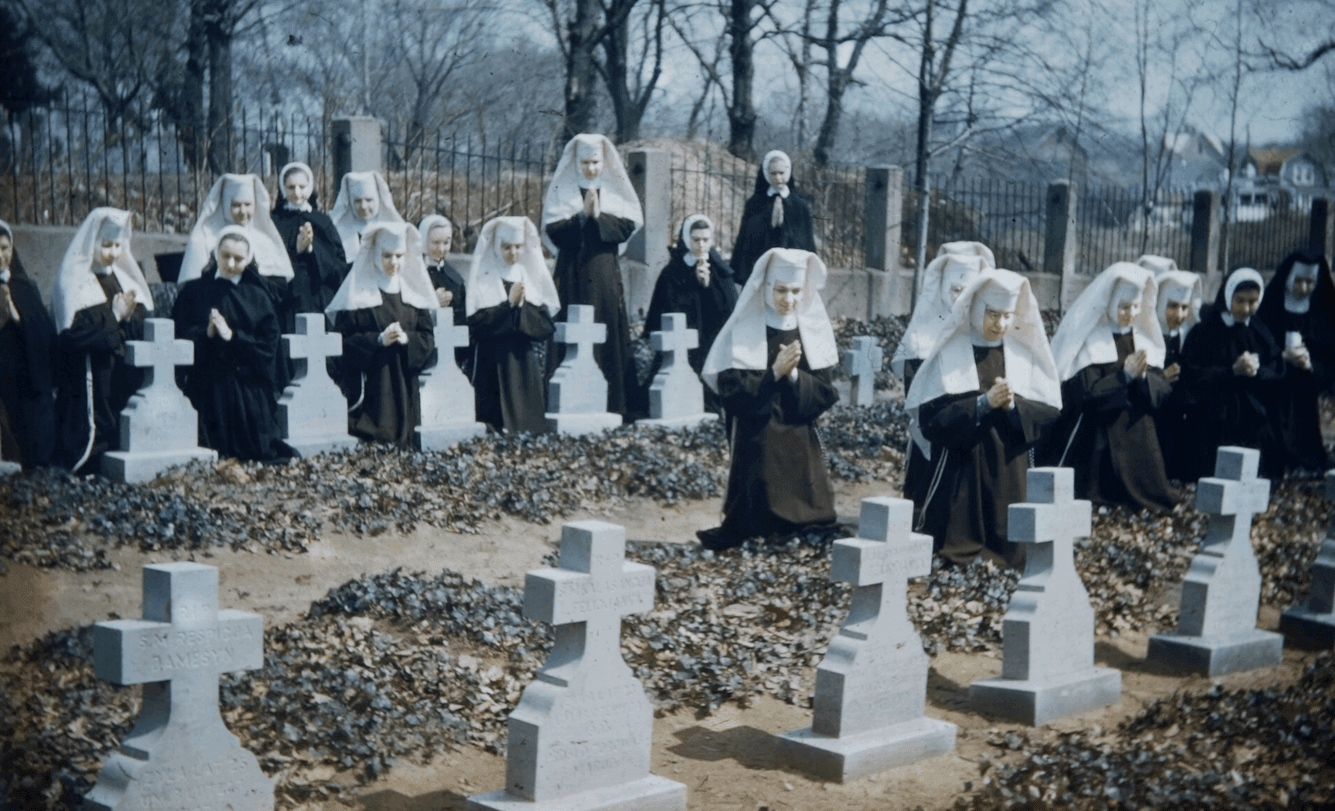
Slide from the Lodi, NJ, Immaculate Conception Province's motherhouse, c. 1960s.
Postulancy is the second step many young women journey upon after the Aspirancy or Candidacy. It takes place before women enter into the next stage, the Novitiate. It is the step that marks a woman’s readiness to more fully enter religious life by living in the community for one to two years.
More so than the aspirancy, the postulancy is really the stage of sisterhood that sets the tone for all the rest of the stages. Any Catholic woman or girl could be an aspirant or a candidate, but the postulancy is the real cut-off to those seeking entrance into the Felician Sisters. In the current day, it means no more living at home, more commitment to one religious order, and actually entering into religious life more formally. In the past, it meant that and more, with the needs of the communities the sisters serving being higher with less societal safety nets in place for struggling North Americans.
Whether now or then, the postulancy, at its core, remains the same. It is a stage full of education and religious life, a life closer to that of sisters who are fully invested within the order with all their vows.
Program
Before 1971, women entering this phase would follow an organized program of prayer, study, and work preparing to serve ministries in the future. Their uniform was a simple black dress with a cape and a white bonnet with a short veil.
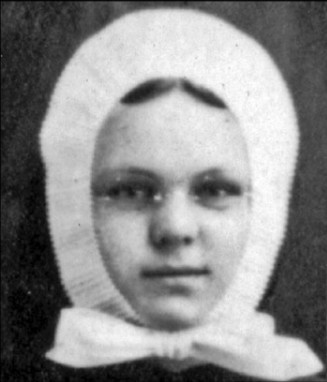
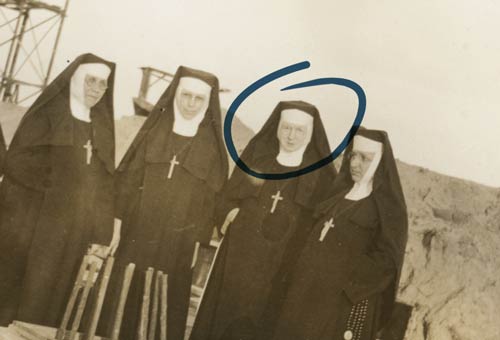
Anastasia Bartkowiak at age 19 in the Immaculate Heart of Mary Province (1907). She later became known as Sister Mary Petronia and largely served in the newer Immaculate Conception Province.
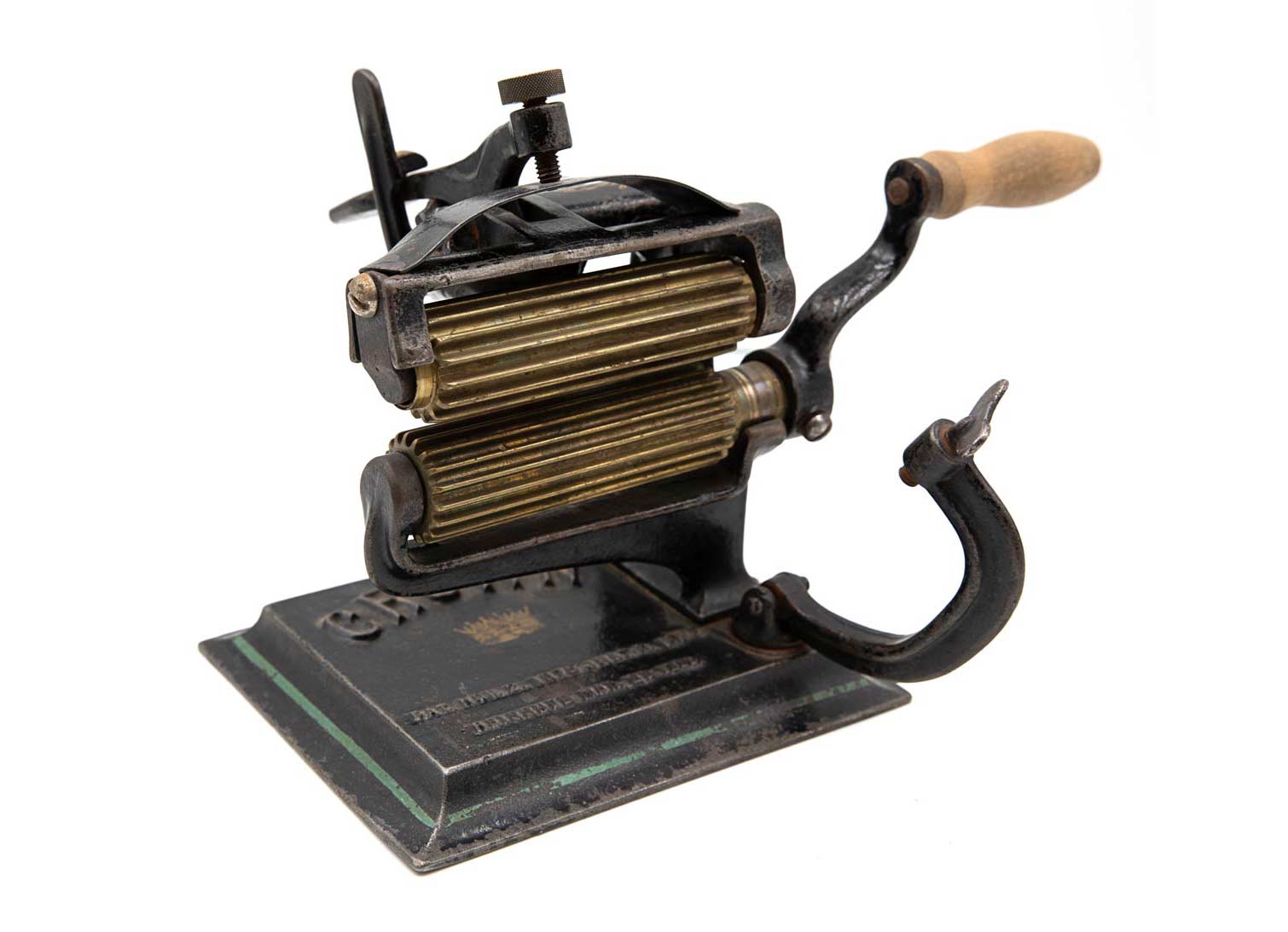
This machine, a postulant cap iron, was used to crimp the tightly ruffled white coif of the veils worn by postulants.
Postulants usually spend two years in postulancy. In the 1920s, this was not purported to be the case on paper, though. The Constitutions that governed the Felician Sisters at the time, according to former sister historian Charlene Endecavage, reported that “postulants reside for one year in the mission home and return... for the summer[] to the novitiate for the last three months of the postulancy, sometimes because their services were needed at the parish, sometimes because they were not considered ready for the novitiate and were kept on probation for another year."
This postponement of entrance into the novitiate is attributed to not just the growing need for sisters’ assistance in parishes, but also in schools. This was due to the influx of immigrants around the turn of the century and surrounding the First World War. And it wasn’t just one extra year the postulants were held back, but sometimes as much as four as they were needed as teachers as alluded to in our Aspiring to the Felician Sisterhood: A History of the Aspirancy blog post.
The communities requesting aid from the sisters were often short on cash as well as space and teachers into the 1920s. As lay teachers were rare and expensive, according to sister historians Sister Mary Amelia Domarecki and Sister Mary Ellen Brulinski, the more available and less expensive “[s]isters' stipends averag[ing] $35 to $50 a month,” were often the best and only option available for struggling communities.
Experience with Age
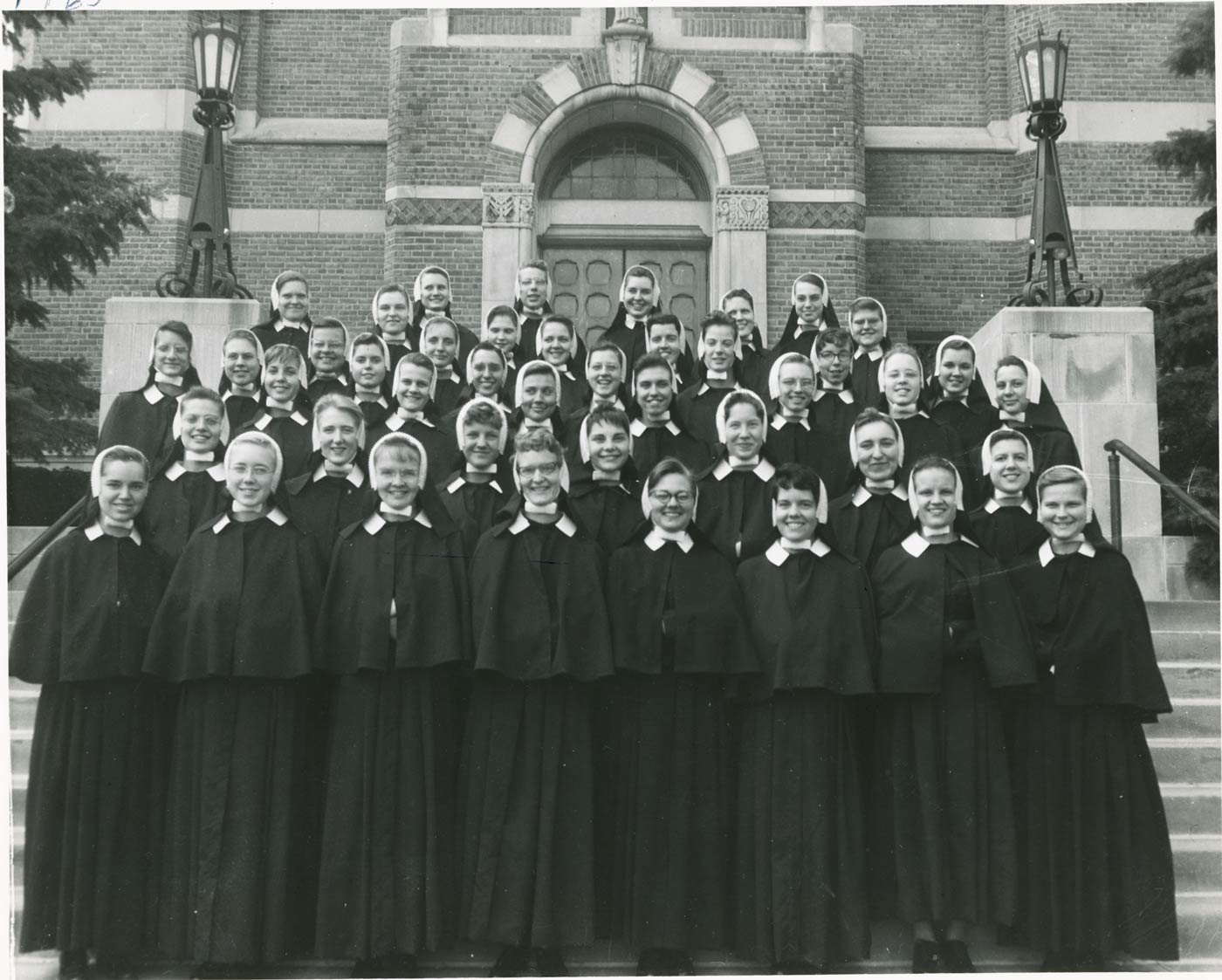
Presentation of the Blessed Virgin Mary Province postulants in 1963.
In the 1920s, many postulants were between the ages of sixteen and seventeen. As the decades wore on, the average age for postulants went up as the four-year aspirancy program became more finalized, coming to encompass a young women’s secondary education. By the 1950s, many women entered the postulancy after they obtained their high school diplomas at the end of their respective aspirancy programs or later in life.
Since the number of candidates had already been on the decline into the post-World War II era, Vatican II and Second Wave Feminism both contributed to an even sharper decline. It caused many postulants, and even some older sisters, to depart from religious orders for a variety of reasons. Maintaining religious women as postulants was getting harder as well as maintaining funding for all the ministries and caretaking needed for an aging religious sister populace. It became harder to justify paying for the schooling of young postulants under the age of twenty that might just leave the sisterhood after obtaining their degree or equivalent experience on the sisters’ dime.
Now, with women having more options in a post Second Wave Feminism world, the sisters want to make sure their prospective candidates entering into the postulancy have experienced enough of the world, enough of life, before committing themselves to the order. This has resulted in a delayed entrance into postulancy that is often well after a woman has already gone to college or university on her own and/or had a few jobs or, perhaps, even a career before the sisters will even think about accepting her into their community.
The change in age for when a woman enters into the Felician Sisters postulancy does not necessarily mean a higher or lesser quality of postulant, though. Standards have always been high. For example, in the early years of the postulancy in North America, it wasn't uncommon for Mother Mary Monica Sybilska, the first Mother Superior of the first American province, to reject postulants she believed were unqualified. Current standards take into account age and life experience to a greater degree on top of everything else, like general temperament, obedience, and a willingness to serve.
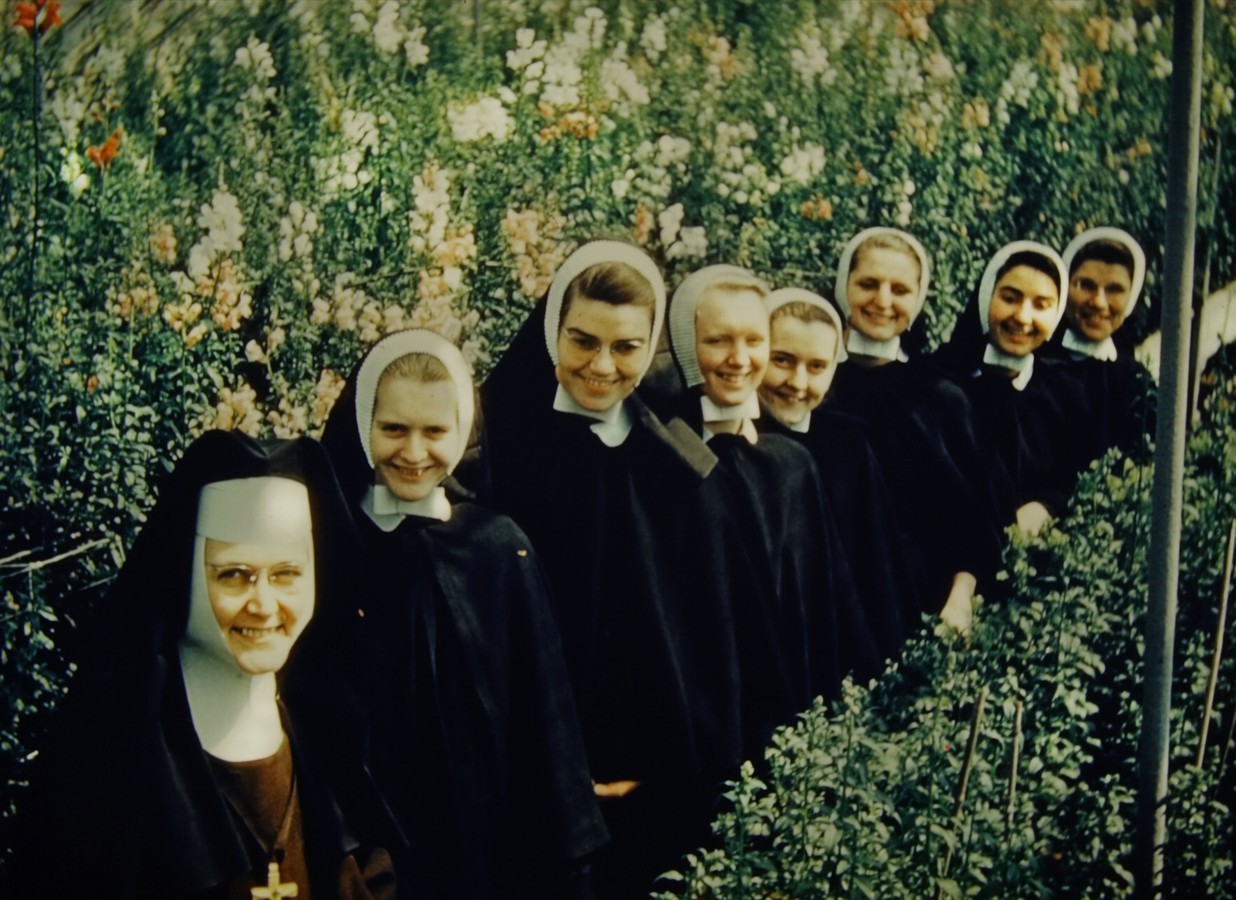
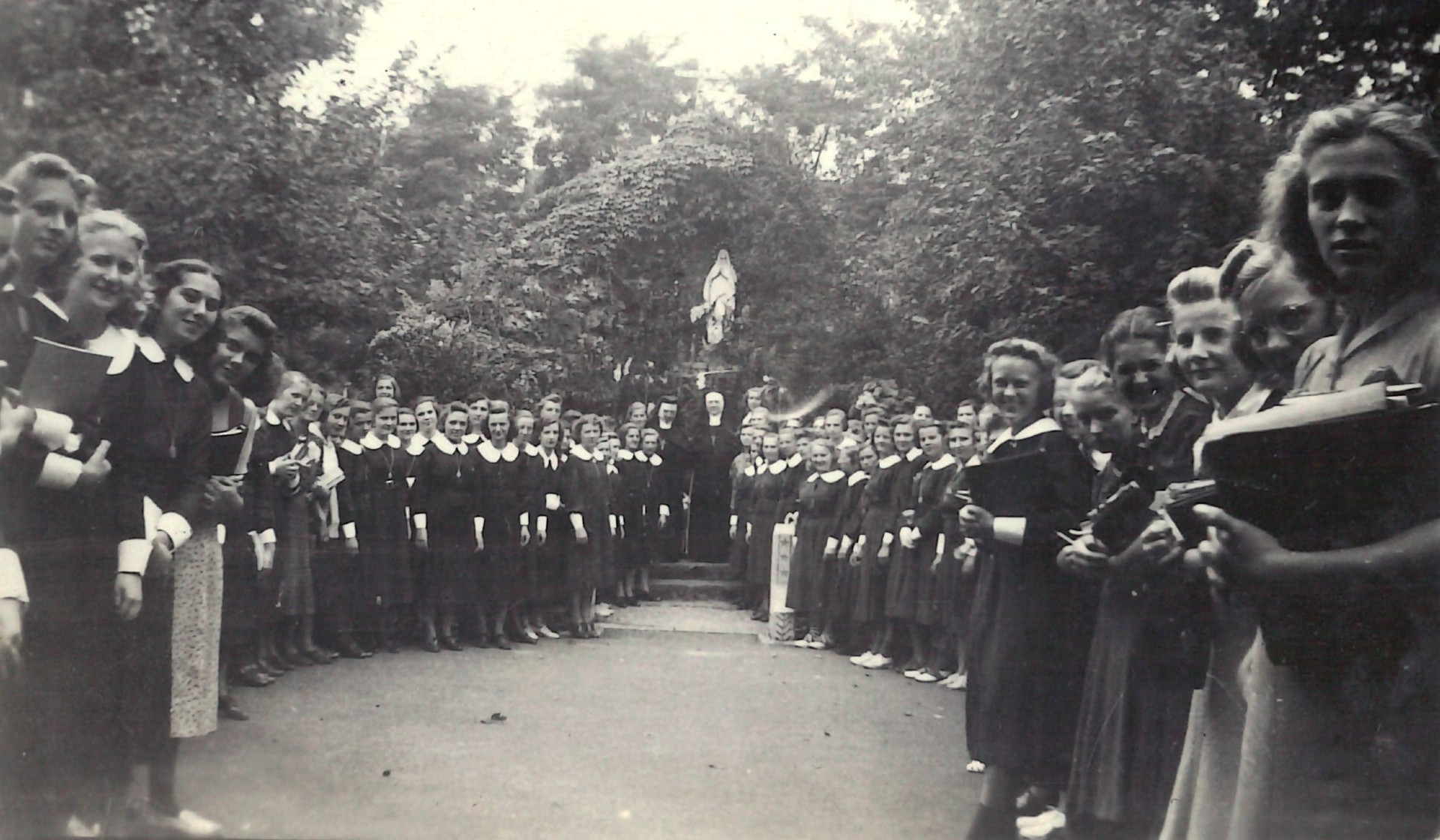
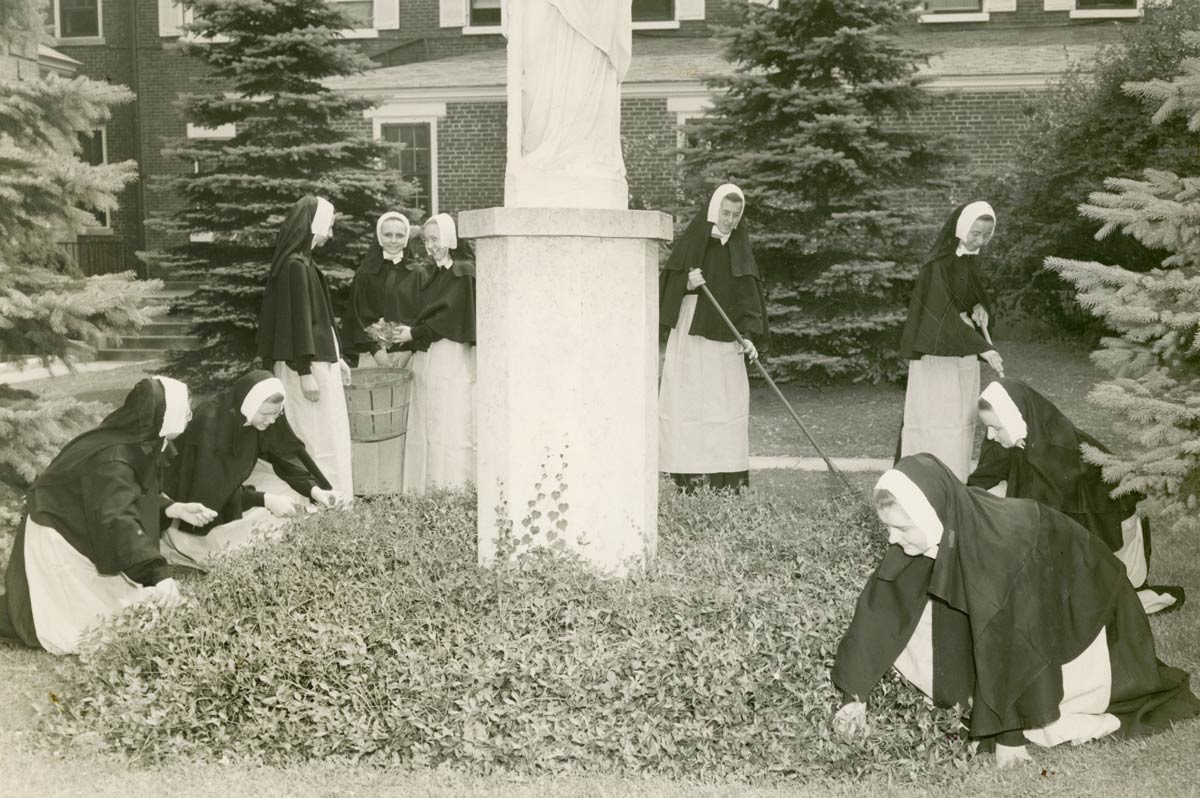
A group of young postulants with an older sister in the gardens, c. 1960s from the Immaculate Conception Province.
What's Changed, and What Hasn't
Today, the postulancy program is one of study that covers Felician spirituality, faith, and the history of the Congregation. The dress code is looser and less formal. Sister Grace Marie Del Priore, a younger sister in the community, describes her own postulant uniform to have been, “modest dresses that were brown, black, or possibly gray.”
Despite these changes, the Postulancy, at its core, remains the same. It still contains a unique educational experience within religious life and is at the start of many women’s journeys into further sisterhood, and it will continue to contain just that into the future of the order, for as long as the Felician Sisters of North America exist.
To learn more about the order's many steps to sisterhood-
Stay tuned for the rest of the Formation series!