Defining the Candidacy and Its History
When a woman is seriously discerning religious life, she looks for a religious community to join. This marks her as a candidate. The process of her discernment and application to joining a religious order is Candidacy.
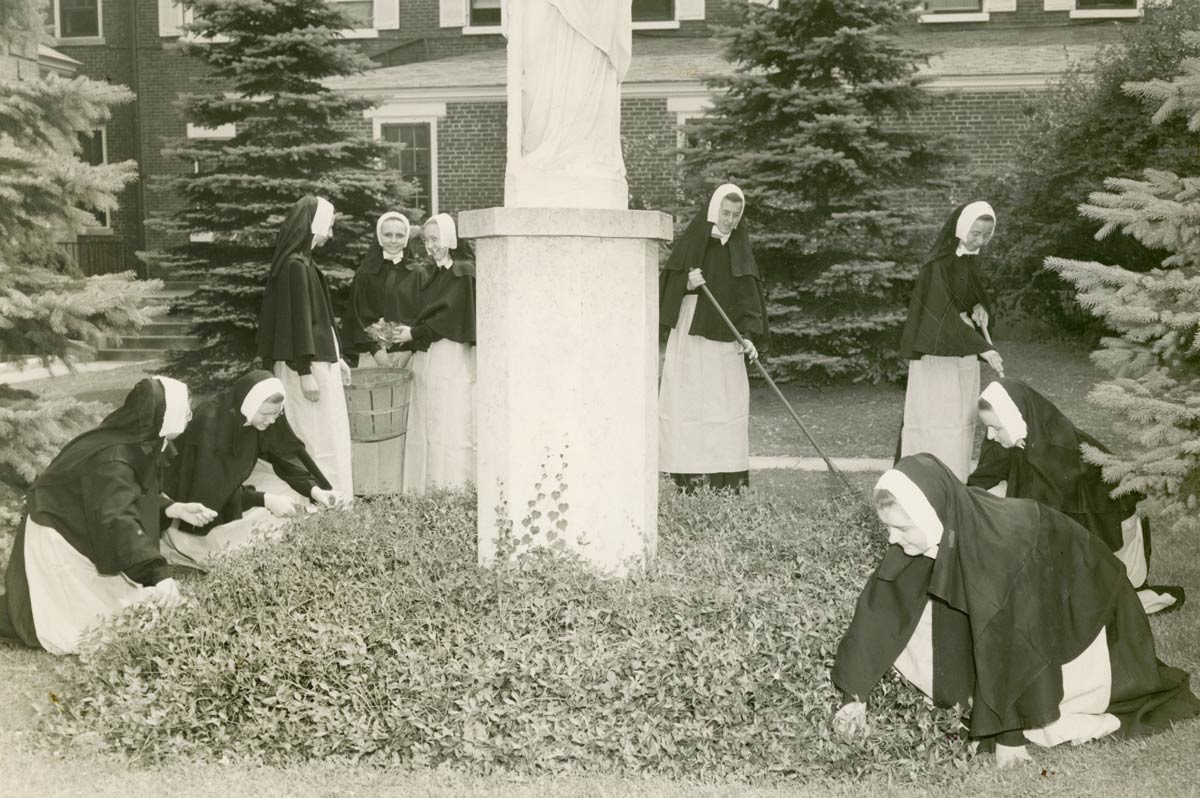
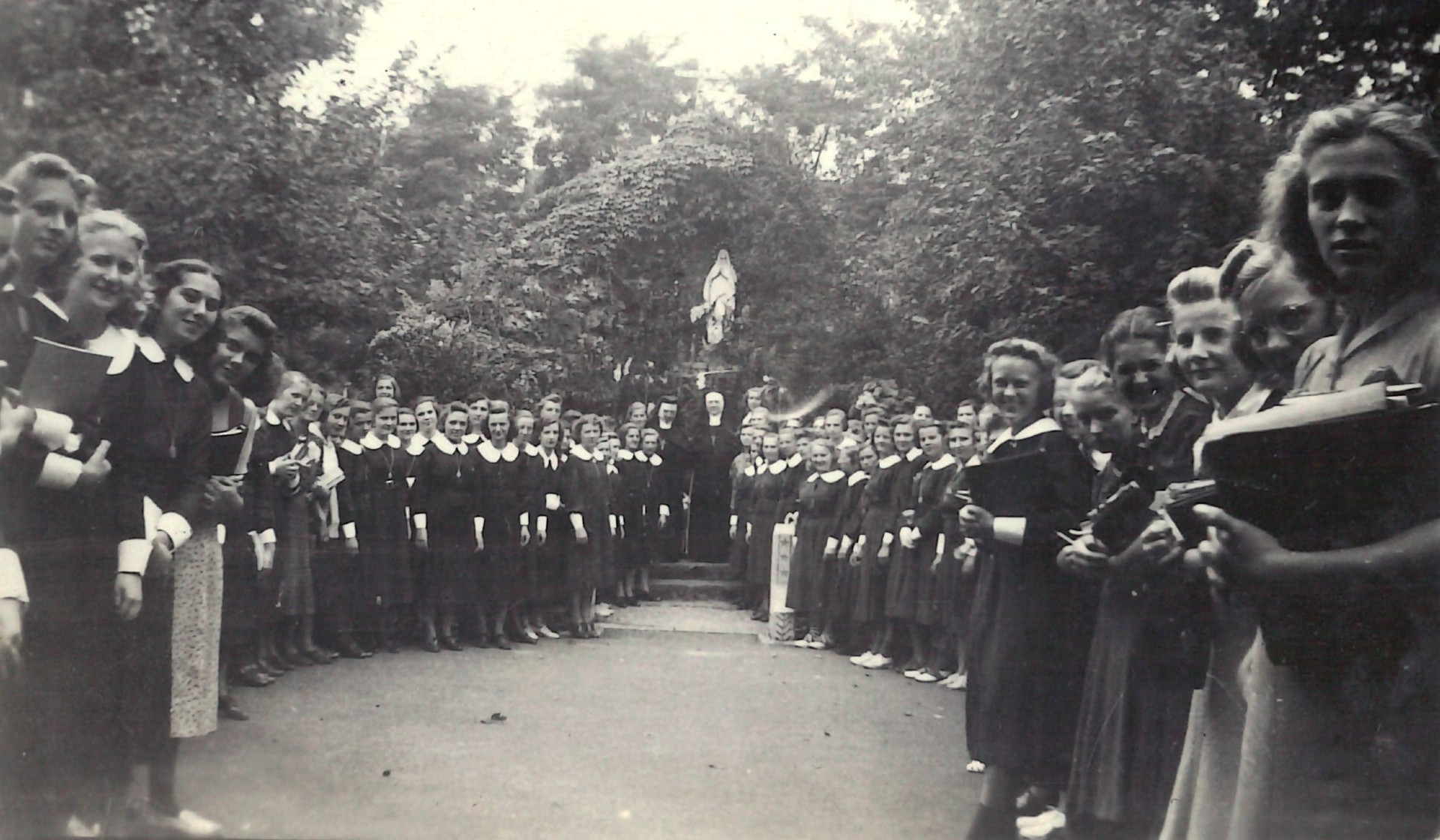
If the woman is already familiar with a women religious community, she may look to spend time with them. This is usually what happens with young women who grew up around sisters as their teachers, caretakers, and/or if they participated in an aspirancy program, like the one the Felician Sisters had. The Felicians' aspirancy program officially ended, in all its forms for all its provinces, by 1973. It largely was the way girls under the age of eighteen entered into the candidacy of the order.
In the aftermath of the aspirancy closing, an experimental candidacy was created and adhered to in the Presentation of the Blessed Virgin Mary Province of Livonia, Michigan. Since the aspirancy in that province closed in the summer of 1969, the new program was implemented in the fall of that year. It replaced the next step of becoming a sister, Postulancy, by having two phases.
“The first phase consisted of one or more years of professional or paraprofessional preparation in residence at Madonna College, and the second consisted of at least one or more years in residence at a local convent.”
- Sister Mary Janice Ziolkowski, CSSF, The Felician Sisters of Livonia, Michigan: First Province in America
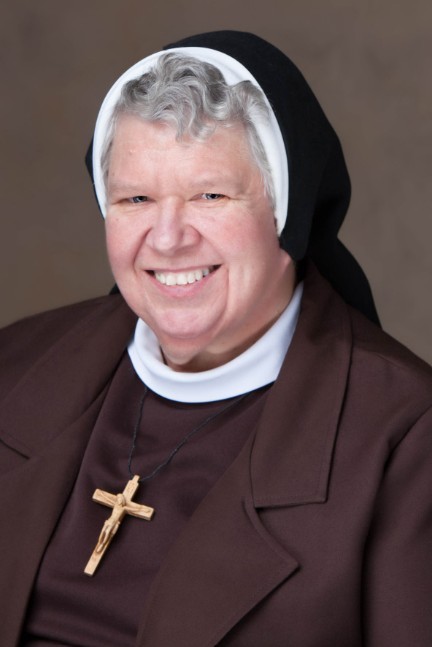
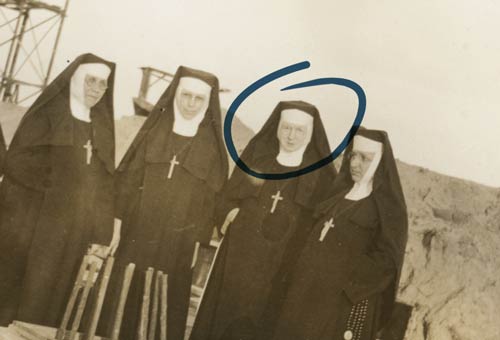
Sr. Victoria Marie (Victoria Indyk), CSSF - b. February 7, 1951, d. April 26, 2020
This new form of the candidacy could last from two to six years before a prospective sister could enter into the next step after postulancy, the novitiate.
Nine candidates participated in this version of the candidacy, with only three completing the program. Only one woman out of those three, a woman by the name Victoria Indyk, went on to complete all the steps of becoming a Felician Sister, taking on the name of Sister Victoria Marie. In fall of 1971, the experimental candidacy program was fully terminated. The steps of becoming a Felician Sister known as Candidacy and Postulancy became reinstated as separate entities.
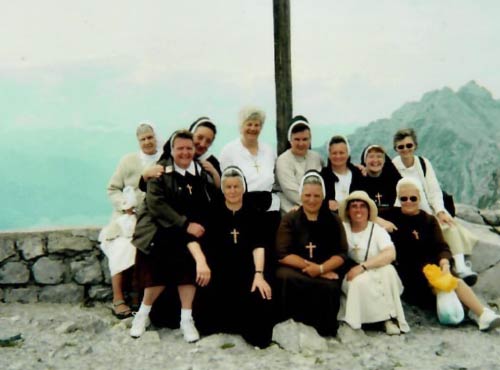
Candidacy now takes the form of “Come and See” weekends, where potential vocations can spend time immersed in communal living for a short period of time as well as interested women becoming live-in affiliates before deciding whether to fully commit themselves. As mentioned, women who already have some kind of tie with sisters from a women religious community often find this process of inquiry easier since they already have an idea of the religious order they may be interested in joining through the examples around them.
Discernment
My experience was different; I didn't know any sisters. In 2008, I was an inquirer, trying to discern if God was calling me to become a sister. So, I needed to visit a number of different sisters and experience the prayer and community lives of their orders.There was one religious community that stood out to me through all my visits to other possible orders I could join, and that order was the Felician Sisters.
Being with the Felicians felt like being home and I wanted to live like them. I remember talking to my spiritual director about all my visits to see them, and he challenged me to take the next step: formal discernment. I asked to be a candidate, so I could be more a part of their lives. I wanted to join in the prayer and ministry of the sisters, to get to know them better.
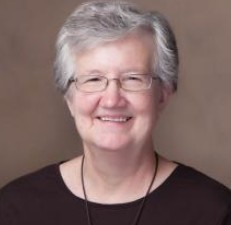
Sr. Maryann Agnes
Surprisingly, I learned that I had a personal connection to S. Maryann Agnes in the form of one of her dietician clients named Arnie. He was the formation person for my local fraternity of the Secular Franciscan Order. I knew him well, as he had prepared me to become a third order Franciscan.
During candidacy, I remember spending time with one of the Felician Sisters in the convent library. We were discussing my discernment process and she encouraged me to ask for a sign. She said that maybe if my name appeared three times on the library book cards in the library's many books, it meant I was called to be a Felician Sister. She remembered that there was a "Sister Carla" (my birth name being Carla) and we searched the books for it. We found it twice. Later, she announced to me that she found it in a third book. It was official!
Prepping for Postulancy

Franciscan Tau Wood Cross, a symbol of St. Francis' order.
At the end of candidacy, S. Maryann Agnes helped me prepare for the next step: postulancy. This is a process that involves doctor's notes and psychological testing. I also wrote an autobiographical essay for the community.
S. Maryann Agnes and, my soon-to-be Postulancy Director, S. Mary Juanita, came to dinner at my mom's house. Part of the process is for the community to meet my family, and we enjoyed a nice meal together. I remember my family being nervous, rather quiet and on their best behavior. It was the first time my family had had sisters over for dinner!
I was a candidate for about a year and it felt like a long one! I was eager to take the next step and felt like candidacy was taking forever. On October 4, 2008, I became a postulant. Entering on the feast day of St. Francis meant a lot to me, and I was excited to live with the sisters. For me, my journey with the order was just starting.
To learn more about the current steps in formation, please visit our Inquiry page and-
Stay tuned for the rest of the Formation series!