Immaculate Heart of Mary

Immaculate Heart of Mary Province

Buffalo, New York

B

uffalo, New York, was home to the fastest-growing Polish community in the United States during the 1880s to the 1920s. Felician Sisters were summoned to teach in Western New York parochial schools as early as 1881. Demand for teachers grew rapidly, as did admissions to their Congregation. 

Having experienced the grueling travel from their Detroit province to Buffalo, and knowing that the Detroit province would eventually be divided, Mother Mary Monica Sybilska determined early that Buffalo would be a logical second province. In 1893, she bought land on William and Kennedy Streets in Cheektowaga, a suburb of Buffalo.  

A complex was built on the site to serve as both a provincial house and a home for children, and for a time, elderly women and men. It also housed aspirants, and during summer months, sisters home from distant teaching assignments. From the beginning, the property was cramped, and as the sisters and orphans increased in number, it became unbearable. 

On August 19, 1900, overseen by Mother Mary Brunona Pydynkowska, Immaculate Heart of Mary Province was officially established. The new province grew to such an extent it was divided again in 1913 to form a province in Lodi, New Jersey, but soon doubled again.

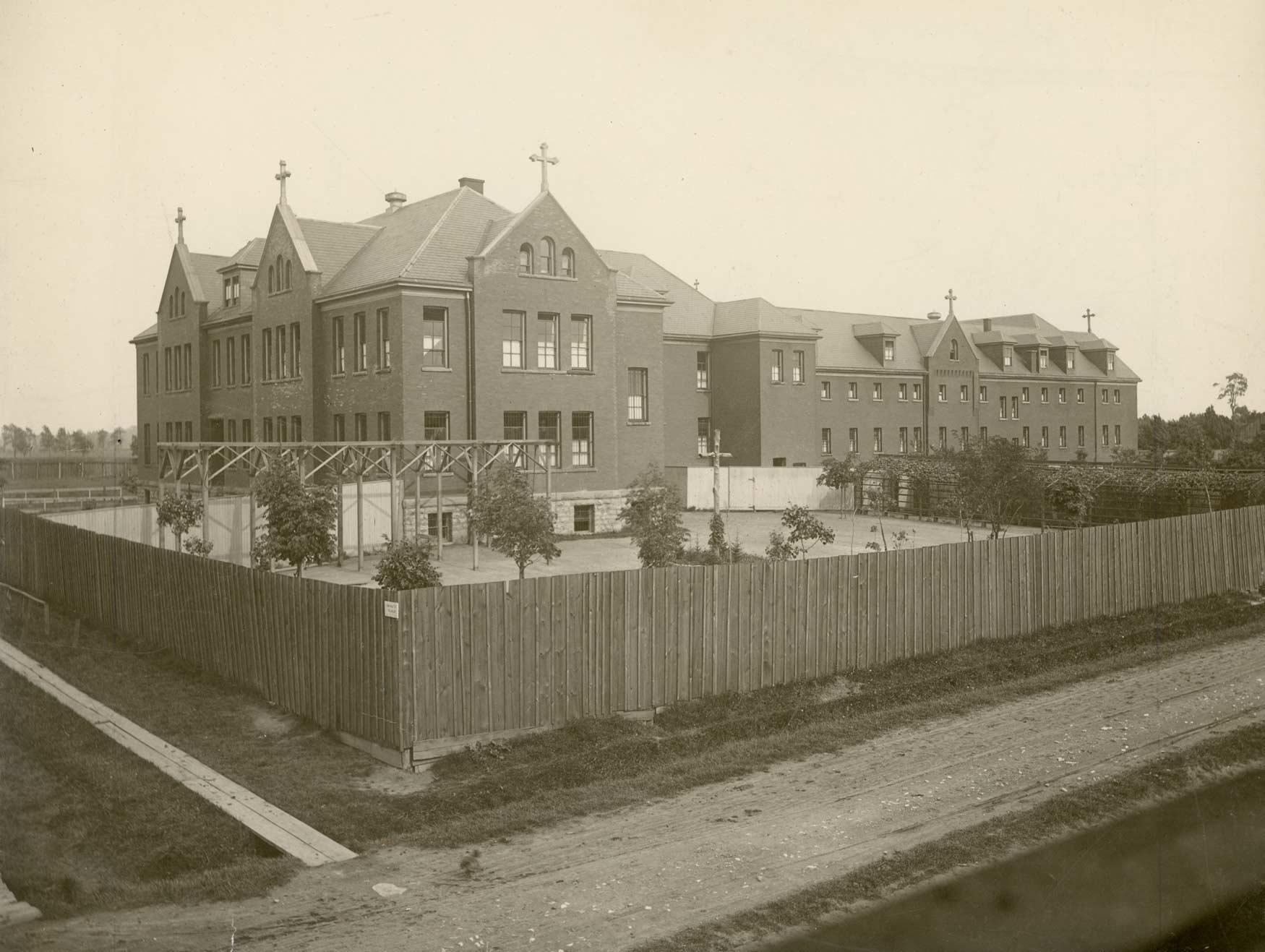
To finally alleviate the chronic lack of space, in 1921, Mother Jerome Schenk purchased a ten-and-a-half-acre property on Pine Ridge Road and Doat Street in Cheektowaga. This location, near the Buffalo city line, was close to many of the schools the sisters taught. The property had an existing two-story frame dwelling that was used as a temporary base of operations while plans were made to build a new provincial house. Inspired to make the new site a center of religious activity inclusive to the public, the sisters had a replica of the Our Lady of Lourdes grotto built on the grounds a year after the purchase.

Mother Angelina Duszynska was responsible for overseeing the construction of the Villa Maria complex based on already drawn blueprints. However, the Superior General was visiting sisters in Chicago who were also working on a provincial house. Impressed with the design, she took the blueprints back to Buffalo for the Villa Maria project.

The dedication of the new provincial headquarters chapel and academy took place on the Feast of Corpus Christi, May 30, 1929.

The Gothic-style building was added to the National Register of Historic Places in 2006. That same year, Villa Maria Academy closed, and in 2023, the building was repurposed as Angela's House to provide affordable housing.


History Books of This Province
Check with the archives for availability.
Journey in Faith, the History of the Immaculate Heart of Mary Province, 1900-1976
By Sister Ellen Marie Kuznicki

Portals to Grace, A History of the Felician Sisters of the Immaculate Heart of Mary Province, 1976-2009
By Sister Mary Joanne Suranni

The Golden Harvest: A Memoir of the Fifty Years of the Immaculate Heart of Mary Province of the Felician Sisters, OSF, 1900-1950
Milestones

1881

Present in Buffalo

Present in Buffalo

Felician Sisters began teaching at St. Stanislaus and numerous other Buffalo area parochial schools for nearly two decades before establishing a province there.

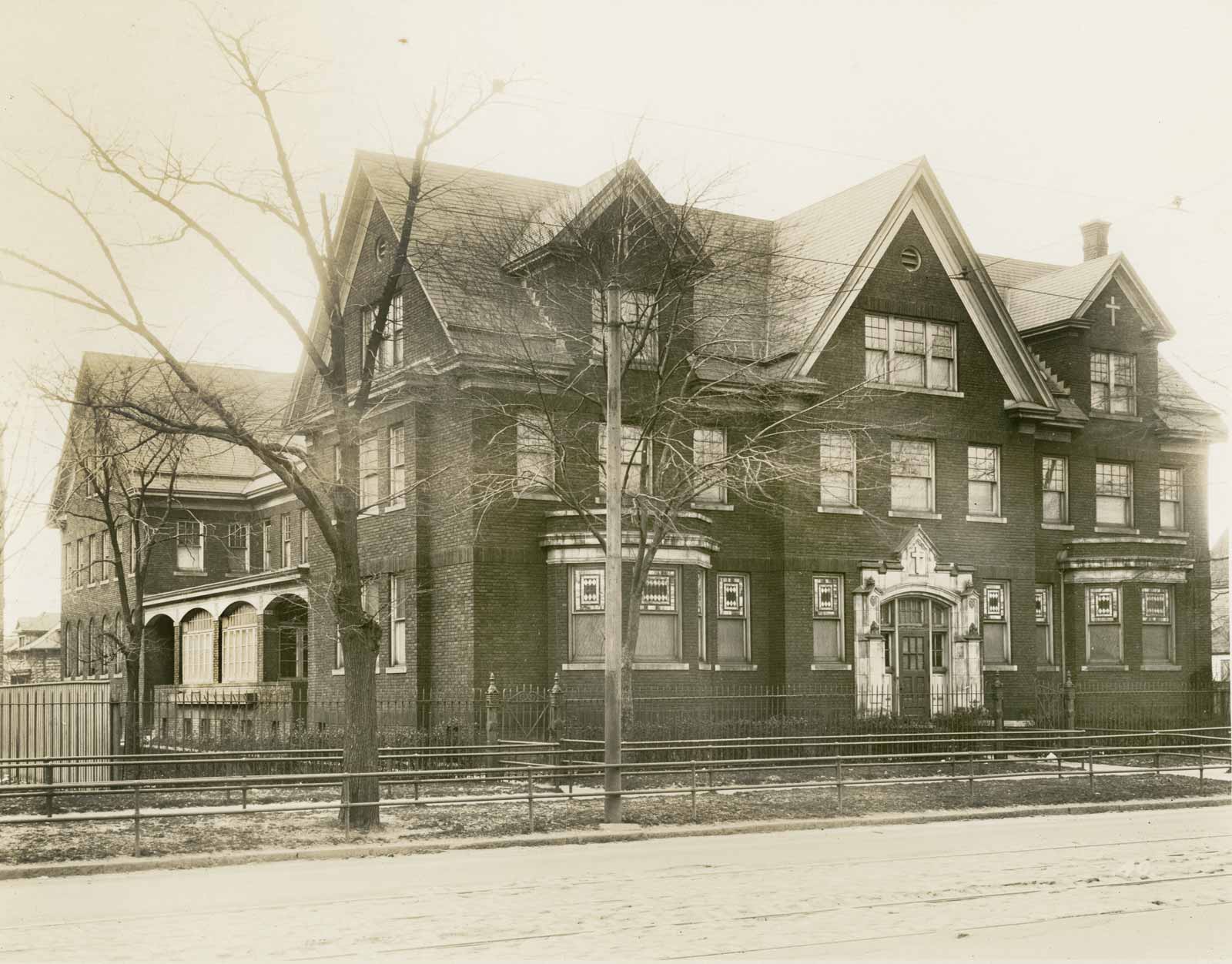
This photo is of St. Stanislaus Convent, where Felician Sisters first resided while teaching St. Stanislaus School.

1895

Established a Home for Children

Established a Home for Children

Built on William and Kennedy Streets, when the orphanage opened, it became home to 54 girls, ages three to thirteen.

1897

Administration of St. Joseph's Patronage for Working Girls

Administration of St. Joseph's Patronage for Working Girls

Informed by their work at an immigration center on Ellis Island, Felician Sisters staffed a building in New York City to provide housing for young immigrant women in the workforce. 

This ministry would transfer to the Immaculate Conception Province in 1909.

1900

Immaculate Heart of Mary Province Founded

Immaculate Heart of Mary Province Founded

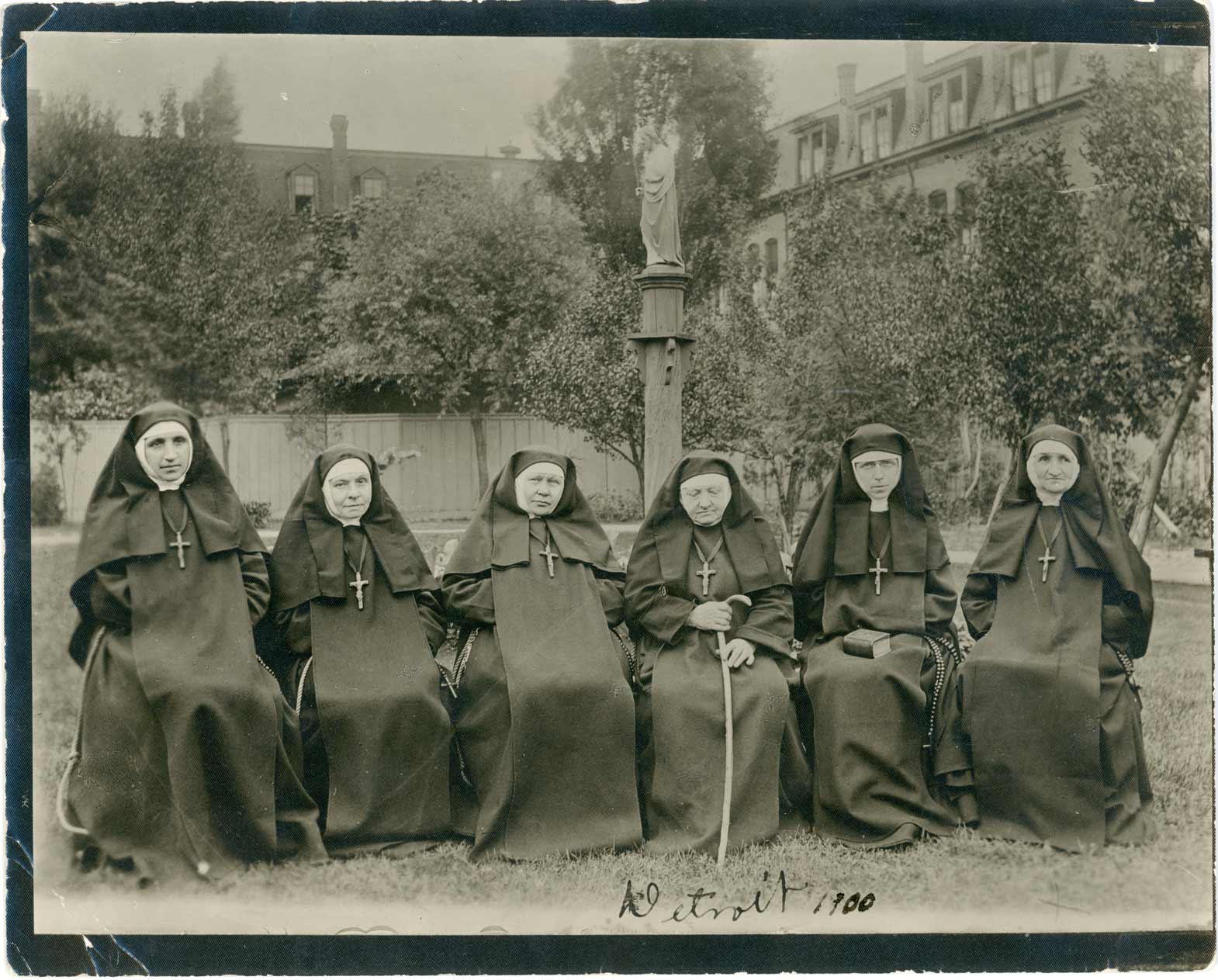
The provincial superior of the Detroit province, Mother Mary Brunona Pydynkowska, divided the province to form a second province in Buffalo on land purchased by Mother Mary Monica Sybilska. Mother Mary Cajetan Jankiewicz was appointed provincial superior in Detroit.

This photo, taken in Detroit in 1909, is of sisters who led the establishment of the second province: MM Catherine Pyterek, MM Wenceslaus Zubrzycka, MM Brunona Pydynkowska, MM Monica Sybilska, MM Bonaventure Stawska, and MM Cajetan Jankiewicz.

1903

Infant Jesus Day Nursery Opens in Buffalo

Infant Jesus Day Nursery Opens in Buffalo
The day nursery was designed to provide quality child care to immigrant families, as both parents typically worked.
1907

St. Felix Home Established

St. Felix Home Established
This boarding home provided a secure living environment for young women laboring in the Buffalo area workforce.
1911

Guardian Angel Day Nursery Opened

Guardian Angel Day Nursery Opened
Created to serve working mothers, the Guardian Angel Day Nursery began with 50 children and charged 5 cents per day.
1918

Villa Maria Academy Founded

Villa Maria Academy Founded
Originally known as the Imaculate Heart of Mary Academy, the school educated the growing aspirancy in Buffalo. By 1929, it was opened to lay women, and the name was changed to Villa Maria Academy.
1929

New Provincial House Constructed on Villa Maria Campus

New Provincial House Constructed on Villa Maria Campus
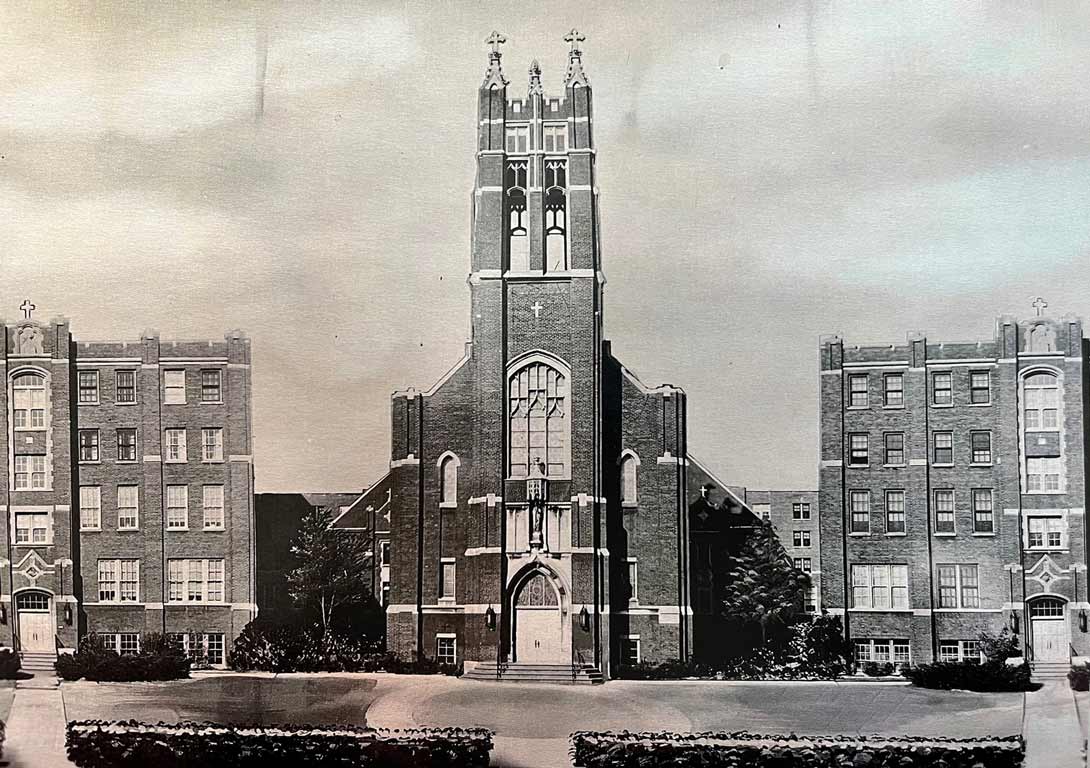
The Gothic Revival E-shaped provincial complex was built on ten and a half acres on Pine Ridge Road and Doat Street in Cheektowaga. The land had been purchased in 1921 by Mother Mary Jerome Schnek, and collectively, the campus buildings became known as Villa Maria.
1938

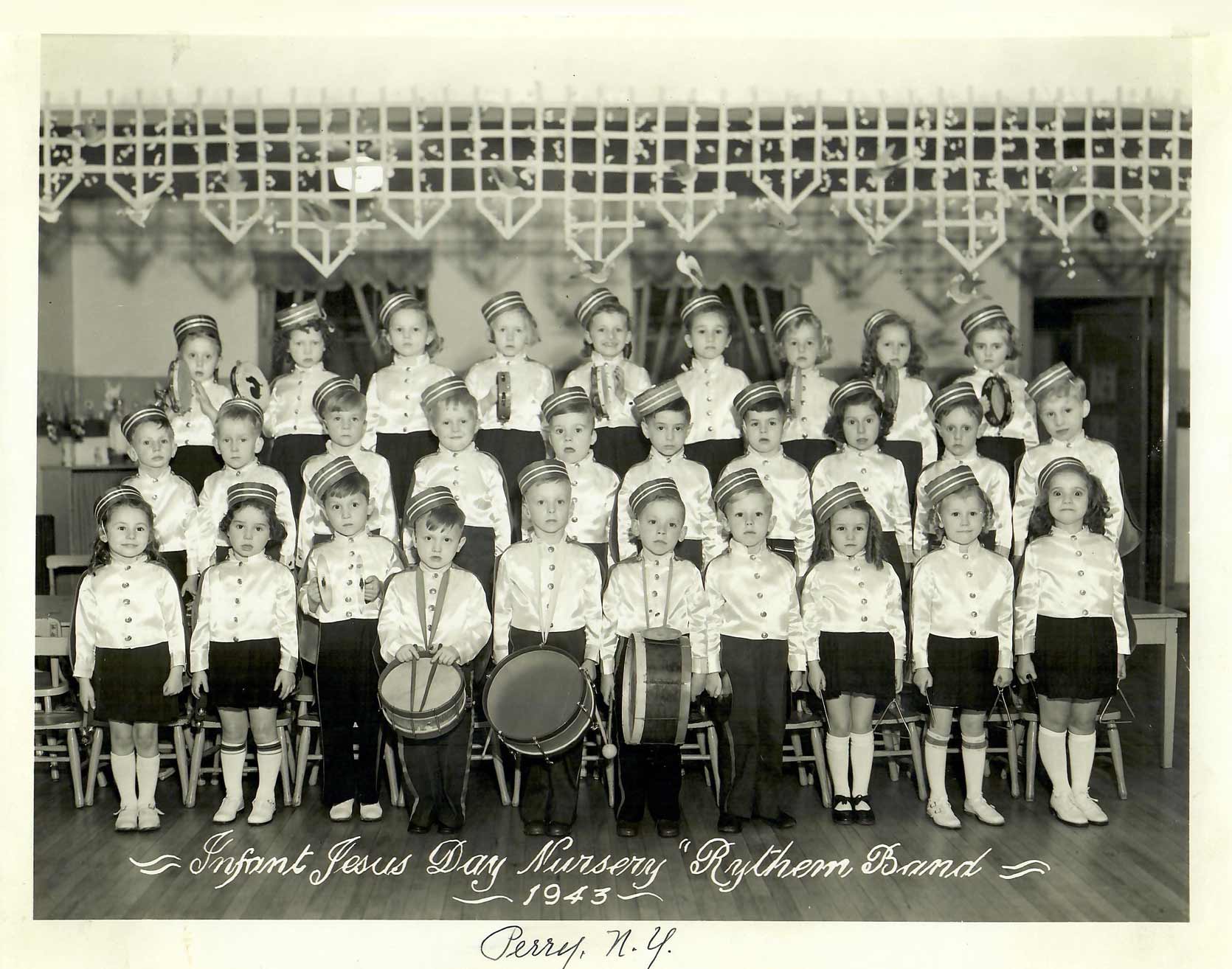
Infant Jesus Day Care Center Opens in Perry

Infant Jesus Day Care Center Opens in Perry
The day care was opened to serve immigrant families who relocated to Perry, NY to labor in the town's knitting mill industry.
1940

St. Rita's Home for Children Founded

St. Rita's Home for Children Founded

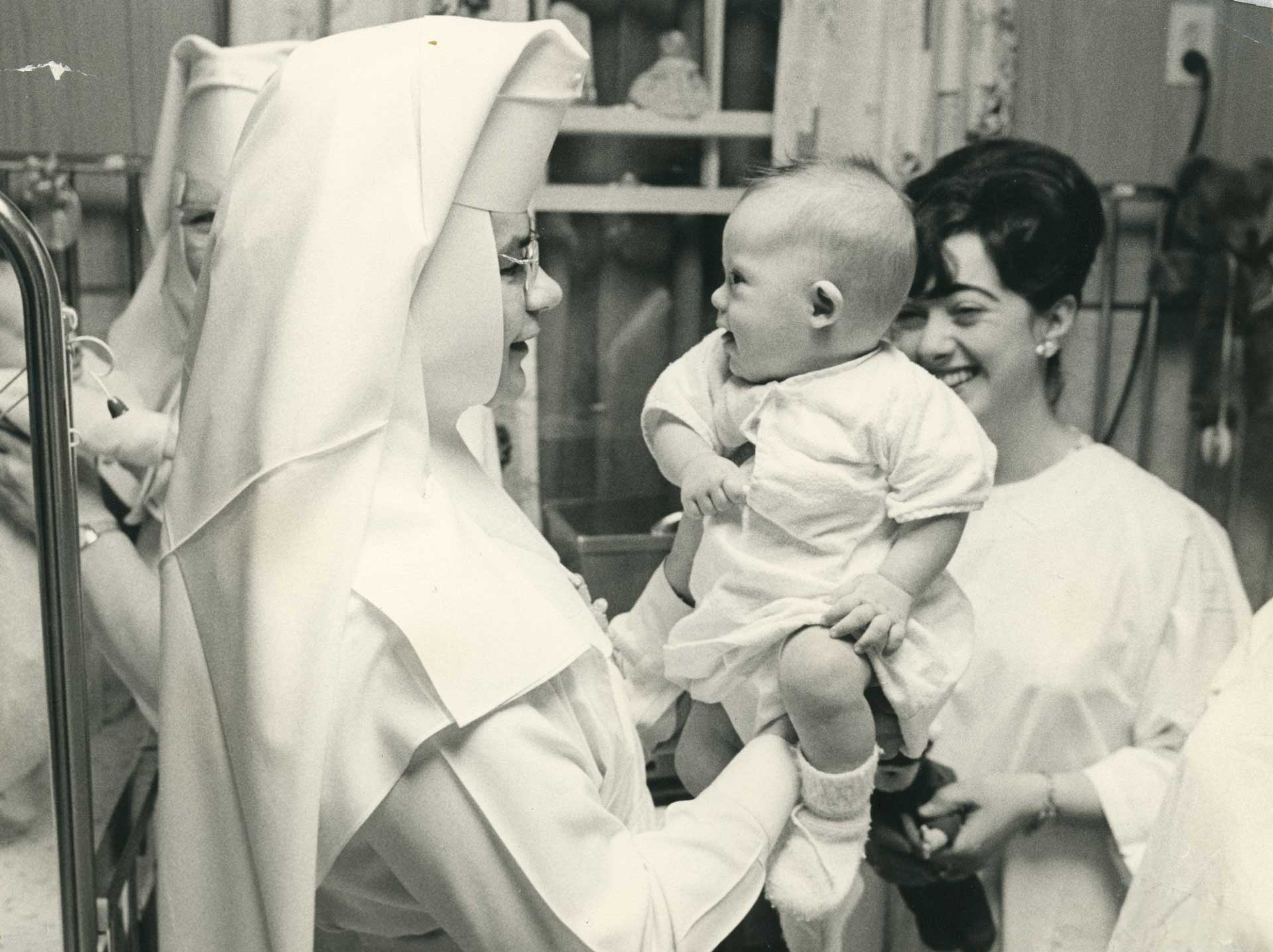
Originally a home for convalescent children, the sisters reconceived it as a full-service, loving home for children with severe disabilities.

The photo is of SM Sebastian Zawodzinsk, a nurse who served at St. Rita's Home for Children.

1950

Mission in Brazil

Mission in Brazil

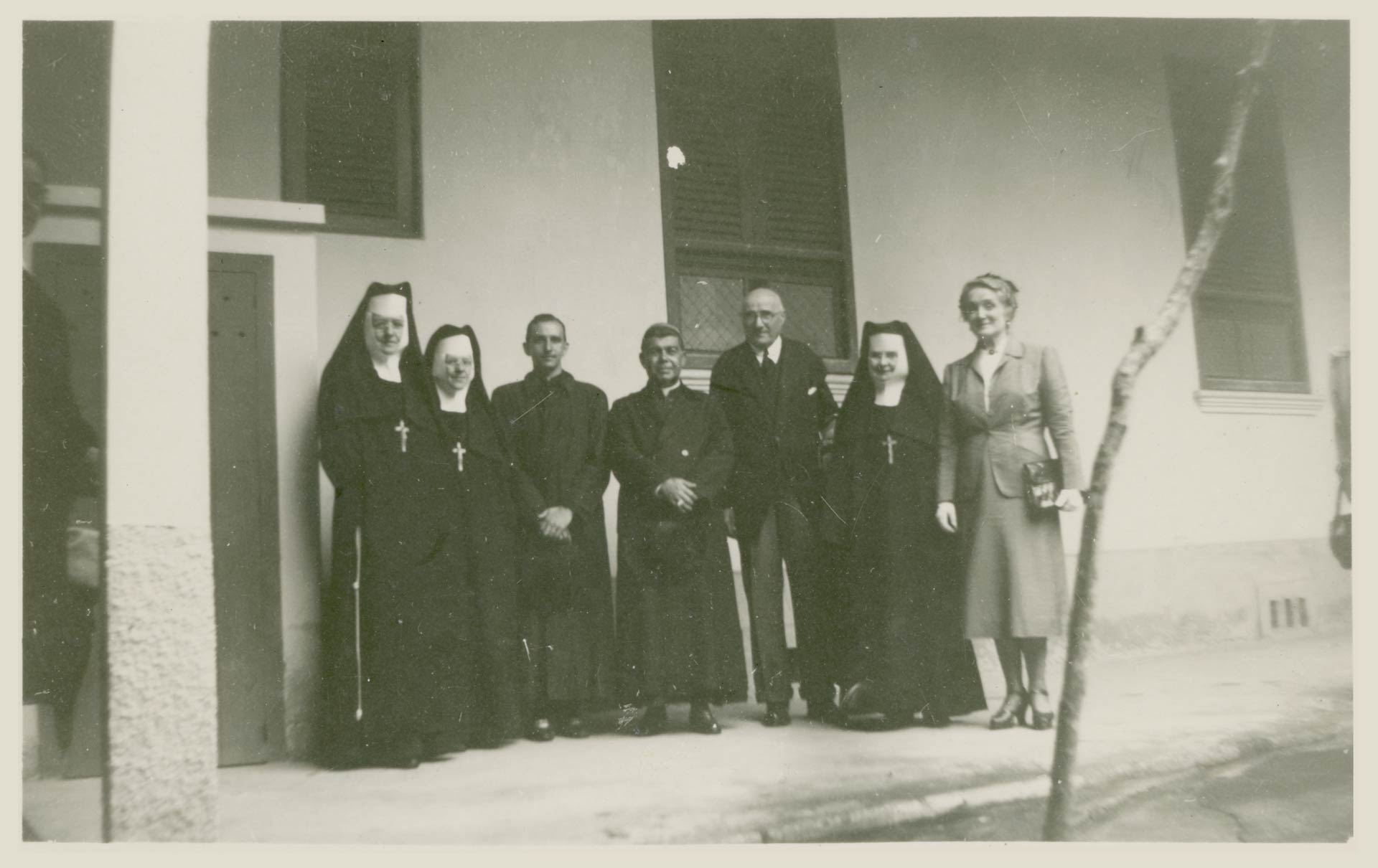
Sisters from Buffalo were the first missioned to Niteroi, Brazil, to educate the children of Polish immigrants, many who fled to Brazil during WWII.

This photo was taken in the first hour of arriving in São Francisco. L-R: SM Gualbert Kazmierczak, SM Dulcilia Rys, the secretary of the bishop, the Bishop of Niterói Dom Antonio, Mr. Nodari, MM Alexis Trojanowska, and Mrs. Nodari.

1956

Cantalician Center for Learning Founded

Cantalician Center for Learning Founded
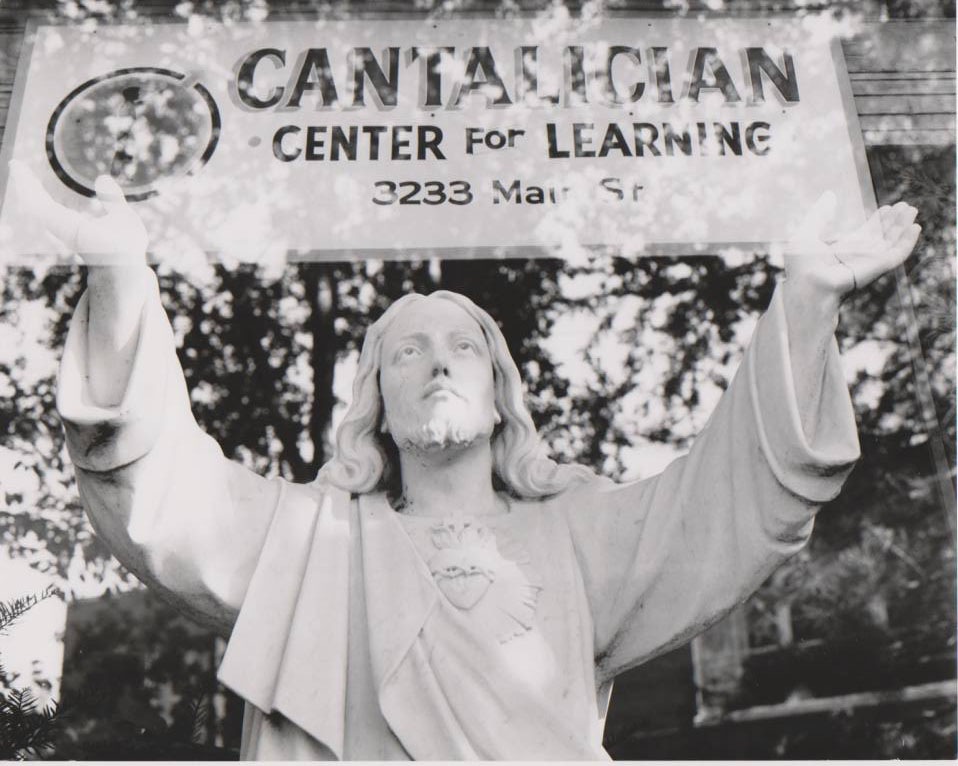
Under the leadership of Sister Mary Angela Betke, the center was created to meet the academic needs of children with developmental disabilities at a time when such schools did not exist.
1956

Villa Maria Institute of Music Opened

Villa Maria Institute of Music Opened

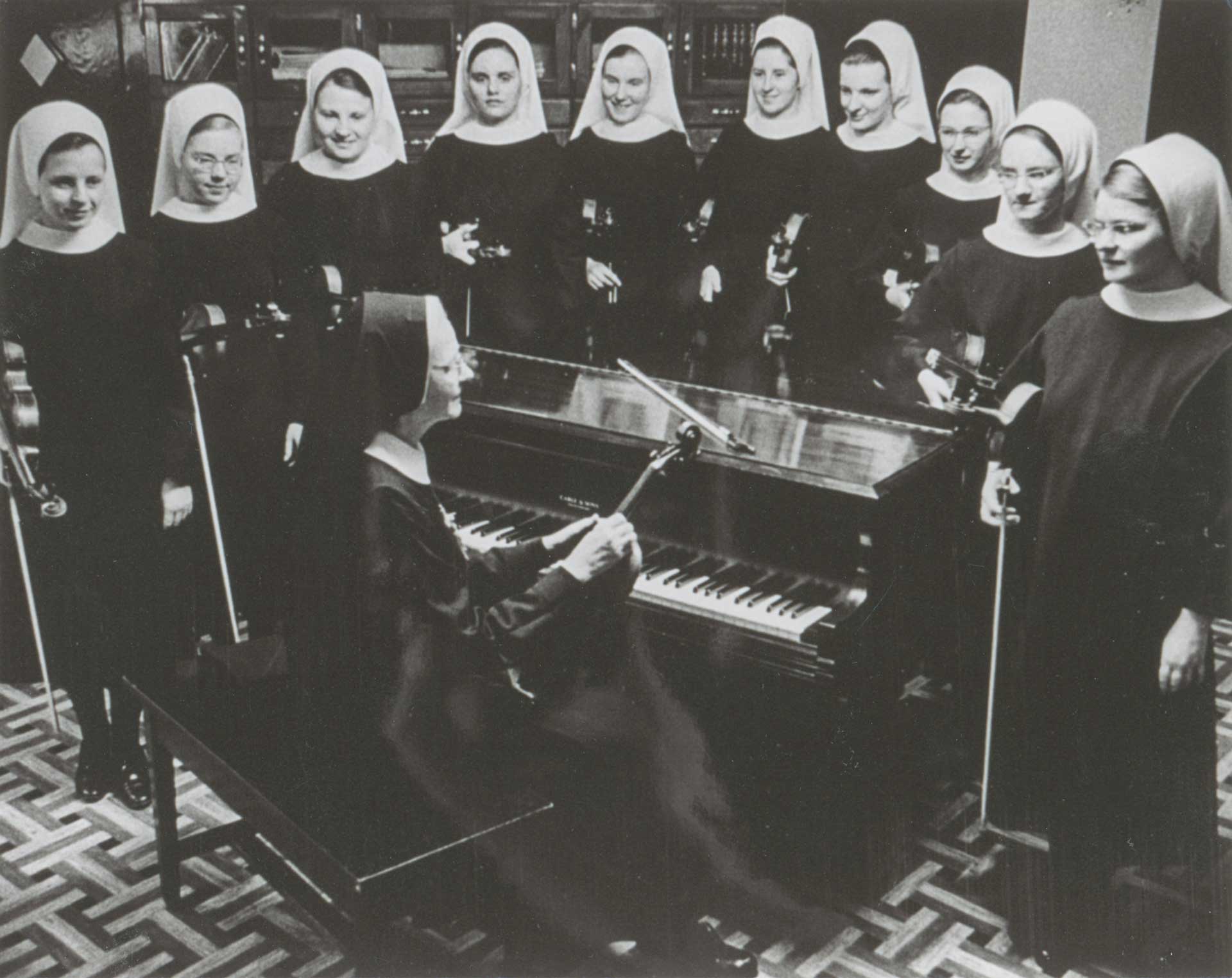
Gifted with professionally-trained and highly-talented music teachers, many students of Villa Maria Institute of Music went on to successful careers in music. Sister Mary Evangeline Pieniaszek and Sister Mary Martinelle Niemic founded the school.

Villa Maria Institute of Music closed in 2008 after nearly 52 years serving the Buffalo area.

1960

Villa Maria College Founded

Villa Maria College Founded
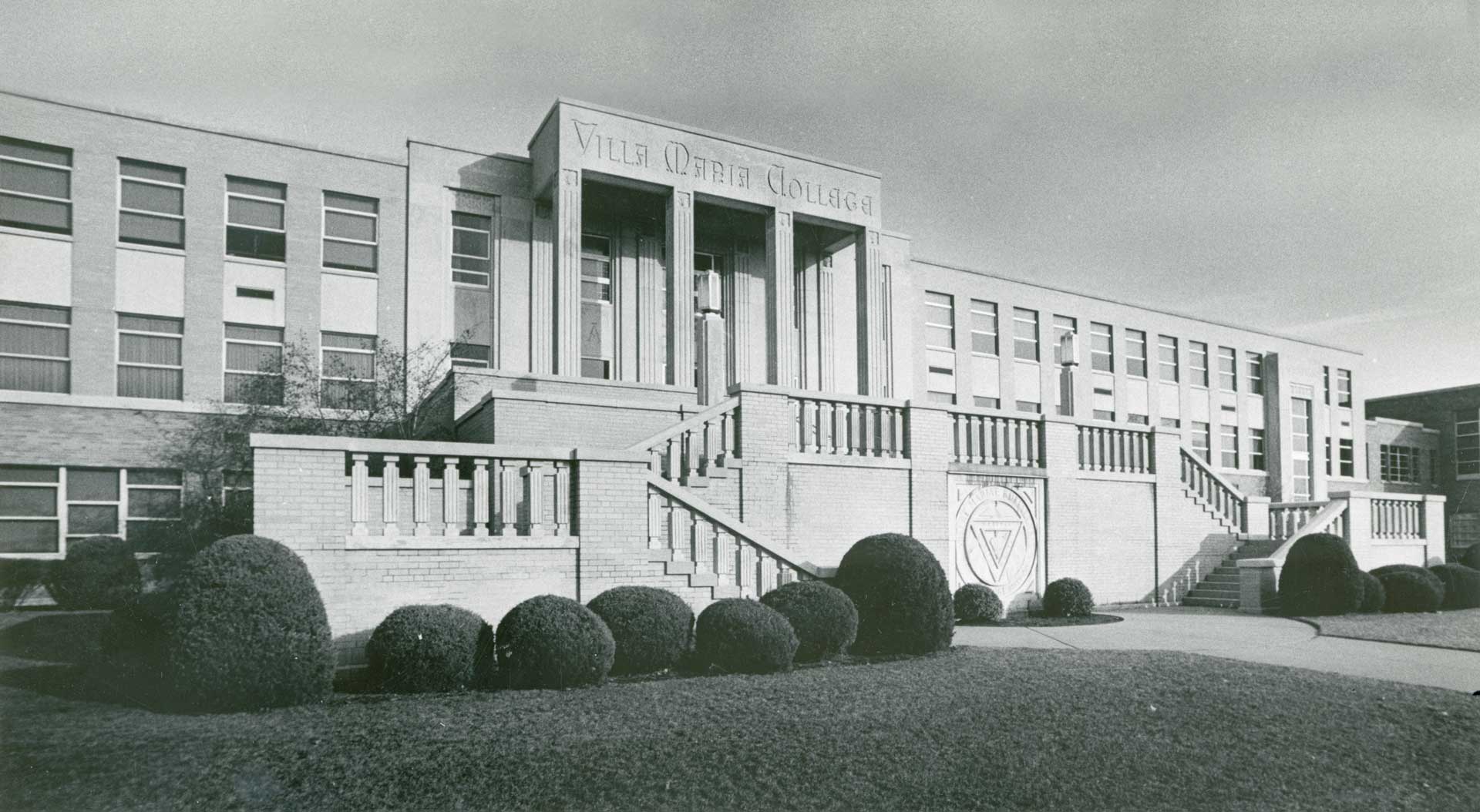
Originally a teacher training college for sisters, the school accepted lay women in 1965 and became coeducational in 1968. Today it is a four-year liberal arts college, granting baccalaureate degrees in an array of disciplines
1984

Miraculous Cure Investigation Opened

Miraculous Cure Investigation Opened
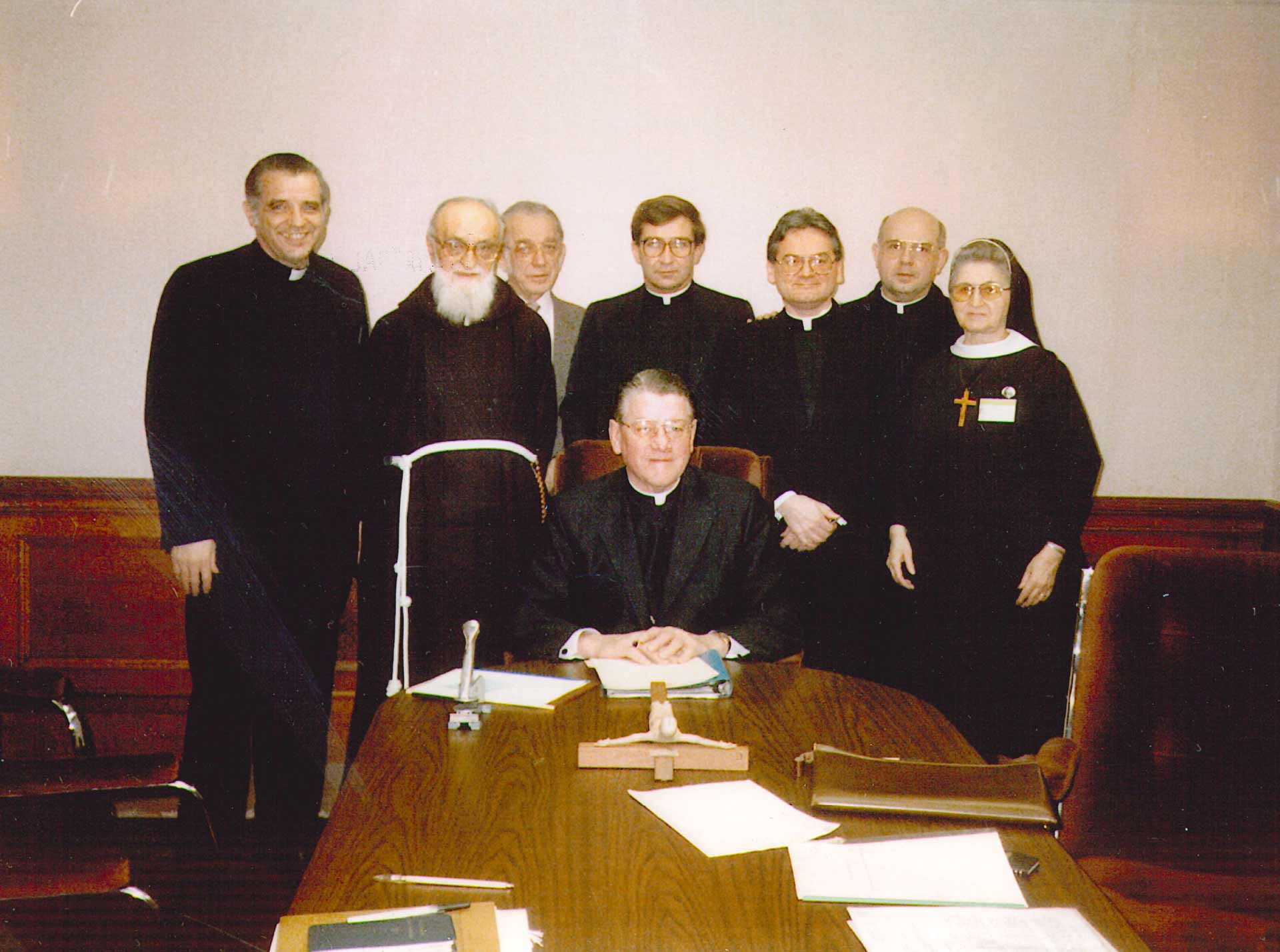
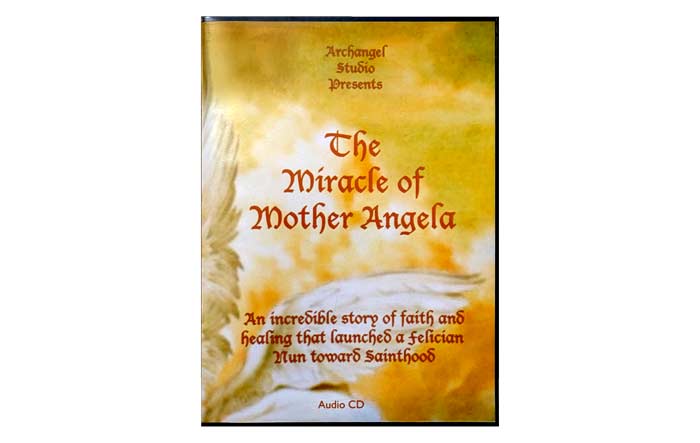
A tribunal was formed after a Buffalo resident's sudden and unexplained restoration of health upon praying to Mother Angela Truszkowska. A nine-year investigation into Mother’s worthiness of beatification ensued. Sister Mary Antonelle Dziechciarz served as Vice Postulator.
1985

Response To Love Center Founded

Response To Love Center Founded
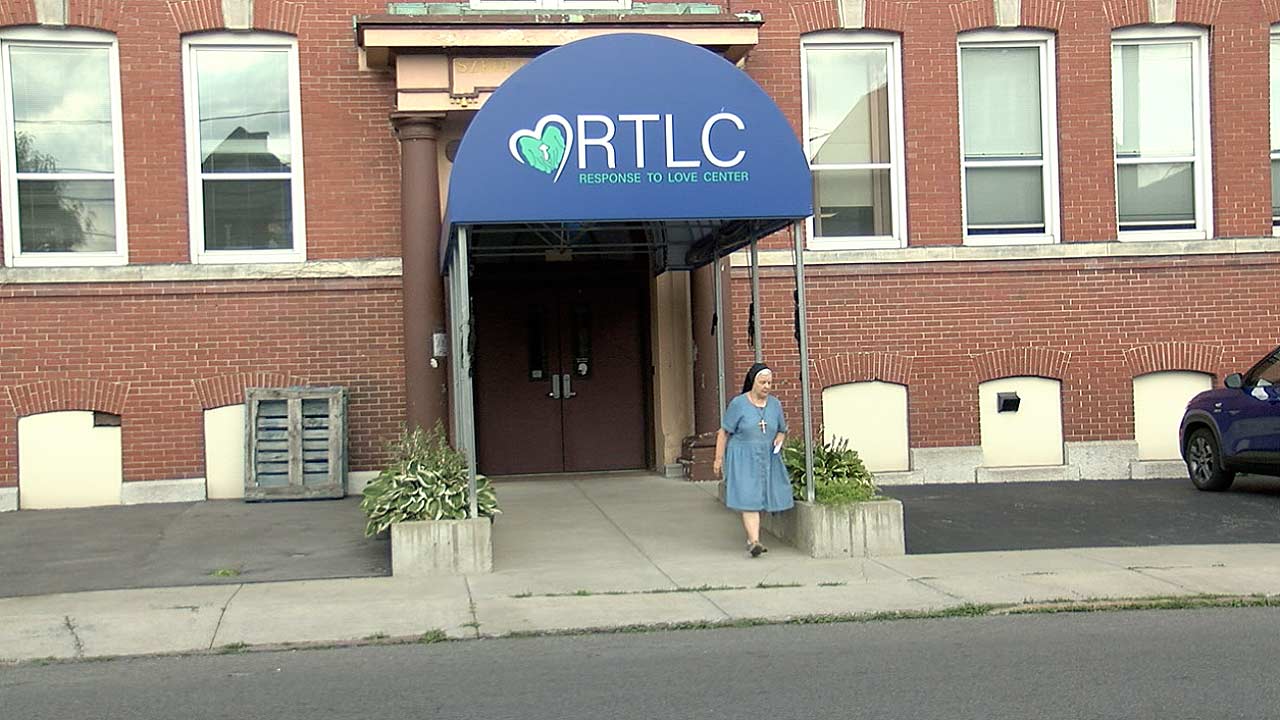
When the 102-year-old St. Adalbert School closed, Felician Sister Mary Johnice Rzadkiewicz led the effort to repurpose the building for a ministry dedicated to uplifting the diverse local community with an array of services.
1986

Sister Mary Josette Food Pantry Begins

Sister Mary Josette Food Pantry Begins
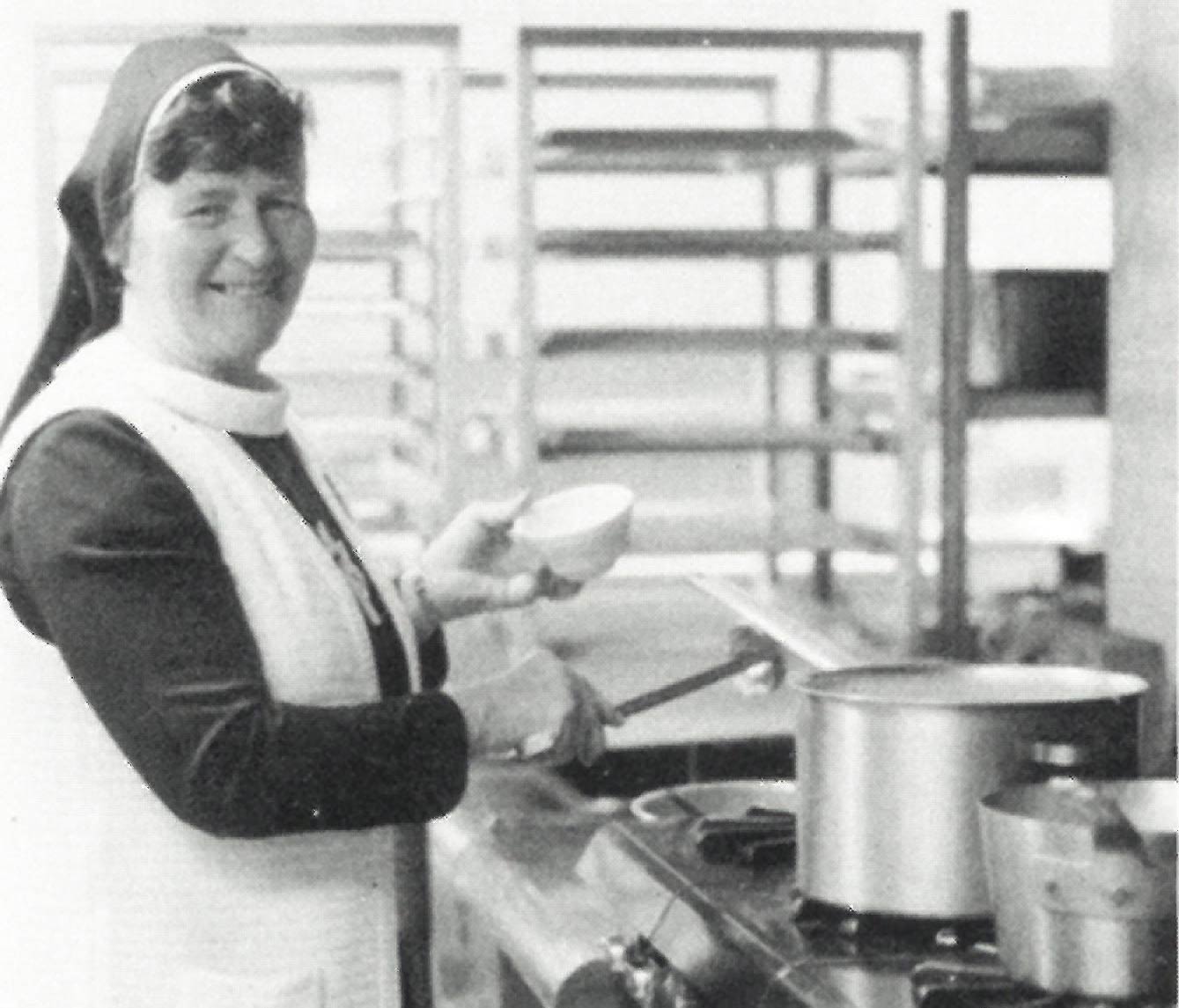
Initially meant to serve Villa Maria College students and staff, Sister Mary Josette Smigliewski's food pantry expanded to become a relied on resource for the local community.
1992

Felician Center Mission

Felician Center Mission
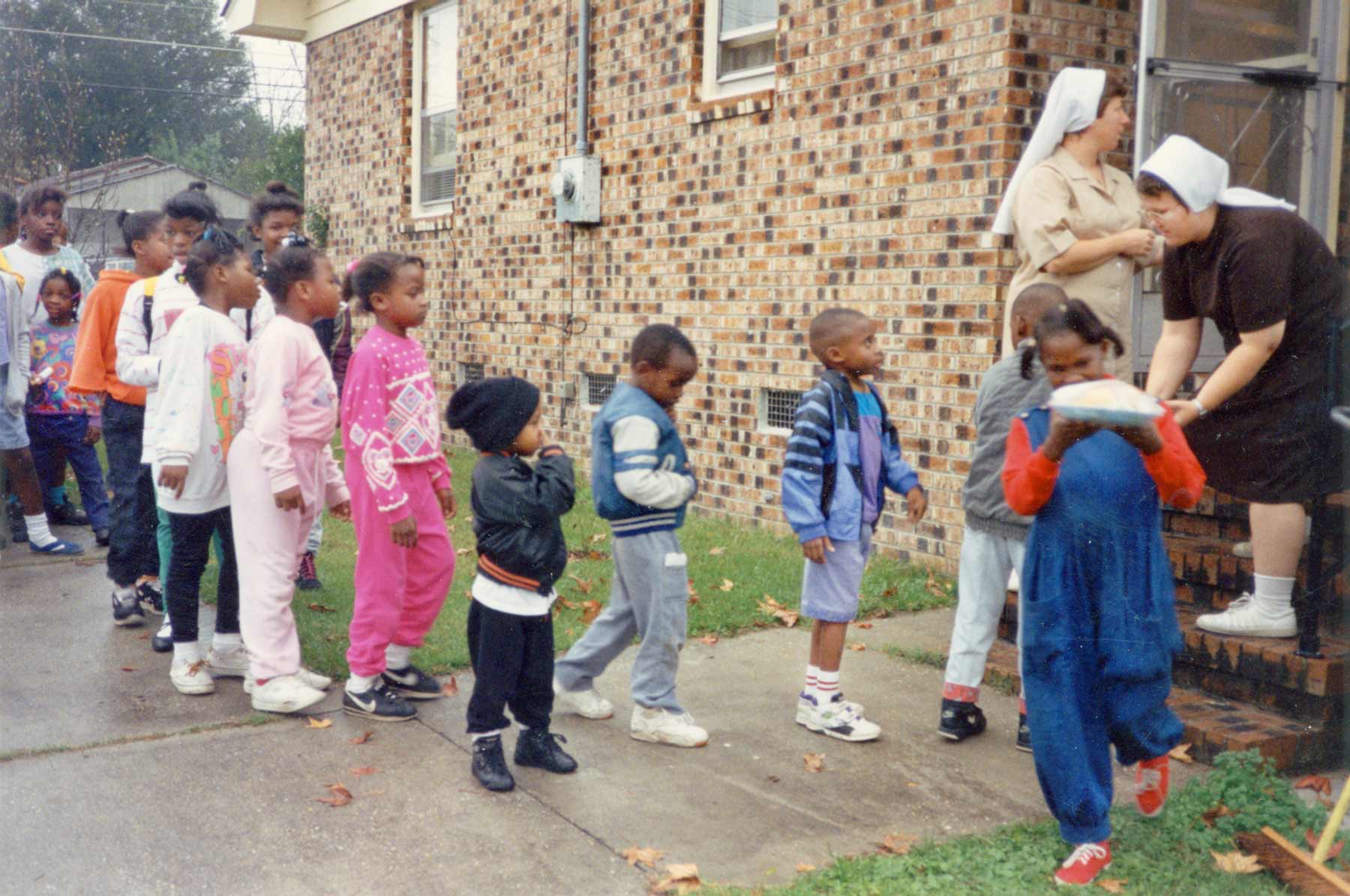
A sister from the Buffalo province joined a sister from Coraopolis to serve a marginalized community in Kingstree, South Carolina. They transformed a once-dangerous neighborhood street into a hub of diversity and ecumenical collaboration as they engaged with the local people to build community and restore the neighborhood.
1993

Beatification of Mother Mary Angela Truszkowska

Beatification of Mother Mary Angela Truszkowska
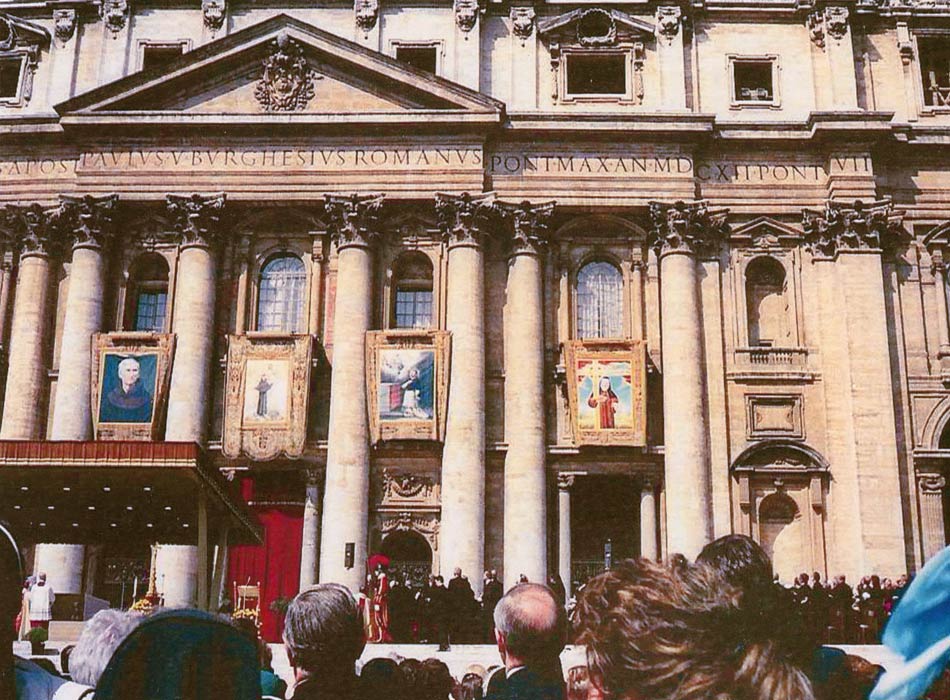
On April 18 in Rome, (Saint) Pope John Paul II beatified the Felician Foundress, granting her the title “Blessed.”
2006

Historic Recognition

Immaculate Heart of Mary Convent was placed on the National Register of Historic Places for its Gothic Revival architecture, its role in education and community development for Polish immigrants, and its representation of Polish cultural heritage in Buffalo's East Side.
2009

Unification of Felician Provinces

Unification of Felician Provinces
All eight Felician provinces in North America united as Our Lady of Hope Province.

From the Archive

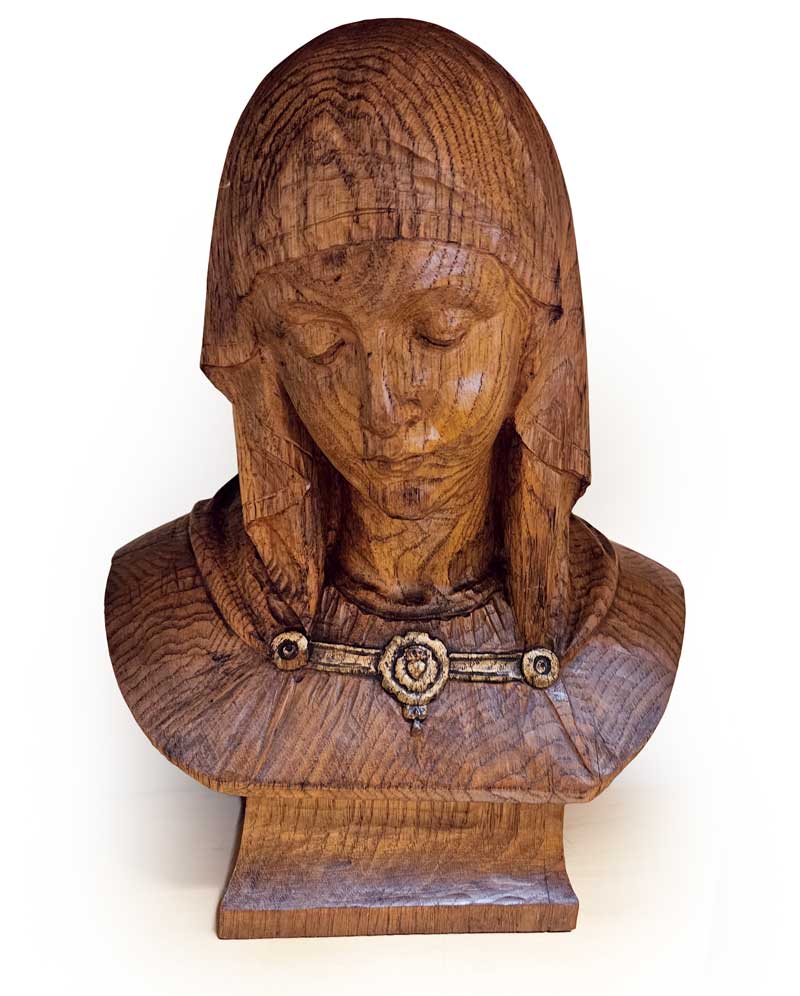
Bust of Our Lady

Bust of Our Lady

This wood-carved bust of Our Lady was part of the first main altar in the temporary chapel of the Immaculate Heart of Mary Orphanage in Cheektowaga, New York.

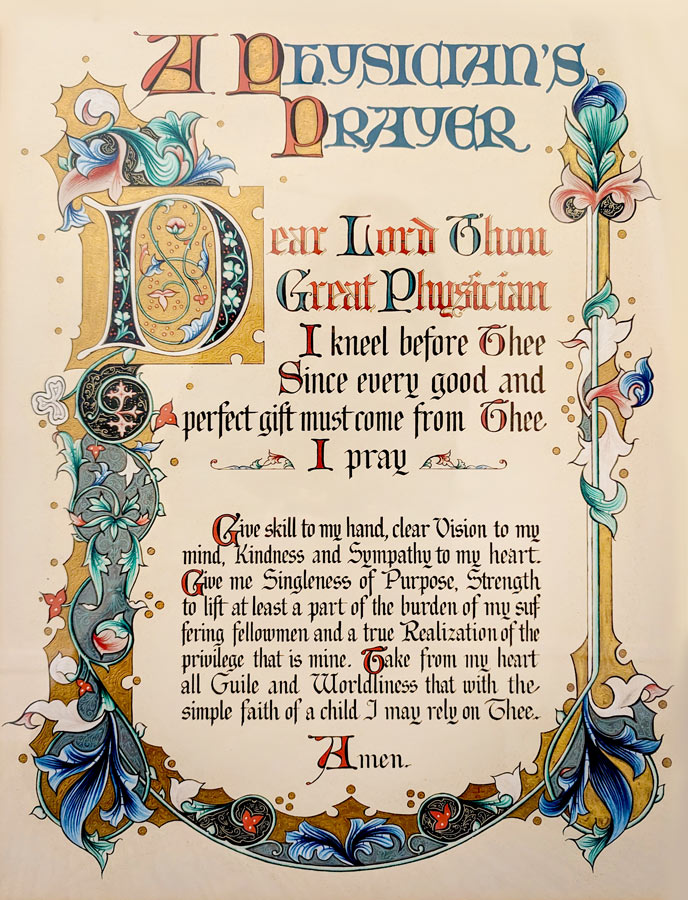
Calligraphic Art

Calligraphic Art

"A Physician's Prayer" is a calligraphic artwork created by Sister Mary Martinelle Niemic whose work was known throughout Western New York.

Cantalician Center for Learning

Cantalician Center for Learning

Three photos of the Cantalician Center for Learning that opened in 1956 in this former seminary on Main Street in Buffalo, New York.

Cornerstone Blessing in Buffalo

Cornerstone Blessing in Buffalo

The blessing of the cornerstone of the Immaculate Heart of Mary Province on July 1, 1928 in Cheektowaga, New York.

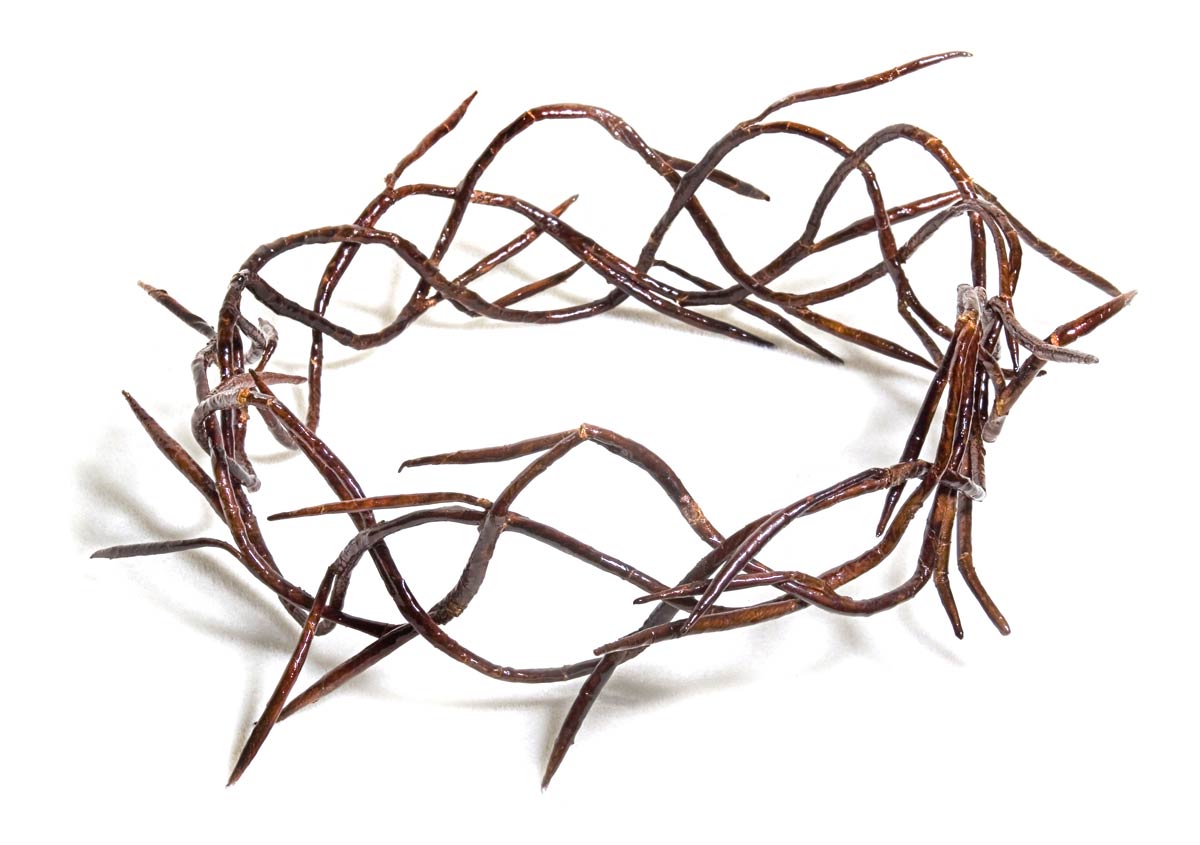
Crown of Thorns

Crown of Thorns

Upon professing her perpetual vows, each sister wore a crown of thorns that she created.

Guardian Angel Day Nursery

Guardian Angel Day Nursery

Under the direction of SM Bridget Dombrowicz, 50 young children attended Guardian Angel Day Nursery for five cents a day in 1911.

Illumination Studio

Illumination Studio

Sister Mary Ann Therese Kelly teaches courses in stained glass in this studio she founded on the Villa Maria campus.

Immaculate Heart of Mary Academy

Immaculate Heart of Mary Academy

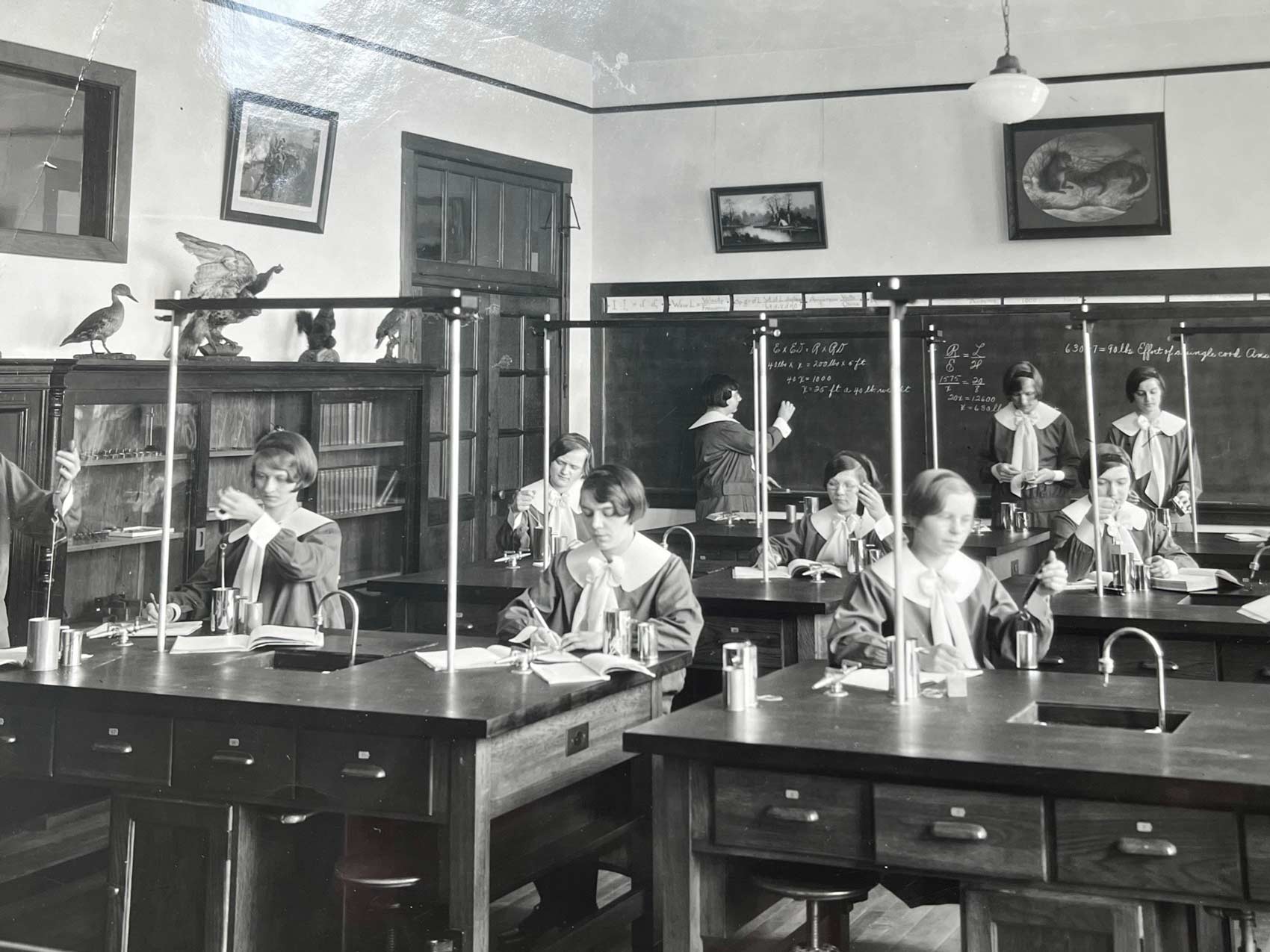
Six early images of the Immaculate Heart of Mary Academy showing aspirants, their dormitory, living area, and classroom.

Immaculate Heart of Mary First Motherhouse

Immaculate Heart of Mary First Motherhouse

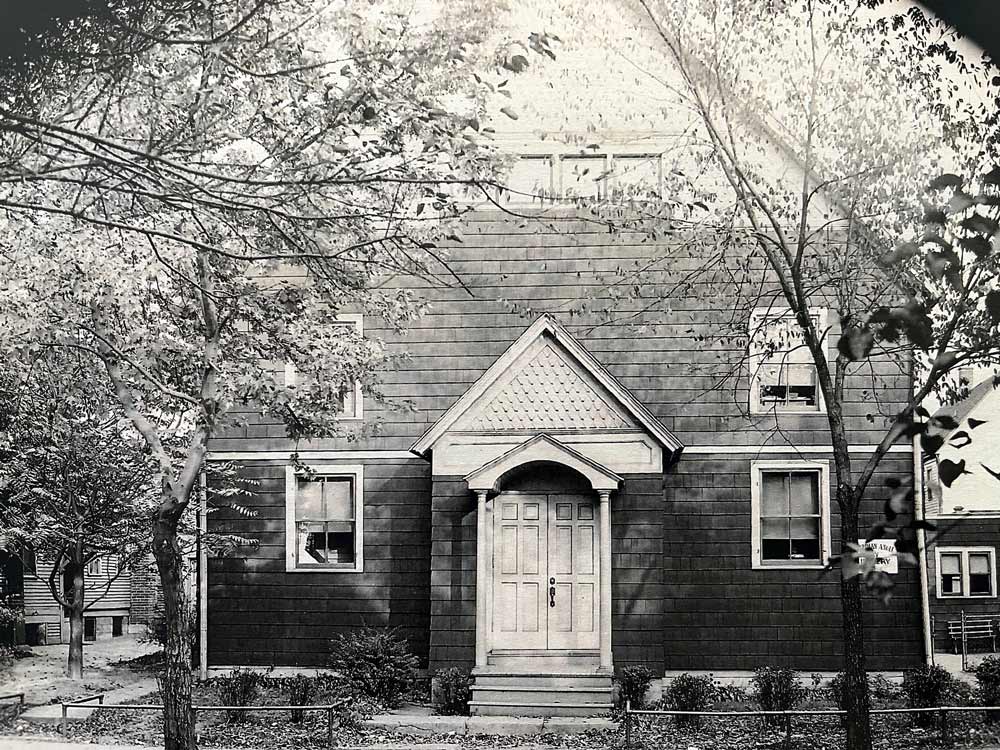
The original Immaculate Heart of Mary Provincial Motherhouse also served as an orphanage.

Immaculate Heart of Mary Home for Children

Immaculate Heart of Mary Home for Children

SM Germaine Wernicki read to children at the Immaculate Heart of Mary Home for Children on William Street and Kennedy Road.

Immaculate Heart of Mary Province Villa Maria campus

Immaculate Heart of Mary Province Villa Maria campus

This photo is of the Immaculate Heart of Mary Motherhouse, built in 1929 on a six-acre plot named Villa Maria in Cheektowaga, New York.

Infant Jesus Day Nursery - Buffalo, NY

Infant Jesus Day Nursery - Buffalo, NY

Between 1903 to 1934, Felicians SM Humilianna Janke and SM Delphine Garczynska cared for up to 160 children a year at the Infant Jesus Day Nursery.

Infant Jesus Day Nursery - Perry, NY

Infant Jesus Day Nursery - Perry, NY

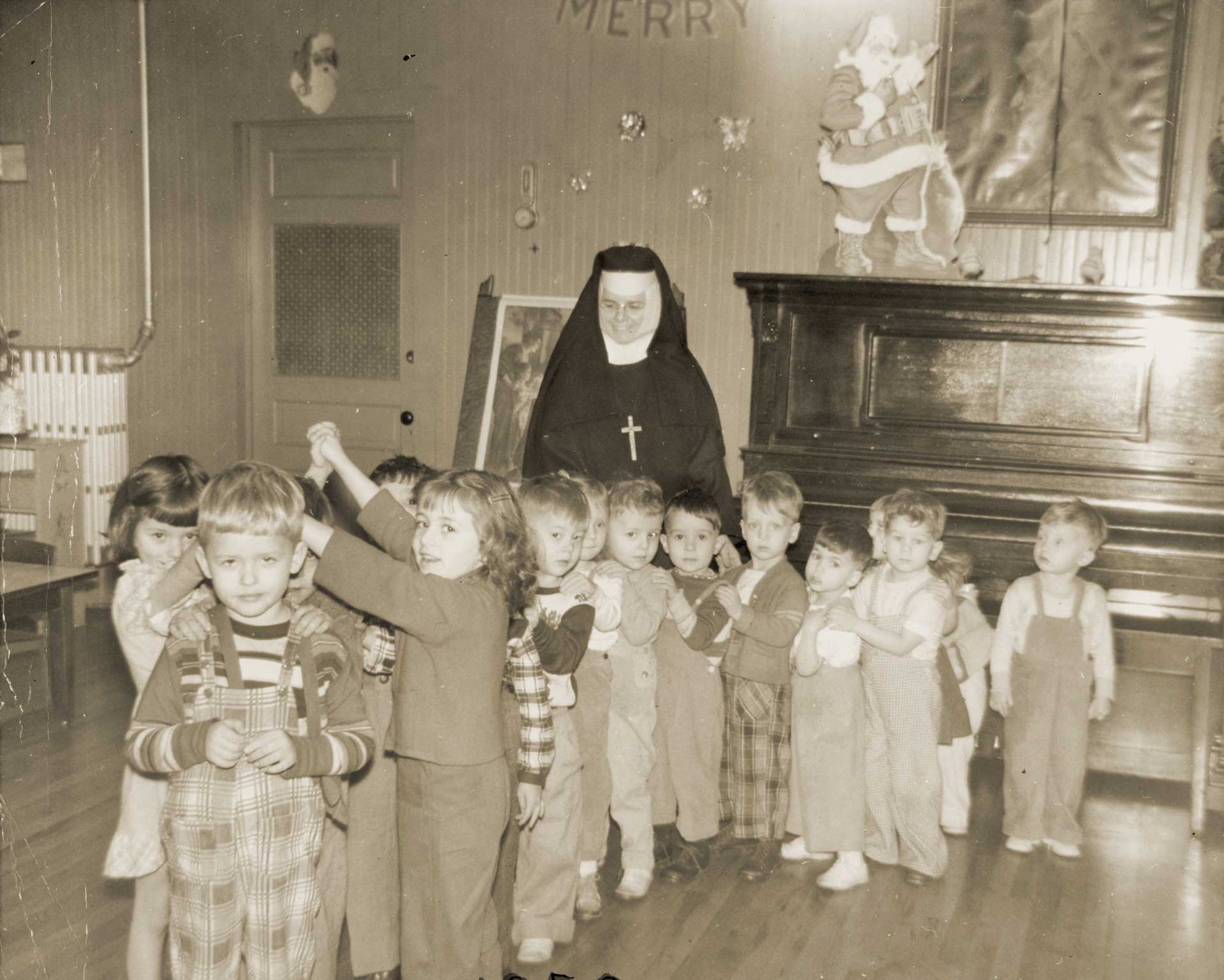
Children from the Infant Jesus Day Nursery posed in 1943 for a Rhythm Band portrait.

Ministry of Redemption

Ministry of Redemption

SM Rosalind Rosolowski at the Attica Correctional Facility where she has served for decades as a chaplain.

Mission in Brazil

Mission in Brazil

In 1950, Superior General Mother Simplicita Nehring missioned two sisters from the Buffalo province to Niteroi. Many North American Felician Sisters followed.

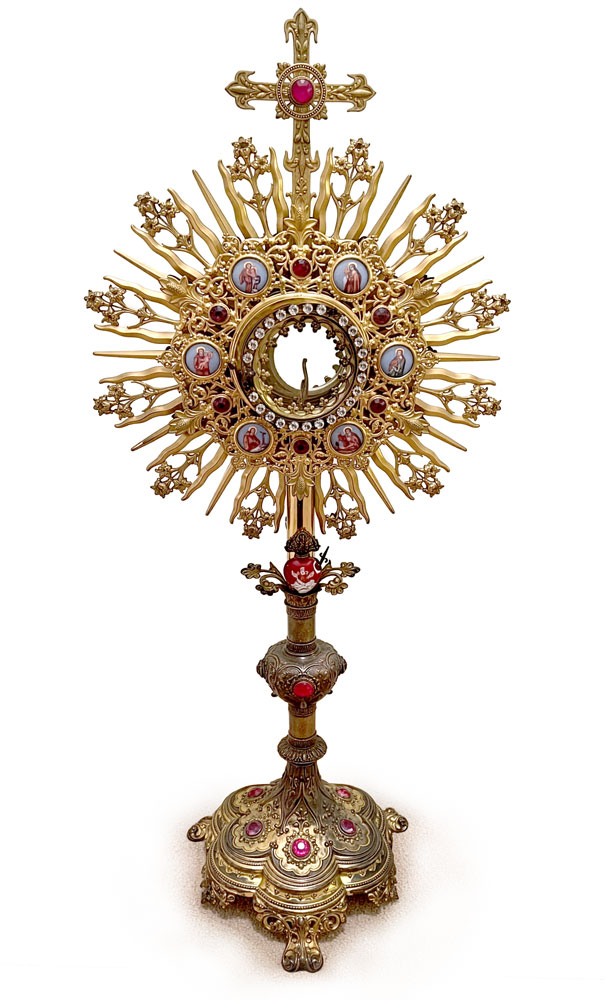
Monstrance

Monstrance

This monstrance was from the chapel in the original provincial house on William Street and Kennedy Road in Buffalo, New York.

Mother Mary Alexander Kucharski

Mother Mary Alexander Kucharski

Mother Mary Alexander Kucharska led the Buffalo province and was named the first commissary of a mission in Brazil. She then served two terms as superior general.

Mother Mary Angelina Duszynska

Mother Mary Angelina Duszynska

Mother Mary Angelina Duszynska served as provincial superior of the Buffalo province from 1926 to 1932.

Mother Mary Annette Guzowski

Mother Mary Annette Guzowski

Mother Mary Annette Guzowski founded Villa Maria College and served as its first president for six years, laying the foundation for a high school that flourished throughout the 20th century.

Mother Mary Brunona Pydynkowska

Mother Mary Brunona Pydynkowska

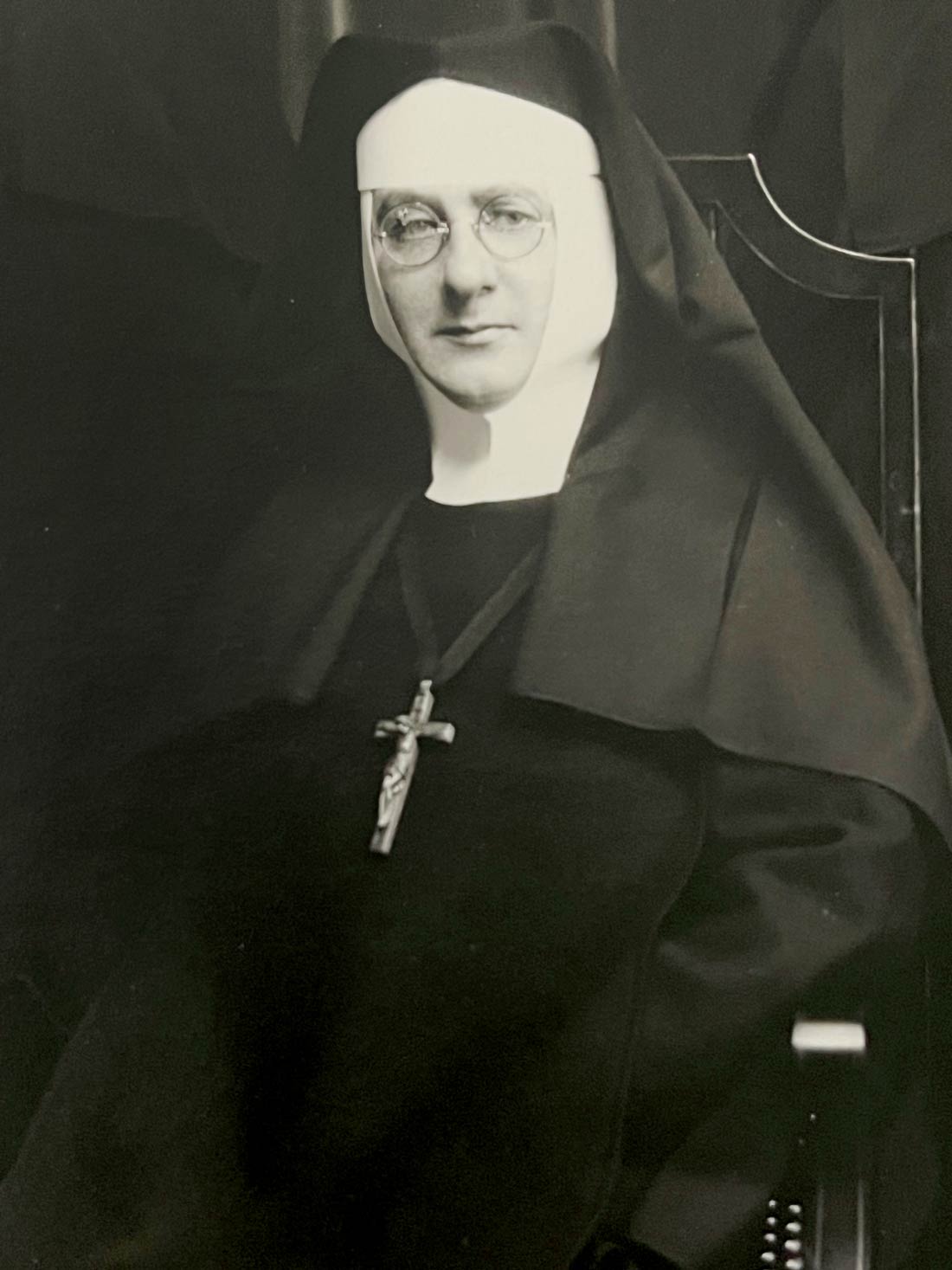
Mother Mary Brunona Pydynkowska was chosen to be the first leader of the second Felician province in North America, formed in Buffalo, New York.

Mother Mary Simplicita Nehring

Mother Mary Simplicita Nehring

Mother Mary Simplicita Nehring led the Buffalo province, then was named provincial superior of Our Lady Queen of Poland Province in Warsaw, Poland, just before the Nazis invaded.

Request Letter

Request Letter

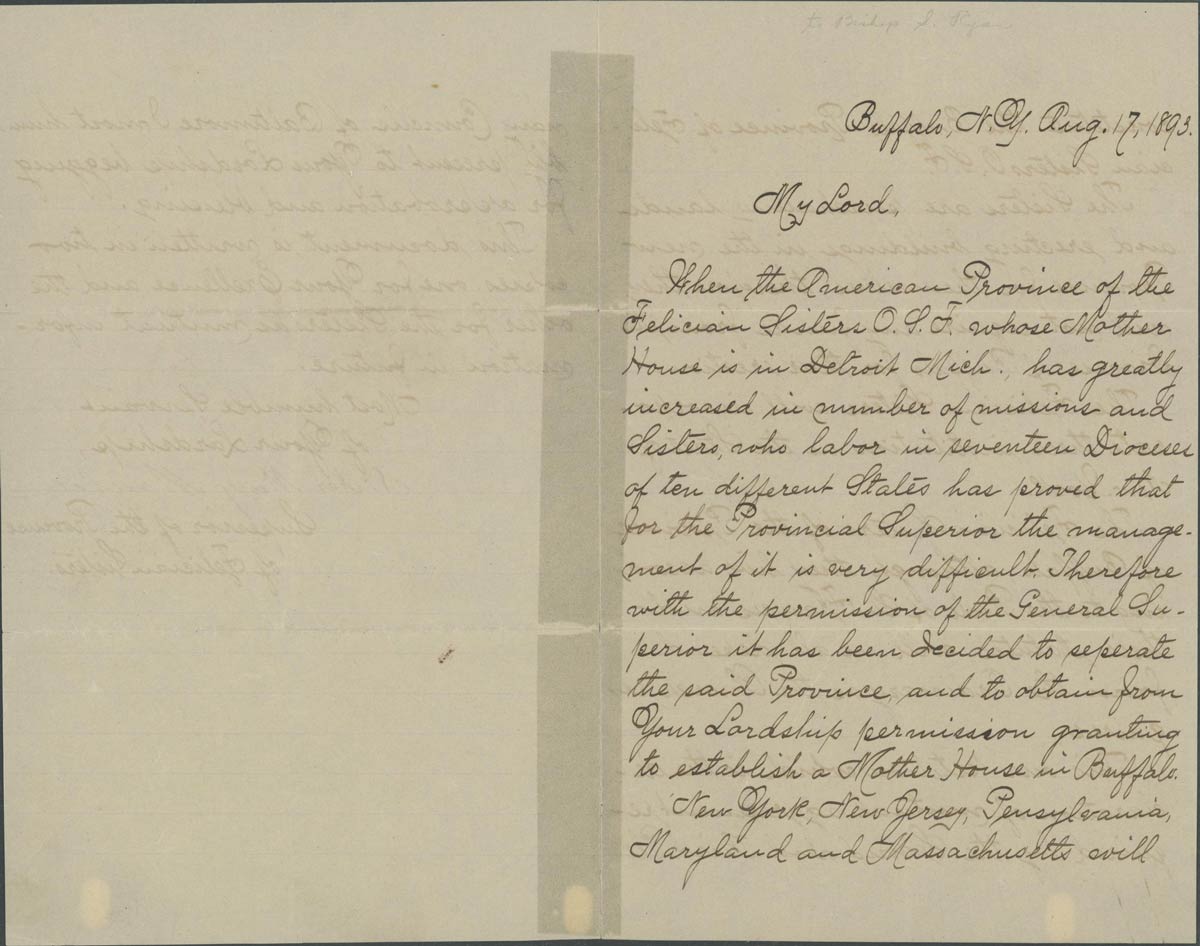
One of two copies of a handwritten letter to the Diocese of Buffalo seeking approval to establish a motherhouse in Buffalo, New York.

Response to Love Center Ministry

Response to Love Center Ministry

SM Johnice Rzadkiewicz enters Response to Love Center, the former St. Adalbert School on Buffalo's East Side, where she founded a ministry to the marginalized.

Sister Mary Josette Smigielski

Sister Mary Josette Smigielski

Sister Mary Josette Smigielski founded a food pantry on the Villa Maria College campus in 1986. The ministry serves more than 10,000 individuals yearly from beyond the campus.

Sister Mary Wenceslaus Zubrycka

Sister Mary Wenceslaus Zubrycka

Sister Mary Wenceslaus Zubrycka was one of the five original Felician Sisters missioned to North America.

St. Casimir Catechism

St. Casimir Catechism

Sisters arrive at St. Casimir in Endicott, New York to teach catechism in 1949.

St. Felix Home for Working Women

St. Felix Home for Working Women

St. Felix Home for Working Women was established in 1907 as a boarding home for working women in Buffalo, NY.

St. Rita's Home for Children

St. Rita's Home for Children

Four photos of St. Rita's Home for Children, the Felician ministry for intellectually and physically disabled children, in Getzville, New York.

St. Stanislaus Parish convent

St. Stanislaus Parish convent

The St. Stanislaus Parish convent, where the first Felician Sisters in Buffalo resided in 1881 after being summoned by Rev. John Pitass to begin a teaching ministry.

St. Stanislaus School

St. Stanislaus School

S Therese Ann Parobek at St. Stanislaus School where she served for 23 years as both a teacher and principal.

Tabernacle Door

Tabernacle Door

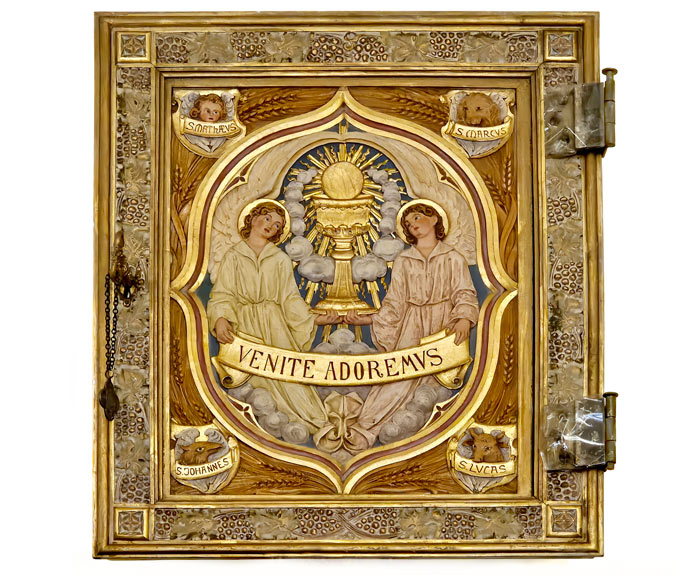
This tabernacle door was from the chapel in the original provincial house on William Street and Kennedy Road.

Triptych

Triptych

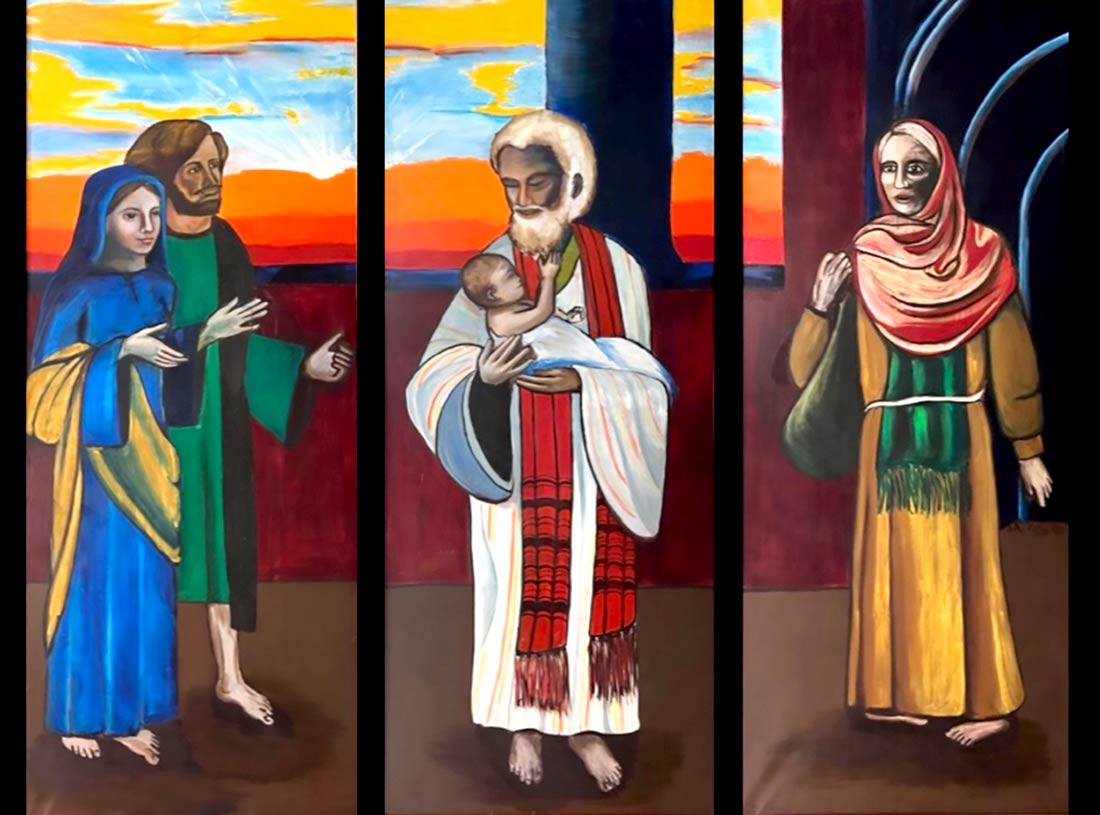
This three-panel oil on canvas depiction of the Presentation of Jesus in the Temple was created by Sister Ann Therese Kelly.

Villa Maria College

Villa Maria College

Villa Maria College was constructed on the Villa Maria campus in 1964, having evolved from a teacher-training school for sisters to a coeducational, liberal arts college.

Villa Maria Institute of Music

Villa Maria Institute of Music

SM Evangeline Pieniaszek, Supervisor of Music in the Diocese of Buffalo, founded the legendary Villa Maria Institute of Music in 1956.

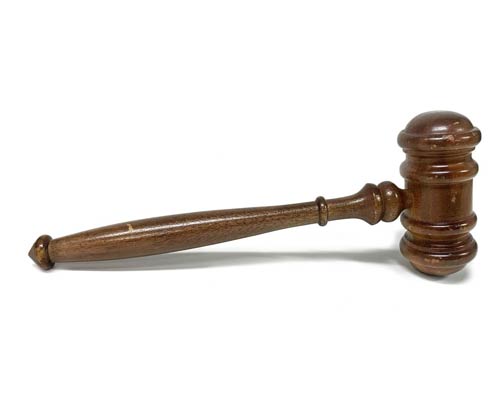
Wooden Meeting Gavel

Wooden Meeting Gavel

This wooden gavel was often used by the sisters of the Immaculate Heart of Mary Province for meetings and assemblies. Each province had a similar gavel.