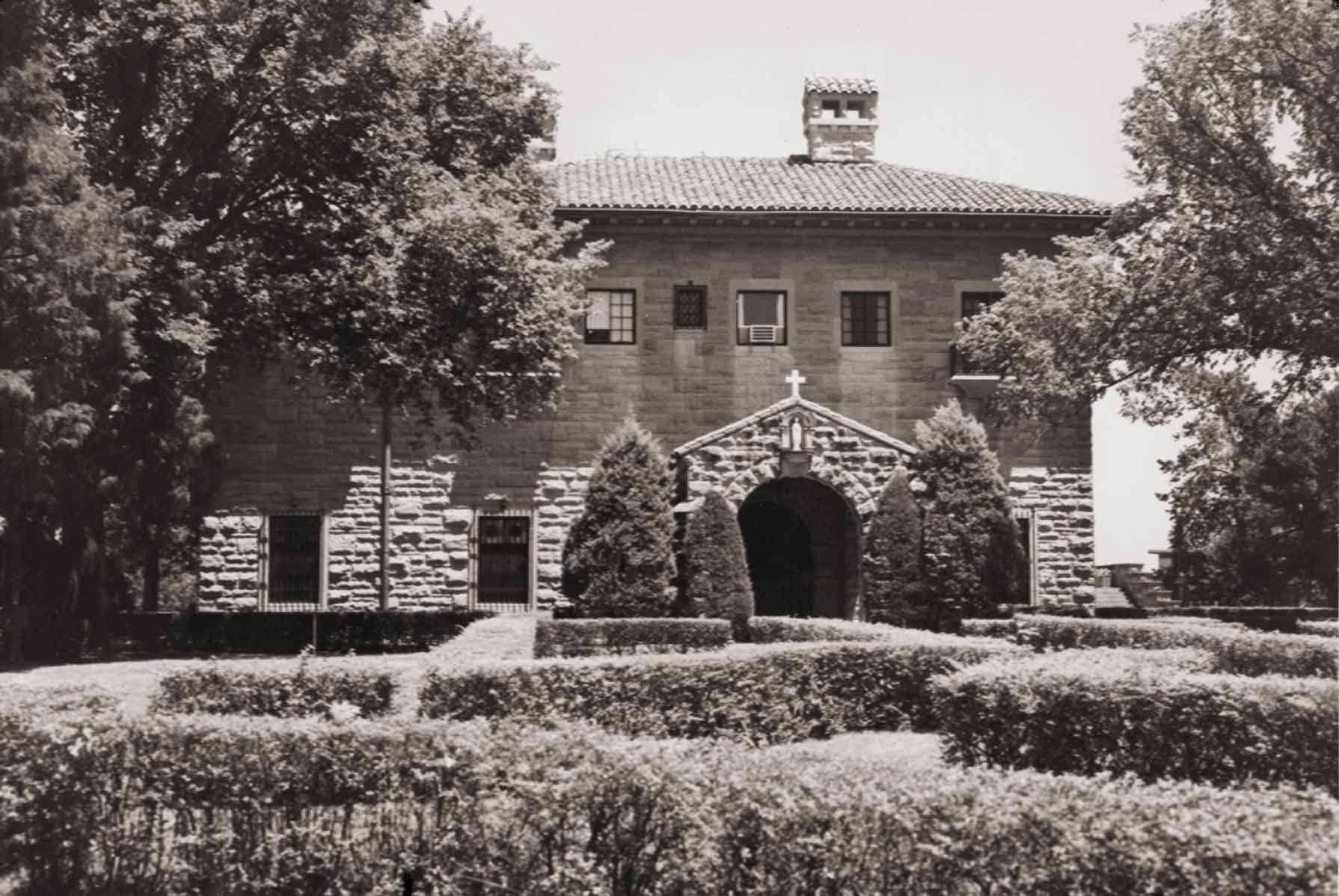
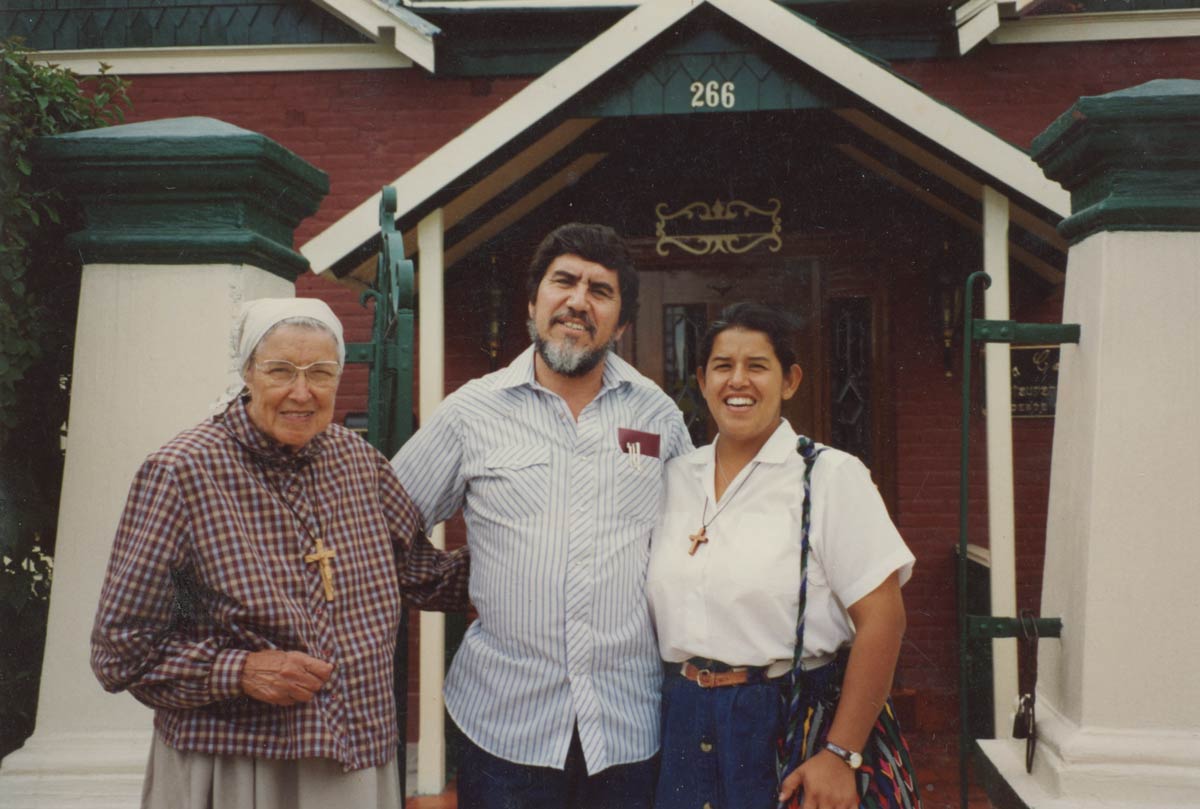
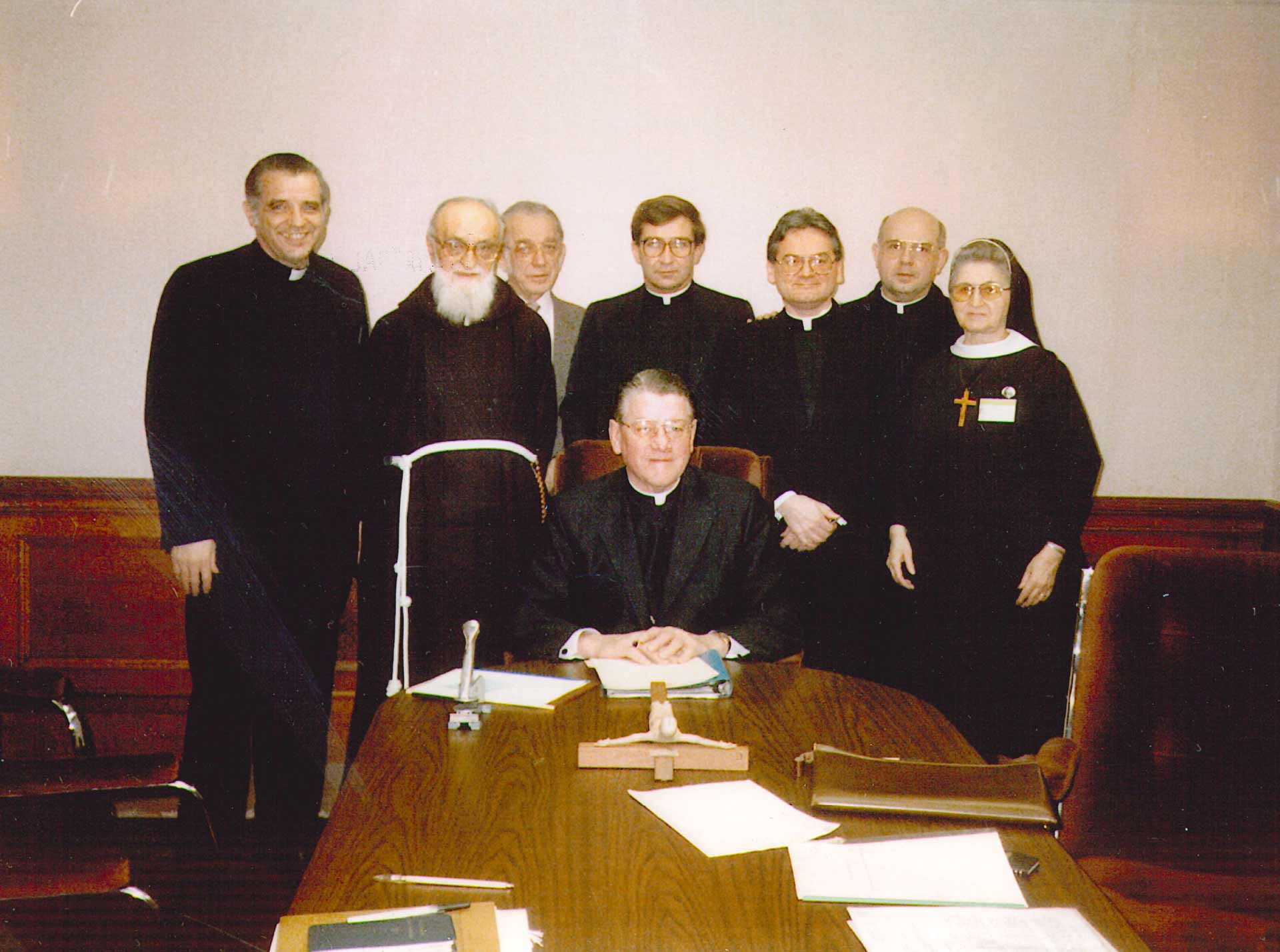
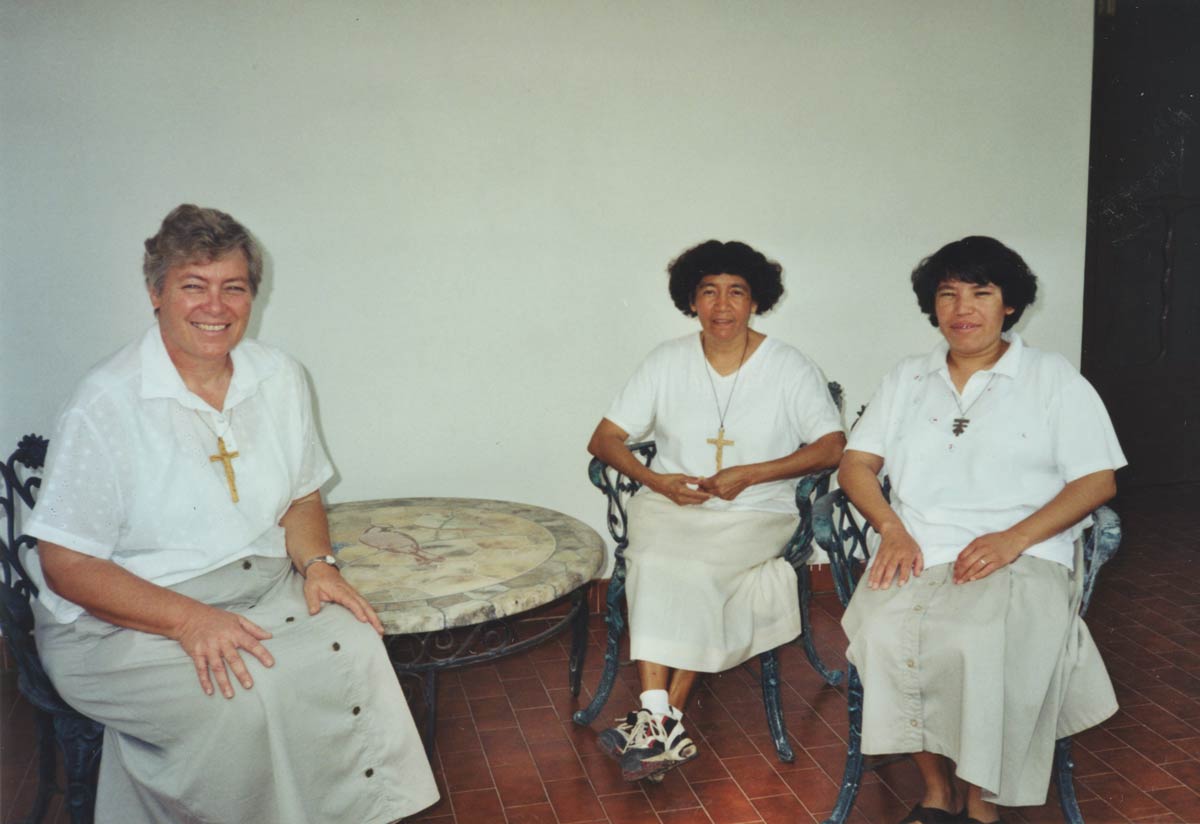
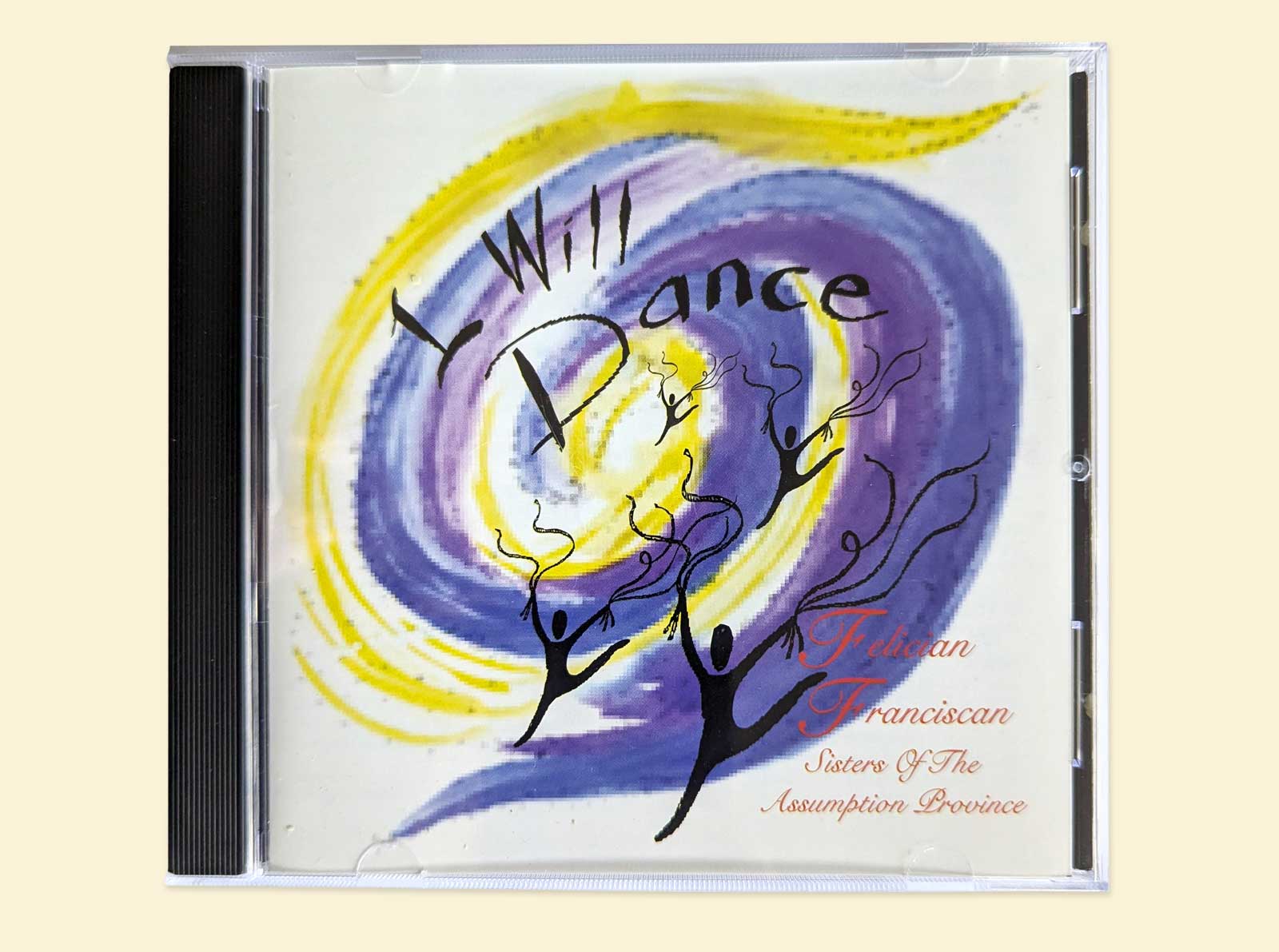
Felician Sisters entered Oklahoma in 1946 to administer a hospital, and later a school in Blackwell. When Superior General Mother Mary Simplicita Nehring visited a year later, she toured the nearby Marland Estate in Ponca City, just as Carmelite monks were preparing to sell it. American-born Mother Simplicita had recently been expelled from Poland, where the Felician generalate convent was decimated during the war, and the country fell under communist rule. Taken by the serenity of the estate, Mother Simplicita purchased it and relocated the generalate to Oklahoma temporarily, as she awaited approval for its permanent relocation to Rome.
When the opening of the Rome generalate was announced at an Extraordinary General Chapter on May 18, 1953, at the same gathering, Assumption of the Blessed Virgin Mary was established as a province.
Under its first provincial superior, Mother Mary Hermana Romanowska, the newly formed province oversaw all territory west of the Mississippi River. It was formed from a division of the Chicago province, with the transfer of 120 sisters,18 schools, four hospitals, and one nursery across seven states.
In its first decade, 42 women entered the Congregation, and the province received 260 petitions from across its territory, more than the sisters could accept. A government air base and the rise of the city of Tulsa as an oil producer increased the population in Oklahoma, leading to the establishment of 13 Catholic schools to educate 5,000 students in the early 1950s.
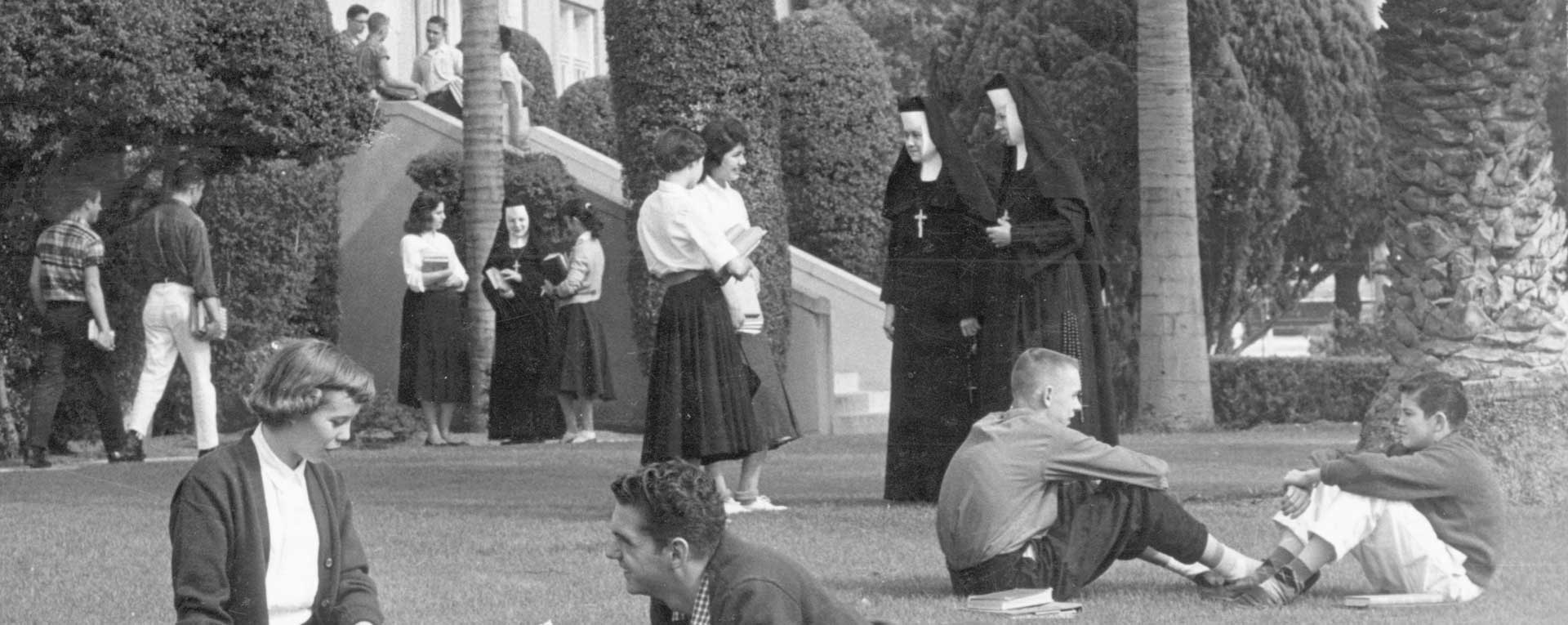
A population boom brought six million people into California between 1950 and 1960, just as the Felician Sisters accepted administration of an elementary and high school in Pomona, California. The schools became highly successful and grew to serve 11 neighboring communities.
The sisters persisted through significant struggles. In 1959, they became embroiled in a conflict over private and public-school education in a small Texas town that arose over parochial school students riding public school buses. Litigation went on for years, and while the sisters tried to appease the plaintiffs and were prevailing in court, the case was eventually dropped.
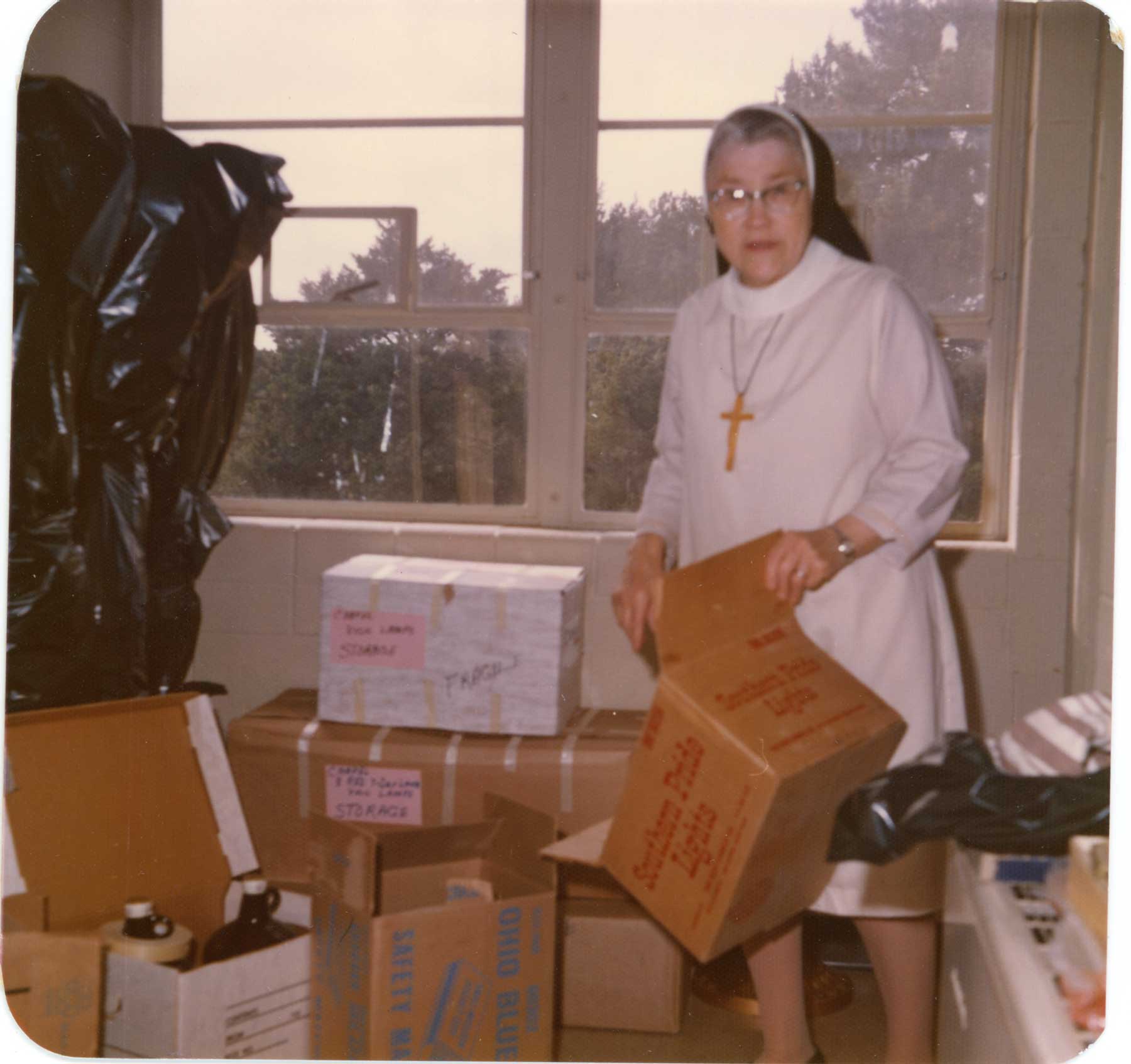
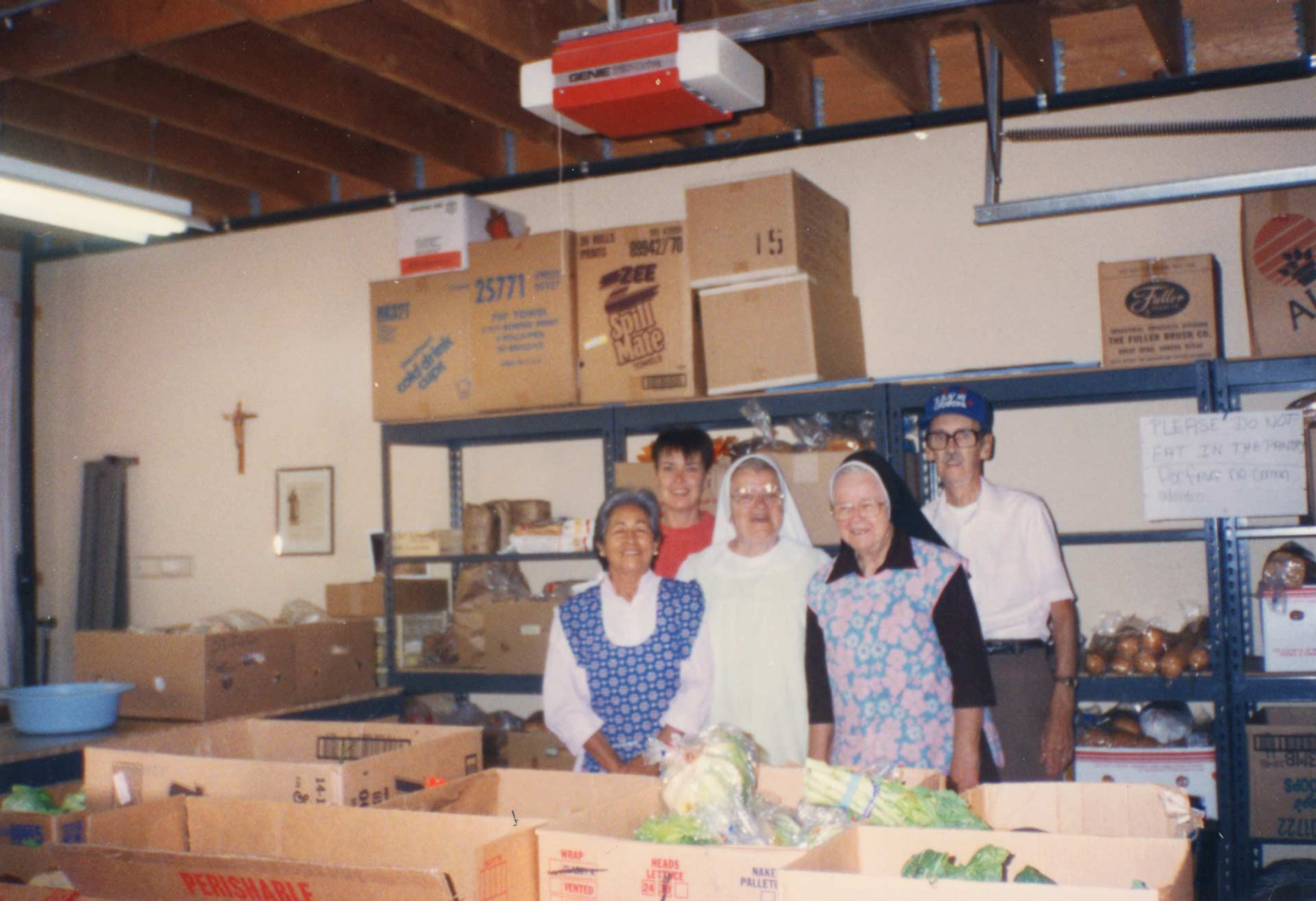
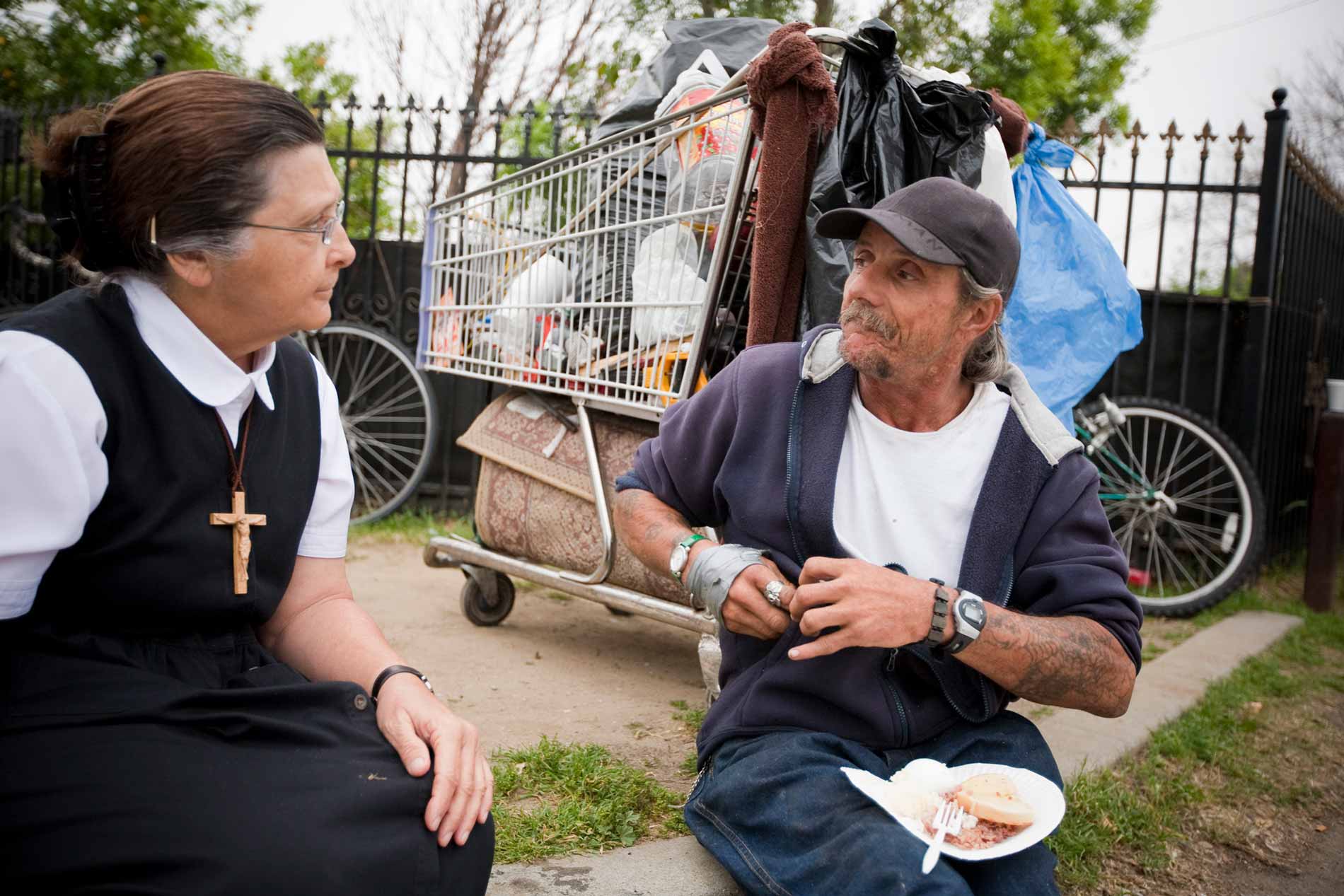
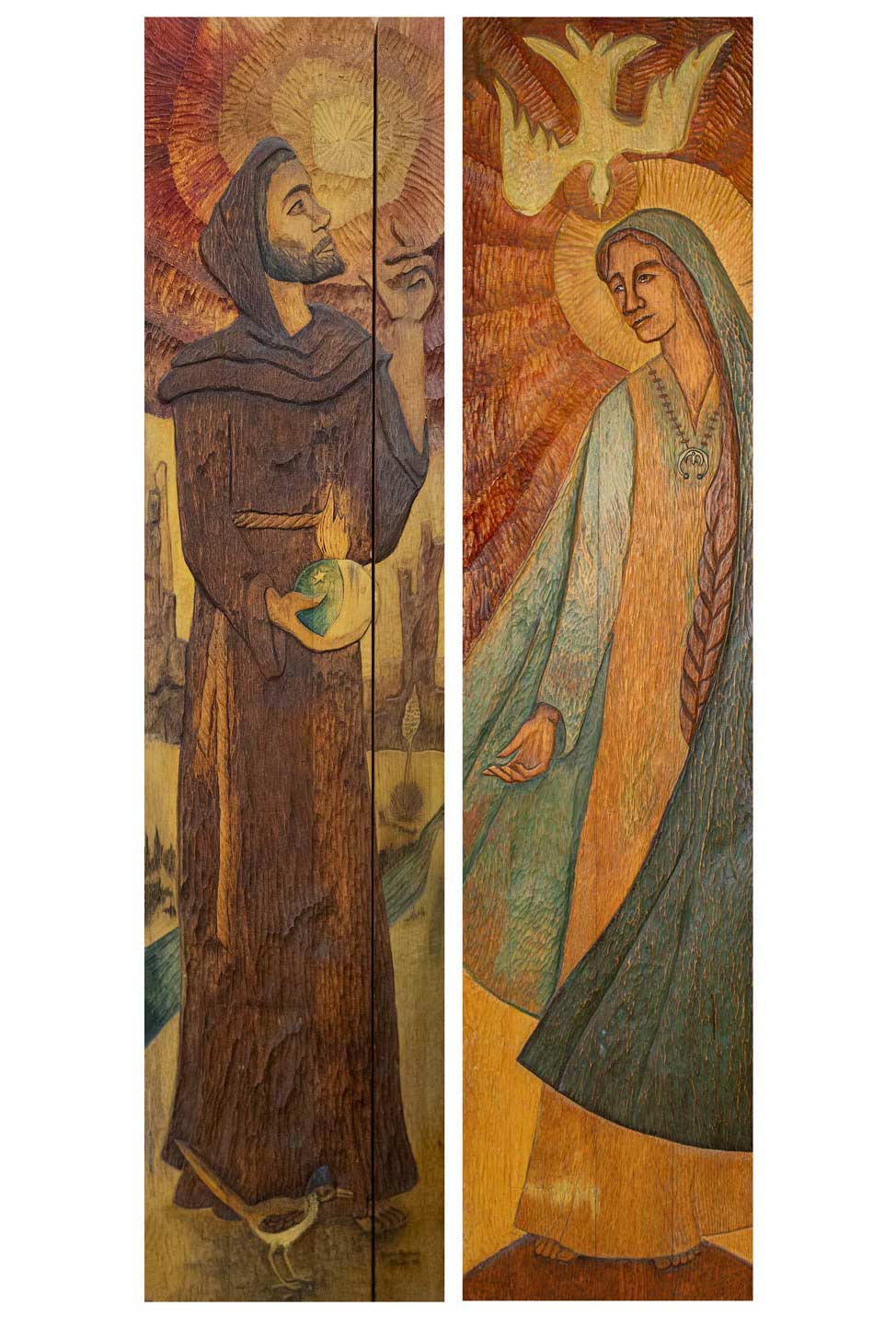
By 1975, to establish a more central location to their western ministries, the sisters sold the Ponca City estate and relocated their provincial house to a 10-acre property in Rio Rancho, New Mexico. There, they constructed a one-story, Adobe-style convent with views of the Sandia Mountains that included a greenhouse and chapel doors with hand-carved panels created by a sister. In Rio Rancho, a significant food desert, the sisters established a food pantry that feeds thousands each week. In 2019, as their numbers decreased, the sisters donated their provincial property to Catholic Charities and moved into a small convent in Rio Rancho.
History Books of This Province
Check with the archives for availability.
Felician Sisters in the West: The Origins and History of the Assumption of the Blessed Virgin Mary Province, 1874-1964
By Sister Mary Theophane Kalinowski
Felician Franciscan Sisters in the Southwest: A History of the Felician Sisters of the Assumption of the Blessed Virgin Mary Province, 1963-2009
By Sally K. Severino, MD, Felician Associate, with Sister Mary Claire Kehl